 By Margaret Holloway · Published · 1135 words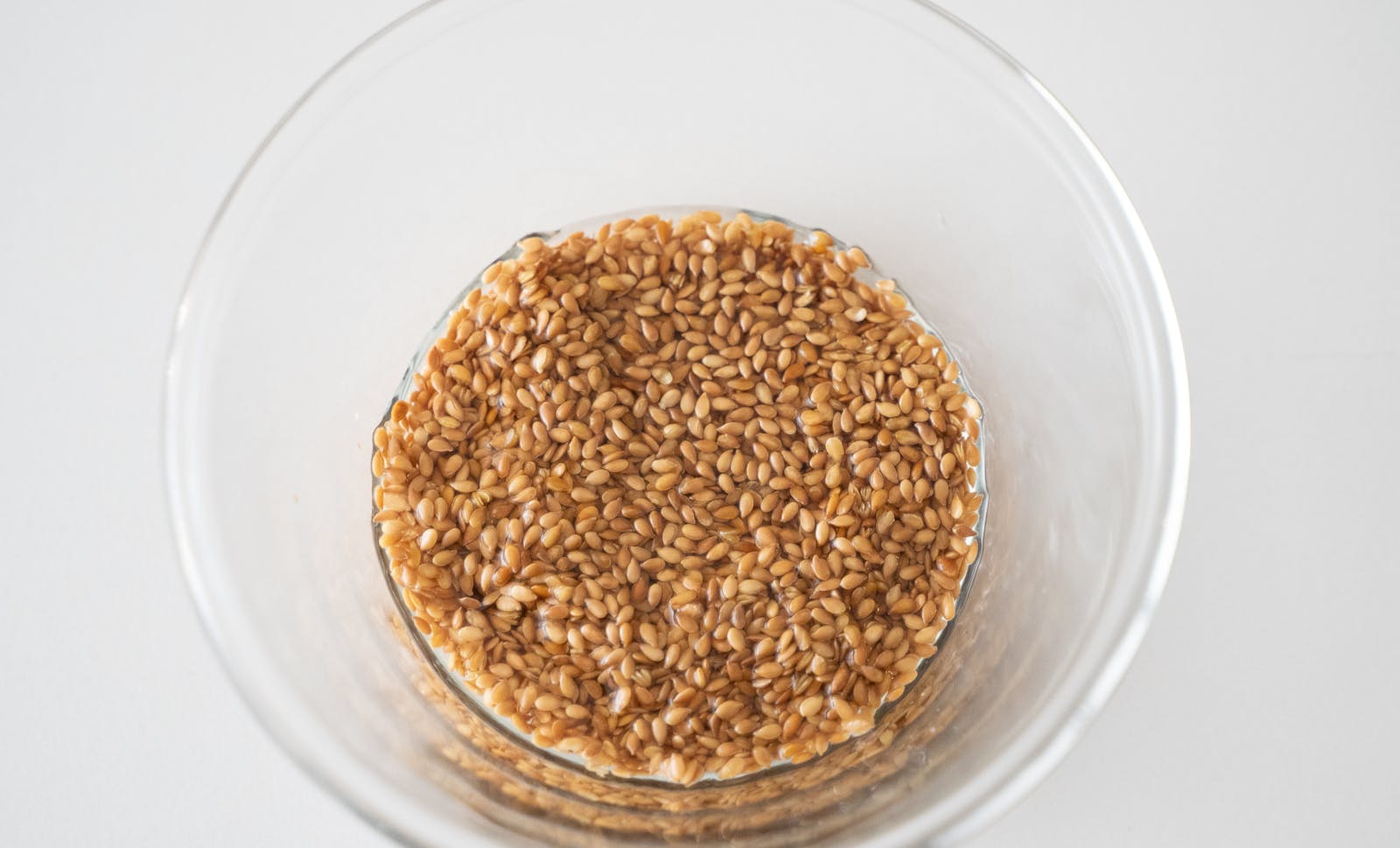
Einkorn is the oldest cultivated wheat, domesticated around 7,500 BCE in what’s now southeastern Türkiye. It cooks differently from modern wheat berries: faster, fluffier, and with a nutty flavor that’s closer to wild rice than the dense chew of hard red wheat. If you’ve never cooked it before, here’s the short version, then the longer one.
Quick answer: Cook einkorn wheat berries by rinsing 1 cup, then simmering them covered in 2.5 cups salted water or broth for 30 to 35 minutes, draining any excess, and resting 5 minutes. Einkorn absorbs less water than modern wheat, so a 2.5:1 ratio gives tender, separate berries; use more water for porridge. They cook faster and fluffier than modern wheat berries, with a nutty, hazelnut flavour. Einkorn is a wheat, so it contains gluten.
The 60-second version
- 1 cup (190 g) einkorn wheat berries, rinsed
- 2 1/2 cups (600 ml) water or broth
- 1 tsp (6 g) fine salt
- Rinse 1 cup of einkorn berries.
- Bring 2.5 cups of water (or broth) to a boil with 1 teaspoon of fine salt.
- Add the einkorn, drop heat to a simmer, cover, and cook for 30–35 minutes.
- Drain any extra water and let the berries rest, covered, for 5 minutes.
That’s it. You’ll get about 2.5 cups of cooked einkorn, enough for four side servings or two grain bowls.
The longer version (and why each step matters)
Rinse the berries first
Whole einkorn berries arrive with a fine starchy dust from the milling and sorting process. A quick rinse under cold water in a fine-mesh strainer (about 30 seconds) keeps the cooked grain from clumping. Some people skip this step. Don’t. The texture difference is real.
Use the right water ratio
Einkorn absorbs less water than modern wheat. The sweet spot is 2.5:1 water-to-grain by volume. If you go higher (3:1 or more), you’ll get something closer to porridge. If you go lower (2:1), you’ll get firm, separate berries, good for salads. If you’re not sure which texture you want, start at 2.5:1 and adjust next time.
Pro tip: swap half the water for chicken stock or a low-sodium vegetable broth. The flavor goes up by an order of magnitude with no extra work.
Salt the water early
A flat teaspoon of fine salt per cup of dry einkorn, added to the cooking water before the grain goes in. Salting after cooking never penetrates evenly and the grain tastes flat.
Don’t peek for the first 25 minutes
Lift the lid and you lose steam, drop the temperature, and end up with unevenly cooked berries. After 25 minutes you can check. If there’s still standing water and the berries aren’t quite tender, give it another 5–10 minutes covered. If the water’s gone but the berries are still firm, add a splash of hot water and keep going.
Rest before serving
Once the berries are tender, drain off any excess water and let them sit covered for 5 minutes off the heat. This is the same trick that works for rice: moisture redistributes and the grain firms up just enough to hold its shape.
What does cooked einkorn taste like?
Nutty, slightly sweet, with a chew that’s softer than farro and chewier than couscous. The flavor is more like toasted hazelnut than the wheaty bread-flavor people expect, and it plays well with a wide range of savory and sweet partners.
- Roasted root vegetables and a sharp vinaigrette
- Mushrooms and butter (basically einkorn risotto)
- Citrus + olive oil + herbs as a cold grain salad
- Honey and milk for a porridge-style breakfast
- Folded into a loaf: cooked berries are the whole point of wheat berry bread, which stays soft for days because of them
Common mistakes
| Mistake | What happens | Fix |
|---|---|---|
| Too much water | Gluey, porridge-like | 2.5:1 ratio max for separate berries |
| No salt in cooking water | Bland, flat | 1 tsp per cup of dry grain |
| Boiling too hard | Berries split open | Drop to a low simmer once you cover |
| Skipping the rest | Wet, soft texture | 5 min covered off heat |
| Cooking too long | Mushy | Start checking at 30 min |
How long does cooked einkorn keep?
Cooked einkorn keeps in the fridge for about 4 days in a sealed container, and freezes well for up to 3 months. Toss frozen berries straight into soups, or thaw them and warm with a splash of stock for a quick side.
What’s the difference between einkorn berries and einkorn flour?
Einkorn berries are the whole, intact grain, what you’ve just learned to cook. Einkorn flour is what happens when you mill those berries (either at home with a grain mill or pre-milled from a producer). The flour behaves differently from modern wheat flour because einkorn has lower gluten strength and a different protein makeup, which the USDA FoodData Central entries bear out. Bread tends to be denser and more flavorful, but doesn’t rise as dramatically. If you’re new to einkorn, start with the berries; the flour is a separate skill curve.
Want more on einkorn? Read the full Einkorn Wheat profile for nutrition data, history, and our recommended brands. Or browse all 18 ancient grains we cover on the home page.
Frequently asked questions
Is einkorn gluten-free?
No. Einkorn is the oldest cultivated wheat, so it contains gluten and is not safe for anyone with celiac disease. Its gluten is structurally different and lower in strength than modern wheat, which is why some people find it easier to digest, but it is still wheat.
Do you need to soak einkorn wheat berries before cooking?
No, soaking is optional. Einkorn cooks in 30 to 35 minutes without any soak, faster than modern hard wheat berries. An overnight soak shortens the simmer by about 10 minutes and softens the chew slightly, but it is never required.
Can you cook einkorn wheat berries in an Instant Pot?
Yes. Use 1 cup rinsed berries to 2 cups water with a pinch of salt, cook on high pressure for about 18 to 20 minutes, then let the pressure release naturally for 10 minutes and drain any excess. It is the most hands-off way to make a batch.
Stock up on Einkorn
See our hand-picked Einkorn, from flour to whole grain, with the brands worth buying.
Shop Einkorn →