Ancient grains are cereal grains and pseudocereals that have stayed largely unchanged through thousands of years of cultivation. While modern wheat has been bred into a handful of high-yield varieties, these heritage grains preserve the genetic, nutritional, and flavor diversity our ancestors relied on for millennia. Below, all 18 grouped by botanical family: wheats, other gluten cereals, gluten-free cereals, pseudocereals, and edible seeds.
Heritage Wheats5 ancient wheat species, all contain gluten
The ancestors of modern bread wheat. Each one is a distinct species with its own protein structure, gluten content, and baking behavior. Many people who can't tolerate modern wheat find some of these (particularly einkorn) easier to digest.
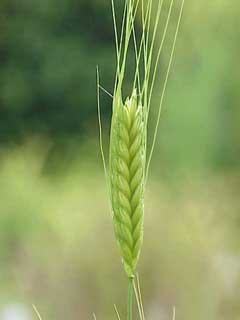
Einkorn Wheat
The first domesticated wheat species, einkorn was cultivated near the Karacadağ mountains of southeastern Turkey around 10,000 BCE during...
Read guide →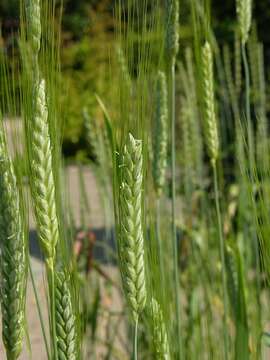
Emmer Wheat
Domesticated from wild emmer around 10,000 BCE during the Pre-Pottery Neolithic period at sites including Jericho and Tell Aswad, emmer...
Read guide →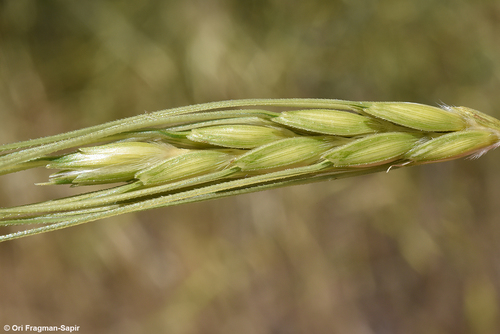
Wild Emmer
Wild emmer is the direct wild progenitor of all cultivated wheat, naturally distributed across the western Fertile Crescent from the...
Read guide →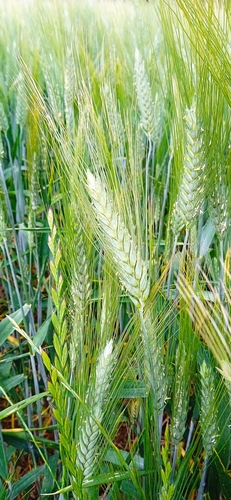
Khorasan Wheat
A subspecies of durum wheat descended from emmer domesticated in the Fertile Crescent around 8,000 BCE, Khorasan wheat takes its name from...
Read guide →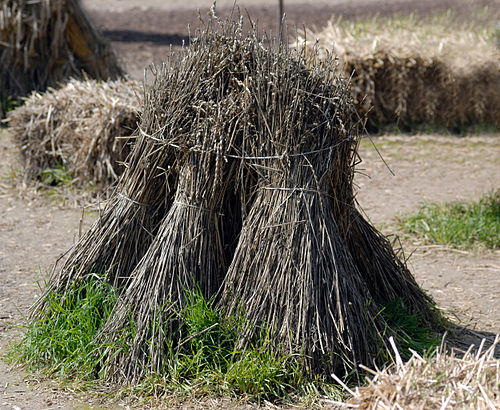
Spelt
A natural hybrid of emmer wheat and wild goat-grass first cultivated in the Fertile Crescent around 5,000 BCE, spelt initially appeared in...
Read guide →Other Glutinous Cereals3 grains in the grass family with gluten or gluten-related proteins
Not wheats, but still members of the grass family with gluten or gluten-like proteins (oat's "avenin" is a gluten relative; barley and rye contain true gluten). Brewers, bread bakers, and porridge cooks all rely on this trio.
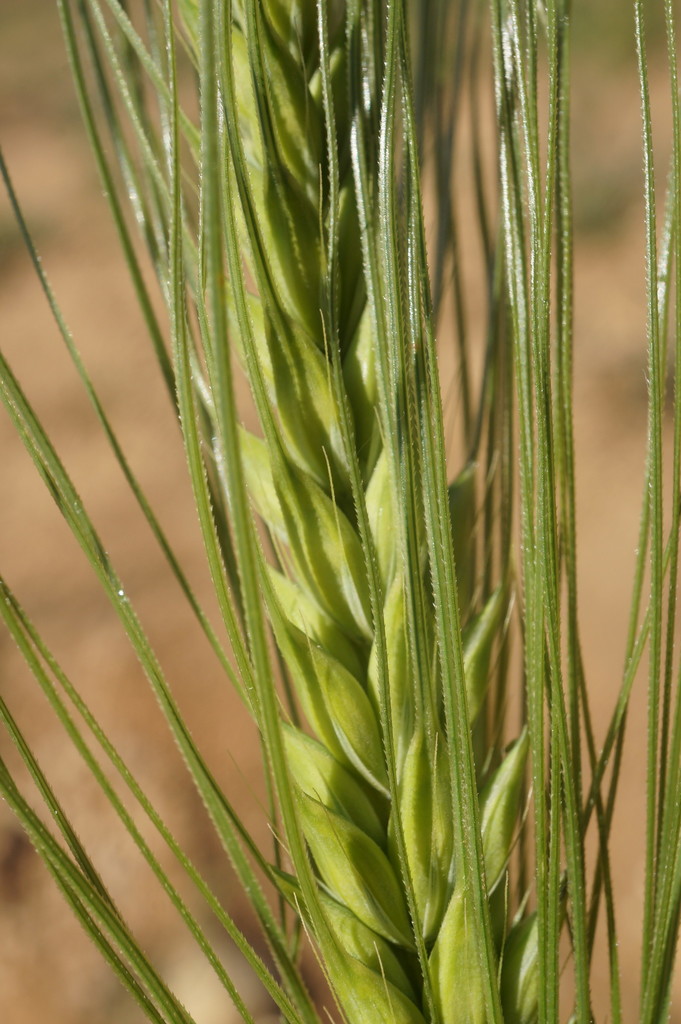
Barley
One of the first domesticated cereals, barley was cultivated in the Israel-Jordan region of the Fertile Crescent around 8,500 BCE from wild...
Read guide →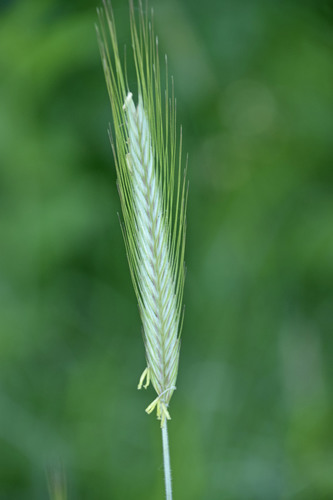
Rye
Domesticated in south-central Turkey around 6,600 BCE during the Pre-Pottery Neolithic, rye initially remained a minor crop overshadowed by...
Read guide →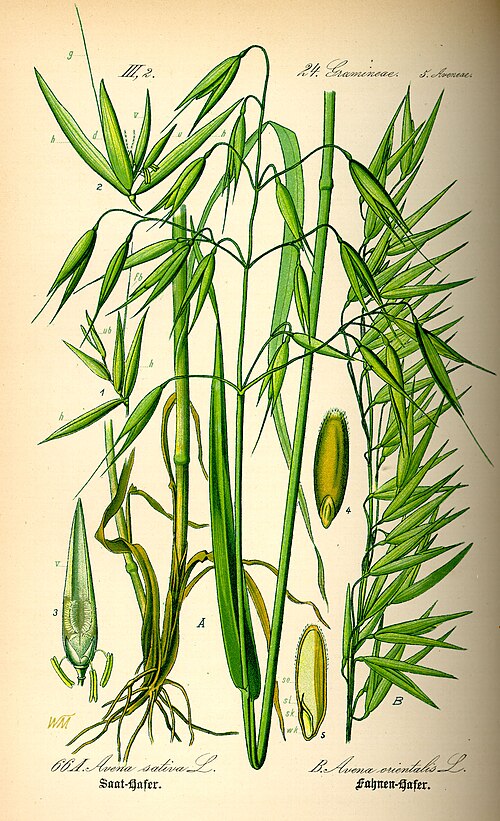
Oat
Unlike primary cereals, oats emerged as a secondary domestication around 1,000 BCE in Europe, evolving from wild oat weeds (Avena sterilis)...
Read guide →Gluten-Free Cereals4 true grasses, all gluten-free
Real grains in the botanical sense (seeds of grasses), but with no gluten at all. Staples across Africa, Asia, and the Americas long before wheat dominated global agriculture.
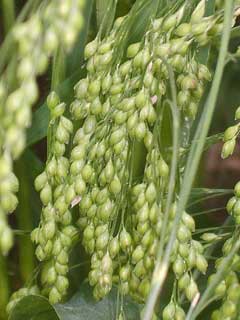
Common Millet
Archaeological evidence from the Cishan site dates common millet domestication to approximately 8,000 BCE in Northern China, making it one...
Read guide →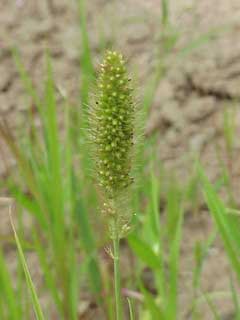
Foxtail Millet
First cultivated at the Cishan site in Northern China around 6,700 BCE, foxtail millet gradually replaced common millet as the dominant...
Read guide →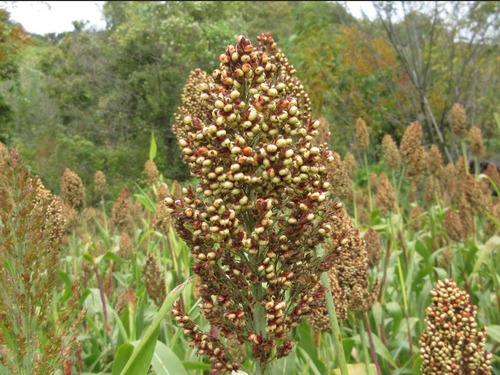
Sorghum
Domesticated by the Neolithic Butana Group culture in eastern Sudan around 3,500 BCE, as evidenced by distinctive spikelet impressions in...
Read guide →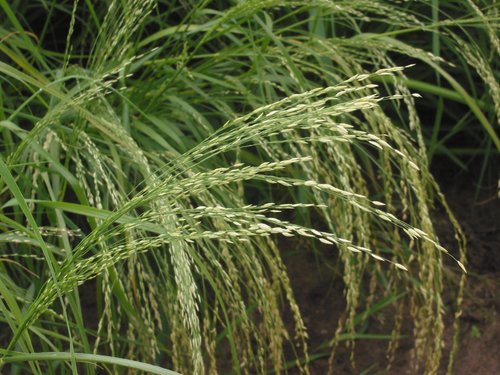
Teff
Domesticated in the Ethiopian highlands between 4,000 and 1,000 BCE, teff is one of humanity's earliest cereals and the foundation of...
Read guide →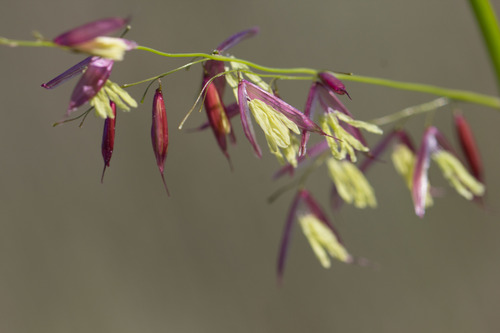
Wild Rice
Wild rice is not a true rice but the seed of an aquatic grass native to North America, where it has been gathered for thousands of years....
Read guide →Pseudocereals3 grain-like seeds from broadleaf plants, all gluten-free
Botanically not grains at all: these are seeds from broadleaf plants we cook the same way as cereal grains. Buckwheat is a rhubarb relative; quinoa belongs to the spinach family; amaranth has its own plant family. All three pack notably more protein than most true grains.
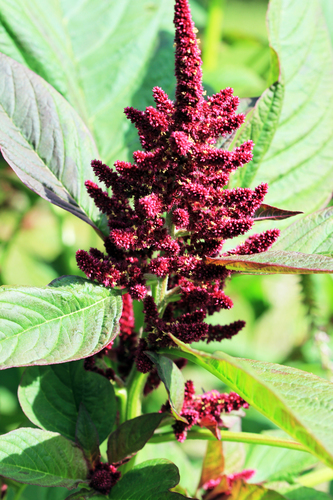
Amaranth
Domesticated in the Tehuacán Valley of Central Mexico around 4,000 BCE, amaranth became a staple of the Aztec and Maya civilizations,...
Read guide →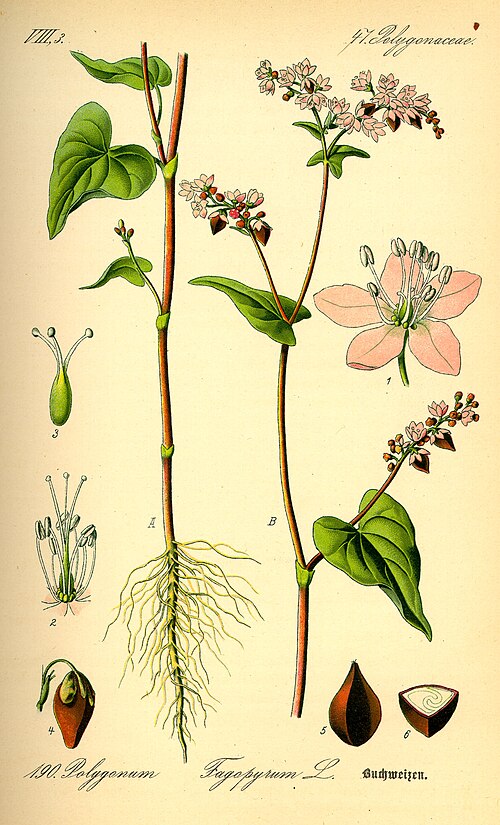
Buckwheat
First domesticated in the Yunnan and eastern Tibet regions of southwestern China around 6,000 BCE, buckwheat spread through Central Asia to...
Read guide →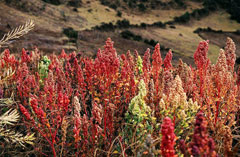
Quinoa
Domesticated in the Lake Titicaca basin of the Bolivian and Peruvian Andes around 5,000 BCE, quinoa became the most important non-tuber...
Read guide →Edible Seeds2 oily seeds frequently grouped with ancient grains, all gluten-free
High-oil seeds that get cooked, milled, and baked alongside grains, and lead the list for protein and omega-3 content. They aren't grains by any strict definition, but every ancient-grains pantry includes them.
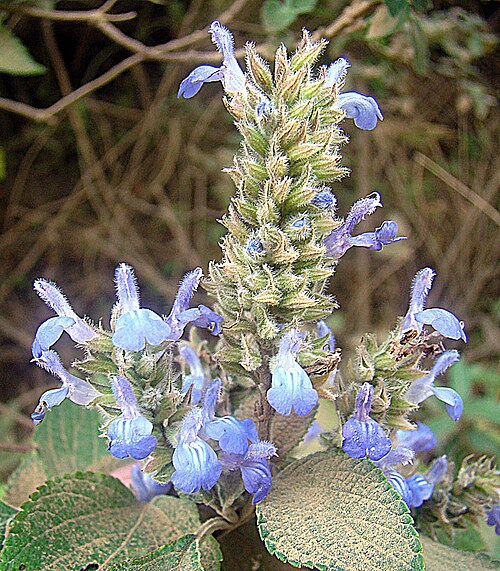
Chia
Domesticated in Mesoamerica around 3,500 BCE, chia was cultivated alongside maize, beans, and amaranth as one of the four pillars of Aztec...
Read guide →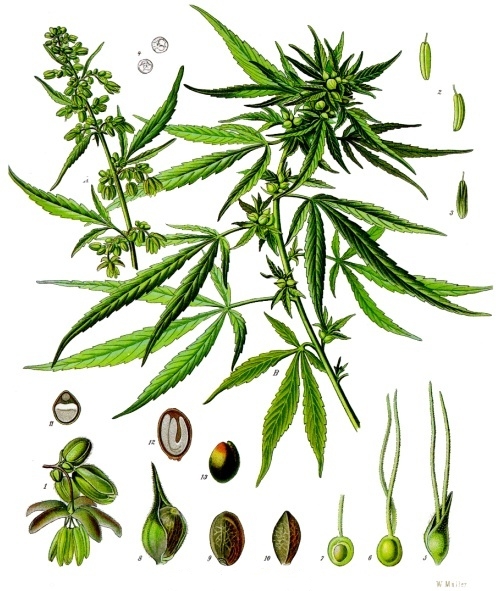
Hemp
Genomic evidence places hemp domestication at approximately 10,000 BCE in East Asia near China's Yellow River valley, where it was...
Read guide →Frequently Asked Questions
What counts as an ancient grain?
Ancient grains are cereal grains and pseudocereals that have remained largely unchanged through thousands of years of cultivation. The Whole Grains Council uses the rough cutoff of grains essentially the same as they were several hundred years ago: that includes traditional wheats (einkorn, emmer, spelt, kamut), gluten-free cereals (teff, sorghum, millet), and pseudocereals (amaranth, buckwheat, quinoa) that aren't botanically grasses at all.
How many ancient grains are there?
There's no fixed number; counts range from 8 to 30+ depending on definition. We cover 18 well-documented heritage grains, which captures every major category: ancient wheats, other glutinous cereals, gluten-free cereals, pseudocereals, and edible seeds commonly grouped with grains.
Which ancient grain is the healthiest?
There's no single winner; each grain leads in different nutrients. Hemp seeds top protein (31g per 100g). Chia and hemp lead omega-3s. Amaranth and teff have the most calcium. Quinoa is the most complete protein among the cereals. The honest answer is that variety beats any single grain: rotating between 3–4 ancient grains gives a broader nutrient profile than relying on one.
Are all ancient grains gluten-free?
No. Ancient wheats (einkorn, emmer, spelt, kamut) all contain gluten (sometimes less, or different forms, than modern wheat, but still gluten). Barley and rye also contain gluten. Truly gluten-free options include teff, sorghum, millet, amaranth, buckwheat, quinoa, chia, and hemp. Oats are gluten-free by nature but often cross-contaminated, so look for certified gluten-free oats if needed.
Are pseudocereals real grains?
Botanically, no. True grains (cereals) are seeds of grasses: wheat, rye, oat, barley, millet, sorghum, teff. Pseudocereals (amaranth, buckwheat, quinoa) are seeds of broadleaf plants that we use the same way. Buckwheat is a relative of rhubarb; quinoa is in the spinach family. They're grouped with grains in the kitchen because they cook and bake similarly, even though they evolved separately.
What's the best way to start cooking with ancient grains?
Start with one swap, not eighteen. Pick one grain that fits your habits: if you make oatmeal, try teff porridge. If you bake bread, try a 25% einkorn substitution. If you make grain bowls, swap rice for quinoa or amaranth. Master one before moving to the next; each grain has its own water ratio, cook time, and flavor curve, and trying them all at once is how people give up.