 By Owen Bradford · Published · 1591 words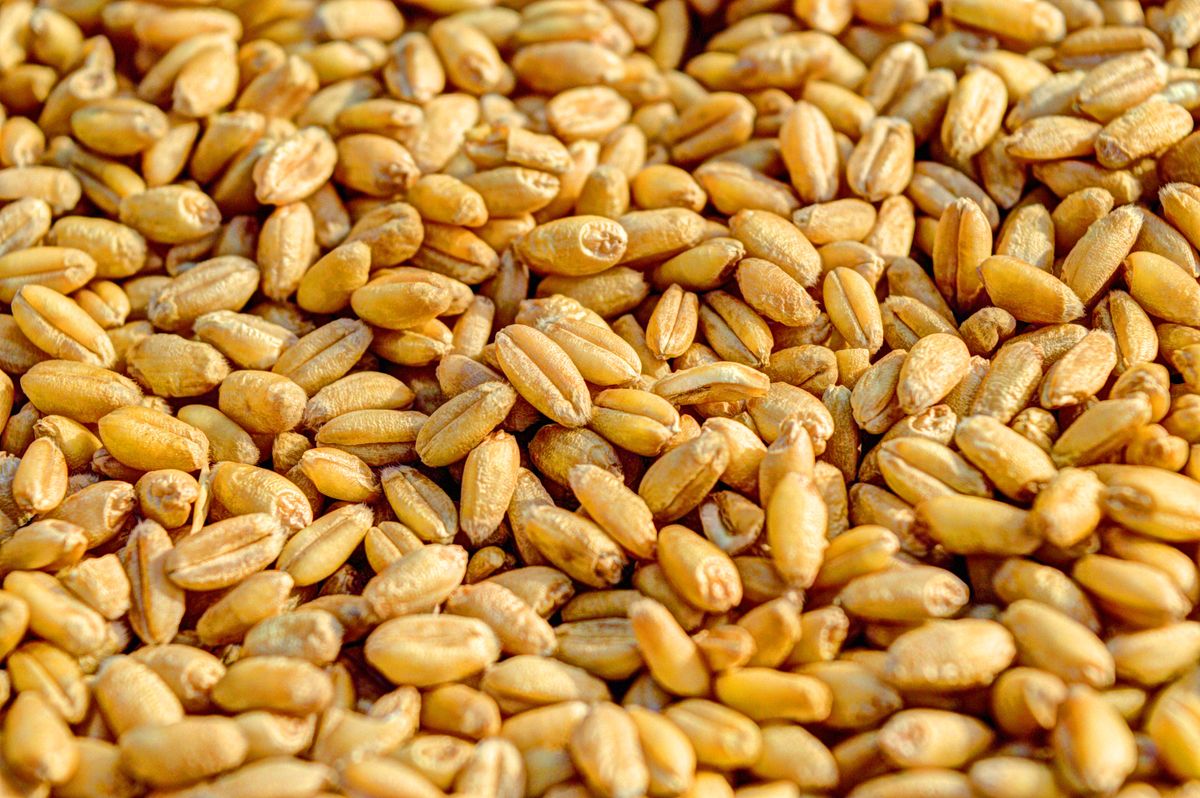
Hard white wheat berries are the whole kernels of a modern bread wheat whose bran happens to lack the reddish pigment that colors most American wheat. That one genetic difference is the whole story. It makes the berries paler, the flavor milder and a touch sweeter, and the flour they grind into a lighter-tasting whole wheat that people who “don’t like whole wheat” tend to like. I grew up around the red kind, and I still think the white kind is the better first bag for anyone who wants to start cooking or milling whole wheat.
Quick answer: Hard white wheat berries are the whole, unmilled kernels of a high-protein bread wheat with a pale bran. They cook like any wheat berry, mill into a mild whole wheat flour, and are sold in 5 lb and 25 lb bags. They are modern wheat, not an ancient grain, and they contain gluten.
What are hard white wheat berries?
A wheat berry is the entire kernel with only the inedible outer hull removed: bran, germ and starchy endosperm all still attached. “Hard” and “white” describe two separate things about the plant. Hard means the kernel is dense and high in protein, which is what gives bread its structure. White means the bran has none of the phenolic pigments that make ordinary wheat bran reddish brown. The plant itself is common bread wheat, Triticum aestivum, the same hexaploid species behind nearly every loaf in the country. If you want to know what hexaploid means and why it matters, I wrote about it in the wheat chromosomes post.
Hard white is a minority class in the United States. Most of the crop is hard red, and the white kind is grown mainly in the drier parts of Kansas, Colorado, Idaho and the Pacific Northwest. That scarcity is why you will not find it in most supermarkets and why the online 5 lb bag is usually the practical way to try it.
How do hard white wheat berries differ from hard red?
The difference is small on a nutrition label and large on the tongue. The red pigments in hard red bran carry a faint tannic bitterness that white bran does not have. Everything else about the two classes overlaps.
| Feature | Hard white | Hard red | Soft white |
|---|---|---|---|
| Bran color | Pale gold | Reddish brown | Pale gold |
| Protein | About 11 to 13% | About 11 to 14% | About 8 to 10% |
| Flavor | Mild, slightly sweet | Fuller, faintly bitter | Mild |
| Best use | Whole wheat bread, pilaf, milling | Whole wheat bread, sprouting | Pastry, cake, biscuits |
| Cooked texture | Chewy, plump | Chewy, plump | Softer |
The protein ranges are broad because they depend on the season and the field more than the class. What you can rely on is that a bag of hard white will bake a whole wheat loaf that tastes noticeably less “wheaty” than the same recipe made with hard red, at the same rise. Soft white is a different animal: low protein, meant for pastry flour, and a poor choice for bread.
What can you make with hard white wheat berries?
Three things, and a good bag of berries does all of them. You can cook them whole, sprout them, or mill them into flour. Cooked whole, they hold their shape for days and make a chewy base for grain salads, pilafs and soups. Wheat berry bread folds the cooked kernels into a soft sandwich loaf and is the recipe I would start with. Sprouted, they sweeten and soften over two or three days and go into sprouted-grain breads. Milled, they become a fresh whole wheat flour that has none of the staleness of a bag that has sat on a shelf for months.
A 5 lb bag of Palouse hard white wheat berries is the one I keep on hand. Palouse also grows the hard red version, and I keep both because they are not interchangeable in a loaf: the white bag is for the bread that has to please people who think they dislike whole wheat.
Are hard white wheat berries an ancient grain?
No, and it is worth being plain about that on a site with this name. Hard white is a class of modern bread wheat, bred and grown at commercial scale. The ancient wheats are the diploid and tetraploid species that came before it: einkorn, emmer and khorasan, plus the older hexaploid spelt. They have different gluten, different flavor and different handling, and our bread guide walks through baking with each. Hard white wheat is what you reach for when you want a reliable modern loaf with a gentler whole-grain flavor, not when you want to taste what bread was like four thousand years ago.
Where can you buy hard white wheat berries?
Online, almost always. Amazon carries Palouse Brand hard white berries in 5 lb bags, with 25 lb sacks for anyone milling regularly, and the same farm sells the hard red. Palouse is a family farm in the Washington and Idaho wheat country that tests its grain for glyphosate residue, which is the main reason I recommend it over anonymous bulk. Food co-ops and Mennonite or Amish bulk stores are the other reliable sources, and a few regional mills sell direct. Health-food chains sometimes stock hard red but rarely hard white.
Two buying notes. Organic wheat berries cost roughly half again as much as conventional, and the difference in the bag is real but modest for a grain that is cleaned and stored dry. And any bag labeled only “wheat berries” with no class named is almost certainly hard red.
How do you cook hard white wheat berries?
The same way as any whole wheat berry. Rinse a cup of berries, put them in a pot with three cups of water and a pinch of salt, bring to a boil, then simmer uncovered for 45 to 60 minutes until they are chewy but no longer crunchy. Drain and use. Soaking the berries overnight cuts the simmer to about 30 minutes and gives a plumper kernel. One cup of dry berries yields about two and a half cups cooked, and they keep in the refrigerator for five days.
If you have cooked einkorn berries or rye berries, the method is identical and the timing is close. Hard white sits between the two: firmer than einkorn, quicker than rye.
How do you store and mill wheat berries?
Whole berries keep for years in a sealed container somewhere cool and dry, which is the argument for buying berries instead of flour. Flour starts losing flavor within a day of milling and goes stale within weeks as the germ oils oxidize, while the intact kernel protects those oils until you grind it. That is the whole case for a home mill.
You do not need an expensive one to start. A hand-cranked Victoria clamp mill will crack hard white into a coarse meal for porridge and will make a rough flour with two passes. For bread flour you want an electric mill; the Kitchen Mill turns a cup of berries into fine flour in about a minute. Hard white berries mill exactly like hard red, so whatever you have read about milling wheat applies unchanged.
Where to go from here
Start with a 5 lb bag and cook a cup of berries whole before you mill any. The chew and the mild flavor tell you more about the grain than any table can. From there, wheat berry bread is the recipe to make, and if the fresh-flour idea has hooked you, the mills page lays out the five machines we would buy. For nutrition figures, USDA FoodData Central lists hard white wheat at about 342 calories, 11 grams of protein and 12 grams of fiber per 100 grams dry, which is in line with every other whole wheat, and the Whole Grains Council has a plain-language guide to the six US wheat classes if you want the agronomy.
Frequently asked questions
Are hard white wheat berries gluten-free?
No. Hard white wheat is ordinary bread wheat and contains as much gluten as hard red. Anyone avoiding gluten should look at the naturally gluten-free grains instead.
Can you eat wheat berries raw?
Not comfortably. Dry berries are rock hard and will not digest well. Cook them, sprout them, or mill them; sprouted berries are the only form eaten without cooking.
Do hard white wheat berries taste different from hard red?
Yes, and the difference is easiest to notice in bread. Hard white bakes into a loaf that is milder and faintly sweeter, without the slight bitterness that red bran carries.
How long do wheat berries last?
Years, as long as they stay dry and sealed. Flour milled from them is a different matter and is best used within a few weeks.
Get a bag of hard white wheat berries
The 5 lb Palouse bag is the one to start with. The same farm sells hard red if you want to taste the two side by side.
Shop hard white wheat berries →Mill your own flour
Whole berries keep for years; fresh flour keeps for weeks. See the five home mills we would actually buy.
See the mills →