 By Tess Coleman · Published · 1314 words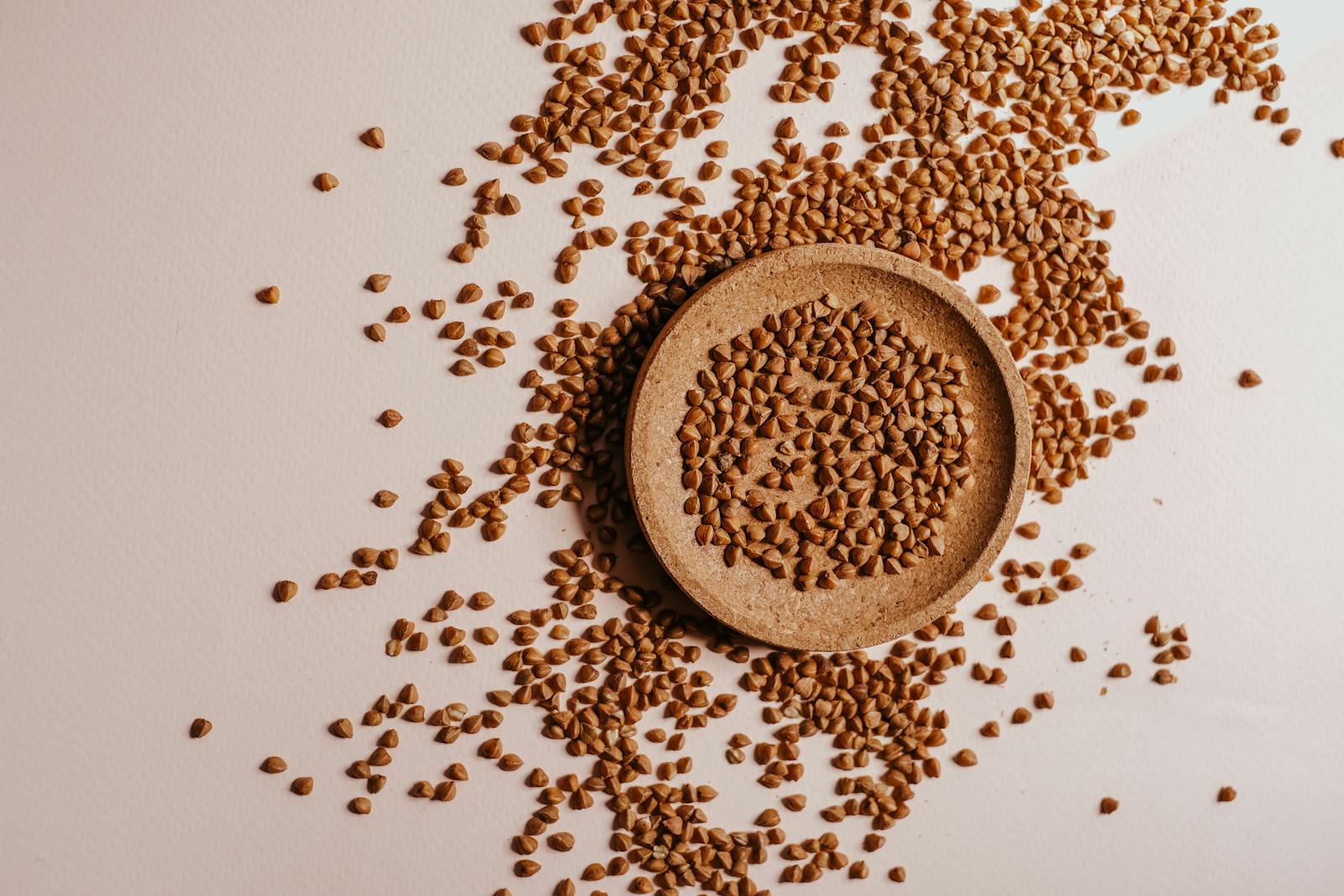
Short answer: buckwheat is gluten-free. Long answer: the name is one of the more aggressive misnomers in the modern grocery aisle, and it has been quietly mistraining shoppers with celiac disease for at least two centuries.
Buckwheat is not a wheat. Buckwheat is not a grass. Buckwheat is not, in any meaningful botanical sense, a grain. It is the seed of a flowering plant called Fagopyrum esculentum, in the Polygonaceae family, which puts its closest culinary relatives somewhere around rhubarb and sorrel. Wheat, by contrast, is Triticum, a true cereal grass. The two plants are about as related to each other as a tomato is to a pine tree.
The clean, technical answer to “is buckwheat gluten-free” is yes, naturally, and verifiably. The grocery-aisle answer is “yes, probably, but check the bag.” Here is why the gap exists.
Quick answer: Yes, buckwheat is gluten-free. Despite the name, it is not wheat, not a grass, and not a true grain at all; it is the seed of a flowering plant related to rhubarb, so it cannot make gluten. It is naturally celiac-safe, with one caveat: buckwheat is often milled or stored alongside wheat, so buy a certified gluten-free product, and check soba noodles, which are usually cut with wheat flour.
Why is it called buckwheat if it isn’t wheat?
The name comes from the Middle Dutch boecweite and the German Buchweizen, both of which translate roughly to “beech-wheat.” The buckwheat seed is a small three-sided pyramid that vaguely resembles a tiny beech-tree nut. European farmers from the 14th century onward used the plant to make flour and porridge, and the name stuck because the seed acted like wheat in a kitchen, not because the plant was related to wheat in any taxonomic way.
This is the kind of historical labeling accident that becomes a public-health issue once celiac disease enters the conversation, around the 1950s. Suddenly a name describing seed shape was telling people whether they could eat the food. The botany did not change. The danger of the name did.
So what is buckwheat, exactly?
It is a pseudocereal, the same category as quinoa and amaranth. Pseudocereals are seeds of non-grass plants that we cook and eat as though they were grains. Buckwheat behaves like a grain in your kitchen, your stomach, and your blender. The plant that produced it does not.
The seed has a hard outer hull, removed in processing. What is left are buckwheat groats: the triangular tan kernels in the picture above. Roasted, they are called kasha. Ground, they become buckwheat flour. The whole-grain page for the species is our buckwheat grain page.
| Attribute | Buckwheat | Wheat |
|---|---|---|
| Botanical family | Polygonaceae | Poaceae (grasses) |
| Genus and species | Fagopyrum esculentum | Triticum spp. |
| Has gluten? | No | Yes |
| Closest culinary relative | Rhubarb, sorrel | Barley, rye |
| Form sold as | Groats, flour, kasha, soba | Berries, flour, semolina, bulgur |
Does buckwheat have gluten?
No. Buckwheat contains no gluten of any kind: not gliadin, not glutenin, not the avenin found in oats, not the secalins in rye. Multiple peer-reviewed reviews of pseudocereals confirm this, including a 2017 review in Foods and the Celiac Disease Foundation’s grain reference. Buckwheat is one of the standard gluten-free grain substitutes recommended by celiac nutrition guidance.
This is structurally true, not just functionally true. There is no plant biochemistry by which buckwheat could contain wheat-style gluten proteins. The species cannot make them.
Can someone with celiac disease safely eat buckwheat?
Mostly, but with one caveat that the food industry does not love to advertise: cross-contamination. Many commercial buckwheat products are processed on shared equipment with wheat, oats, or other gluten-containing grains. A 2010 study in the Journal of the American Dietetic Association tested 22 supposedly gluten-free grains and flours sold in the US and found that 32% of them contained gluten levels above 20 parts per million (the FDA limit for gluten-free labeling). Buckwheat was among the products that occasionally exceeded the threshold.
This is a sourcing problem, not a botany problem. Buckwheat itself is fine. Buckwheat flour milled in a facility that also grinds wheat is not.
Practical rules for celiac-safe buckwheat:
- Look for a certified gluten-free label (GFCO, NSF Gluten-Free, or the Celiac Support Association certification). These require third-party testing, usually to 10 ppm or stricter.
- Prefer brands that name their dedicated facility. Bob’s Red Mill, for example, sells both a regular buckwheat and a “gluten-free” buckwheat from a dedicated GF mill; the latter costs more for good reason.
- Be skeptical of bulk bins. Even if the bin contains genuine buckwheat, the scoop, the bin itself, or a previous customer’s hand could have introduced gluten contact.
- Check soba noodles especially carefully. Traditional Japanese soba contains 80-100% buckwheat flour, but most commercial soba in American supermarkets is cut with regular wheat flour to improve elasticity. Read the ingredient list every time.
Why does this matter beyond celiac safety?
Even if you do not have celiac disease, the name confusion has practical consequences. Buckwheat is one of the highest-protein non-grass seeds available (about 13 grams per 100 grams cooked), a complete protein with all nine essential amino acids, and a meaningful source of rutin, a flavonoid linked to capillary health. The branding accident of “buckwheat” makes people assume it is a less-fashionable substitute for wheat. It is not a substitute. It is a different food entirely, with a different nutritional profile, and frankly it is the more interesting one.
It also makes a darker, nuttier flour than wheat, which is why classic gluten-free baking blends almost always include some buckwheat. The gluten-free sourdough method uses it as one of the supporting flours in a 50/30/20 blend with brown rice and tapioca.
What about kasha, soba, and buckwheat pillows?
All three are buckwheat, but only one, soba noodles, is a common gluten trap.
- Kasha is roasted buckwheat groats. Still gluten-free, but the roasting concentrates flavor and changes the cooking time. Standard Eastern European porridge.
- Soba is Japanese buckwheat noodles. Not always gluten-free, despite the name. If the package does not specifically say juwari soba (100% buckwheat) or carry a certified GF label, assume there is wheat in it.
- Buckwheat pillows and hulls are filled with the discarded outer husks. The hulls themselves are gluten-free, but they are not a food item, and breathing in the dust from a damaged pillow is not the same thing as eating buckwheat. This is a side note rather than a warning.
For more on how buckwheat fits into the wider pseudocereal family, see our how to cook amaranth grain guide for the closely-related cooking method.
The bottom line: buckwheat is gluten-free. The botany is not ambiguous. The labeling, sometimes, is. Read the bag, prefer certified products, and ignore the name on the front.
Frequently asked questions
Is buckwheat flour gluten-free?
The flour itself contains no gluten, but it is frequently milled in facilities that also grind wheat, so an uncertified bag can pick up trace gluten. For celiac safety, buy buckwheat flour with a certified gluten-free seal.
Are soba noodles gluten-free?
Usually not. Most commercial soba is cut with wheat flour for elasticity, so it contains gluten despite being called buckwheat noodles. Only juwari soba (100 percent buckwheat) or a certified gluten-free product is safe.
Is buckwheat related to wheat?
No. The name is misleading: buckwheat is the seed of a flowering plant in the rhubarb family, while wheat is a true cereal grass. They are botanically unrelated, which is exactly why buckwheat has no gluten.
Stock up on Buckwheat
See our hand-picked Buckwheat, from flour to whole grain, with the brands worth buying.
Shop Buckwheat →