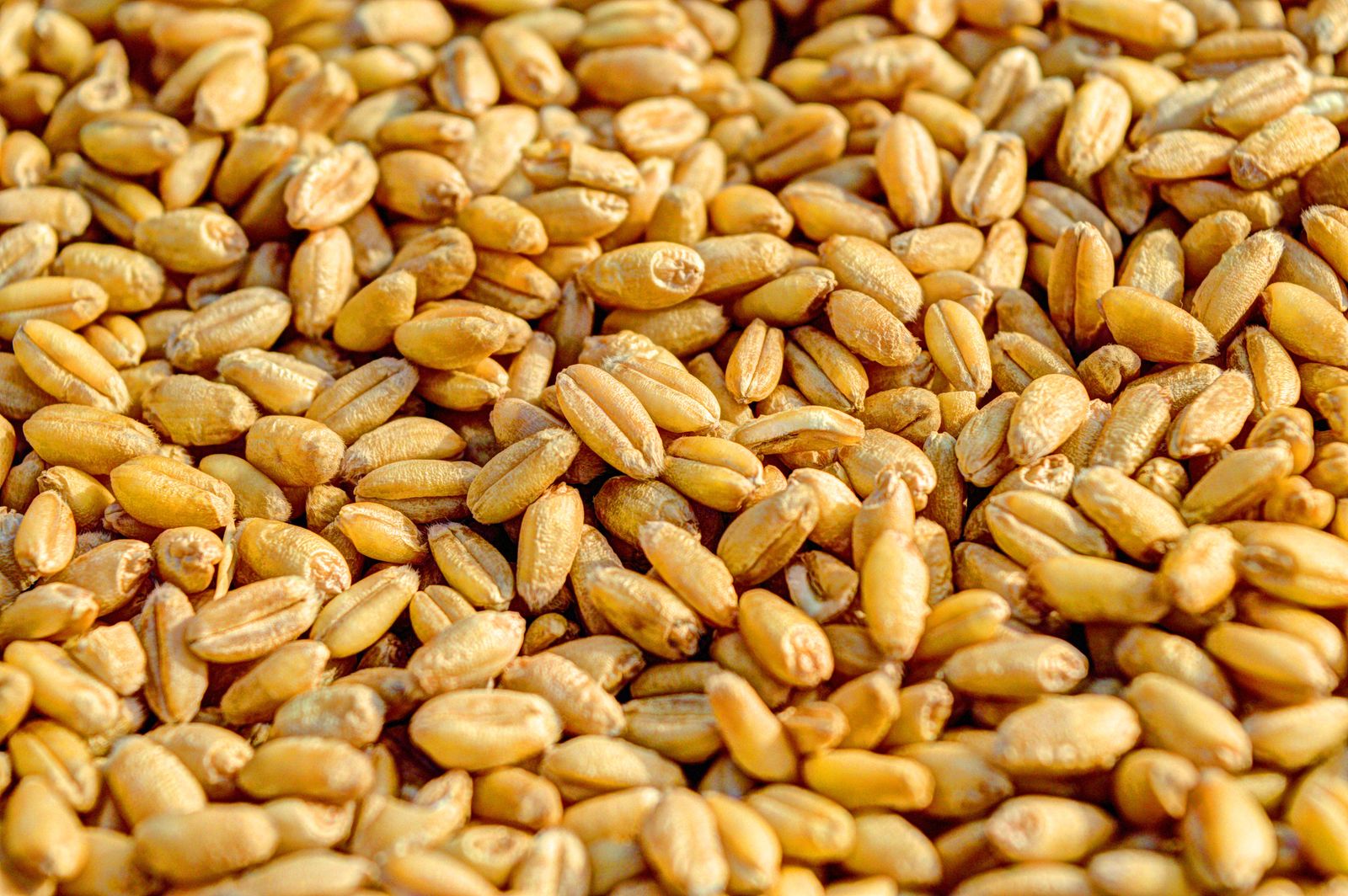
Let me give you the answer up front, because this one matters for your health: no, farro is not gluten-free. Farro is a type of ancient wheat, which means it naturally contains gluten and is not safe for anyone with celiac disease. I know the health-food-store framing makes it feel like it should be different, so let me explain exactly what farro is and, just as importantly, what you can eat instead.
Quick answer: No, farro is not gluten-free. "Farro" is an Italian name for three ancient wheats, emmer, einkorn, and spelt, so it contains gluten and is unsafe for celiac disease or a wheat allergy. Some people digest ancient wheats more comfortably, but that is about texture and FODMAPs, not the absence of gluten. For the same chewy bite without gluten, use quinoa, sorghum, or buckwheat groats.
Is farro gluten-free?
No. Farro is wheat, plain and simple. The word “farro” is an Italian umbrella term for three related ancient wheats: emmer (the most common), einkorn, and spelt. All three are true members of the wheat family, and all of them contain gluten. Being older or less processed than modern wheat does not remove the gluten. If a food is made from any wheat, it has gluten.
Can celiacs eat farro?
Absolutely not, and I want to be direct about this because farro’s “ancient grain” health halo causes real confusion. For someone with celiac disease, the gluten in farro triggers the same autoimmune damage to the small intestine as bread, pasta, or any other wheat. The Celiac Disease Foundation lists all wheat species, including emmer, einkorn, and spelt, as off-limits. There is no safe amount of farro on a celiac diet.
The same caution applies if you have a diagnosed wheat allergy: farro contains the wheat proteins that set off that reaction.
Why do people think farro might be gluten-free?
A few things feed the myth, and none of them actually change the biology. Three in particular are worth untangling.
- The “ancient grain” glow. Farro is marketed alongside genuinely gluten-free grains like quinoa and millet, so it gets lumped in by association.
- It is easier to digest for some. Ancient wheats have a simpler gluten structure than modern high-yield wheat, and some people without celiac report less bloating. That is about comfort, not gluten content.
- “Wheat-free” confusion. Farro is not wheat-free either. It is wheat.
None of these change the biology. Farro has gluten.
Is farro lower in gluten than regular wheat?
This is the nuanced part, so let me be careful not to overstate it. Einkorn, the oldest of the farro wheats, has a different gluten makeup than modern bread wheat, and small studies indexed at the National Library of Medicine suggest its gluten may behave differently in digestion. But “different” is not “safe.” The total gluten content is still high, and researchers are clear that ancient wheats are not suitable for celiac disease. If you are simply chasing easier digestion and do not have celiac or a wheat allergy, that is a conversation to have with your own body, and ideally your doctor.
What can I eat instead of farro?
Here is the good news: if you need the chewy, nutty texture farro brings to salads and bowls, several naturally gluten-free grains do the job beautifully.
| Craving | Gluten-free swap |
|---|---|
| Chewy grain salad | Quinoa, sorghum, or buckwheat groats |
| Hearty soup base | Brown or wild rice, millet |
| Nutty side dish | Teff, amaranth, or quinoa |
Our guide to gluten-free grains walks through the full list, and any of them can stand in for farro in a recipe. Always check the package for a certified gluten-free label, since cross-contamination during processing is the usual hidden risk.
What if I don’t have celiac disease?
Then farro is a genuinely nutritious whole grain worth enjoying. It is high in fiber and protein, holds its texture wonderfully, and has the deep, nutty flavor that makes ancient wheats special. If gluten is not a medical concern for you, our guide on how to cook farro will get you started, and its cousin spelt is worth a look too. For a good starting bag, we point to a reliable organic farro on the emmer page.
Just remember the bottom line: farro is delicious, farro is ancient, and farro is wheat. If you are avoiding gluten for medical reasons, this is one to skip.
Frequently asked questions
Is pearled farro gluten-free?
No. Pearling removes some of the outer bran to speed up cooking, but gluten lives in the starchy endosperm, which stays intact. Pearled, semi-pearled, and whole farro all contain the same gluten.
Is farro the same as spelt or barley?
Farro is an umbrella term for the wheats emmer, einkorn, and spelt, so spelt is actually one kind of farro. Barley is a different grain entirely, but it also contains gluten, so none of them are celiac-safe.
Can people with gluten sensitivity eat farro?
Some people with non-celiac gluten sensitivity tolerate ancient wheats better, often because their trigger is FODMAPs rather than gluten. Farro still contains gluten, though, so introduce it cautiously and stop if it causes symptoms.
Explore emmer and farro
See our pick of farro (emmer) whole grain and flour, with the brands worth buying and how to cook it.
Shop farro →