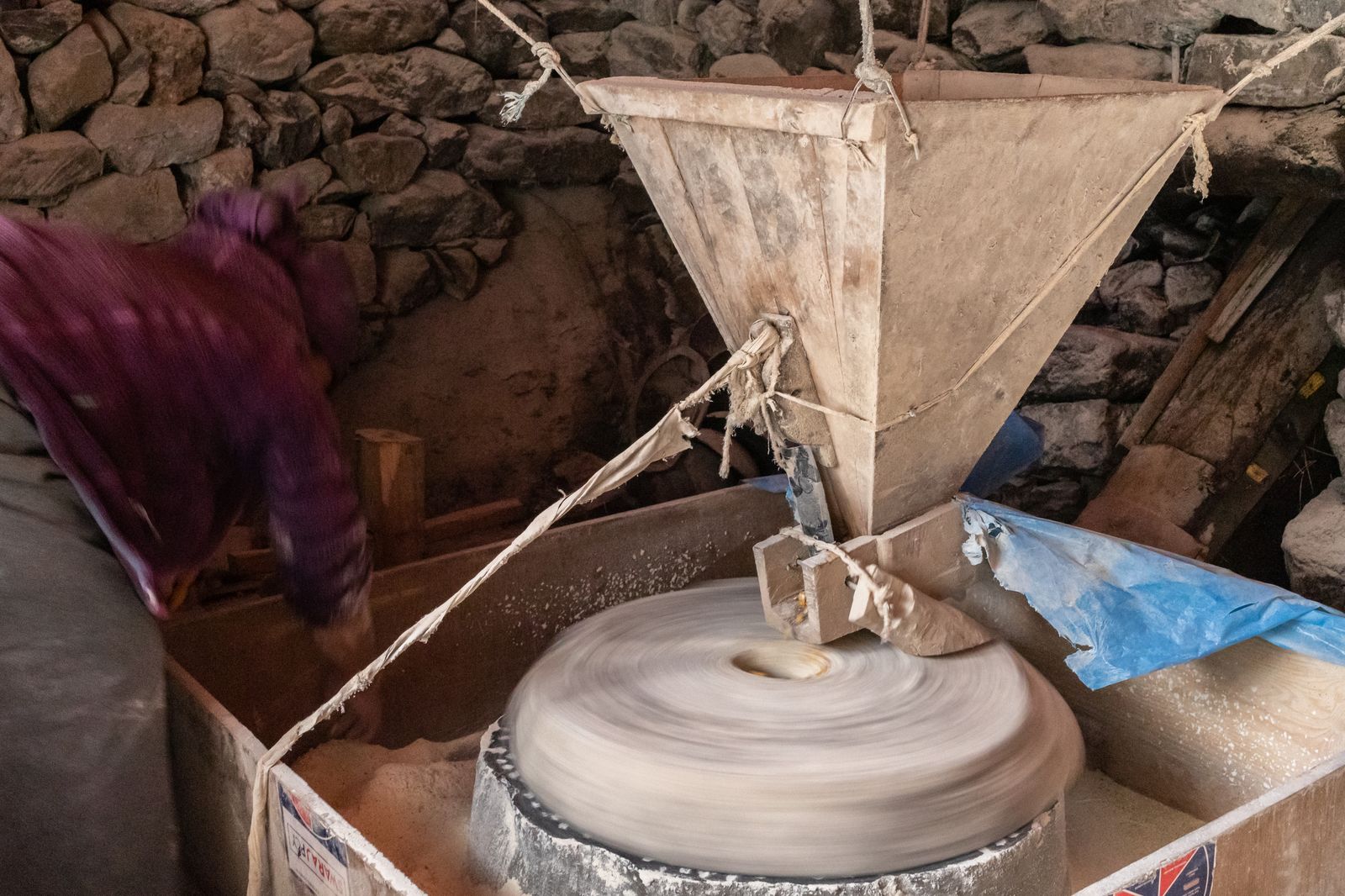
Buying a home grain mill is the kind of decision the marketing makes harder than it needs to be. Strip away the brand loyalty and the claims, and choosing a home grain mill comes down to three questions: stone or impact, manual or electric, and how much flour you actually plan to make. Get those right and almost any reputable mill will serve you for years. The reason people bother at all is simple: flour goes stale fast, losing flavor and nutrients within days of milling, so grinding your own means fresher, more nutritious flour than anything on a shelf, as the case for whole grains makes clear.
Quick answer: Choosing a home grain mill comes down to three questions: stone or impact, manual or electric, and how much flour you make. Impact mills grind very fine flour fast and suit frequent bakers; stone and steel-burr mills run cooler and handle oily grains. Manual mills are cheap and need no power but take real effort, while electric mills pay off once you bake weekly. Any reputable mill gives you fresher, more flavourful flour than the bag, because flour goes stale within days of grinding.
Why mill your own flour at home?
Two honest reasons, and one that gets oversold. The honest ones: flavor and freshness. Whole grain flour contains the oil-rich wheat germ, which starts going rancid almost immediately, so commercial whole wheat flour is often already past its best by the time you buy it. Milling at home means you grind what you need, when you need it. The oversold reason is nutrition. Fresh flour does retain more of certain nutrients, but the difference is modest, not miraculous. Buy a mill for the flavor and the control over what you bake, and treat the nutrition as a bonus.
Stone mills vs impact mills: what’s the difference?
This is the fork in the road, and the one the salespeople gloss over.
| Feature | Stone mill | Impact mill |
|---|---|---|
| How it grinds | Crushes grain between two stones or steel burrs | Shatters grain with spinning steel teeth |
| Texture | Slightly coarser, traditional | Very fine, fluffy |
| Heat | Cooler, gentler on the grain | Runs hotter, faster |
| Oily seeds | Handles most grains | Struggles with oily seeds like flax |
| Noise | Moderate | Loud |
Stone and steel-burr mills, like the Country Living or Lehman’s flywheel mill, are the choice for bakers who want control over coarseness and a slower grind. Impact mills like the Kitchen Mill are faster and produce a finer, cake-like flour, but they are noisier and not meant for oily seeds. Neither is “better.” They are built for different jobs.
Manual or electric grain mill?
A hand-crank mill like the Victoria is cheap, silent, needs no power, and doubles as a workout; our hand crank vs electric grain mill comparison weighs the trade head-on. It is a fine choice if you mill small amounts occasionally or want a backup that works in a blackout. An electric mill is the right call the moment you are milling regularly or in any quantity, because grinding several cups of flour by hand gets old fast. Most people who bake weekly end up with an electric mill and never look back.
What should you look for in a home grain mill?
Beyond the stone-or-impact decision, a few specs actually matter.
- Capacity and speed. How many cups per minute, and how big is the hopper. Matters more the more you bake.
- Adjustable fineness. A good mill goes from cracked grain to fine pastry flour. Test the range, not just the finest setting.
- Cleaning. Some mills self-clean by running rice through them; others need disassembly. Check before you buy.
- Noise. Impact mills in particular are loud enough to clear a room. Read reviews specifically about sound.
- Warranty. A long warranty on the grinding mechanism is the clearest signal a maker trusts its own build.
How much does a home grain mill cost?
Expect three rough tiers. Manual mills start around 50 to 120 dollars. Mid-range electric impact mills run 200 to 300. Premium stone and steel-burr electric mills, the ones serious bakers covet, sit between 400 and 700. The jump in price mostly buys quieter operation, finer adjustment, and a longer-lasting grinding mechanism, not better flour on day one. Buy for how often you will really use it, not the aspirational version of yourself who mills daily.
Is milling your own flour worth it?
For an occasional baker, probably not. A bag of decent flour is cheap and milling is a commitment. For anyone who bakes bread regularly, especially sourdough, the answer flips fast. Fresh-milled flour genuinely tastes different, and once you can mill einkorn, spelt, or rye on demand, a whole range of heritage baking opens up that the supermarket flour aisle simply does not stock.
Where to start
If you are not sure you will stick with it, begin with an inexpensive manual mill and a few pounds of whole grain. If you already bake weekly, skip straight to a mid-range electric mill and you will not regret it. Pair either with our guide to the best flour for a sourdough starter to put that fresh flour to work, and see our rye flour notes for one of the most rewarding grains to mill yourself. If you are still deciding which heritage wheats to grind, the emmer versus einkorn comparison is a good place to start.
Frequently asked questions
Can a home grain mill grind flour fine enough for bread?
Yes. A good impact mill produces fine, fluffy flour in a single pass, and a quality stone or steel-burr mill reaches bread-fine flour on its tightest setting. Only the cheapest hand mills struggle to get fine enough, so check the fineness range before buying, as our best flour mills roundup notes for each pick.
Can you grind oily seeds like flax in a grain mill?
Usually not in an impact mill: flax, sunflower, and other oily seeds gum up the spinning teeth and can clog the chamber. Some stone and steel-burr mills tolerate small amounts, but check the manual first. Grind oily seeds in a dedicated spice or coffee grinder instead, and keep the grain mill for dry cereals and pulses.
How long does a home grain mill last?
A well-built mill is close to a lifetime tool. Heavy manual mills and premium stone or steel-burr machines are made to run for decades, which is why they carry long warranties on the grinding mechanism. Budget hand mills and stand-mixer attachments wear faster, but even they last years of normal home use.
The everyday workhorse: Kitchen Mill
If you bake most weeks, the impact-style Kitchen Mill is the fast, fuss-free pick. Or compare the full lineup below.
Shop the Kitchen Mill →Ready to start milling?
Fresh-milled flour beats anything off the shelf. See our roundup of home grain mills, from budget hand-crank models to premium stone-burr machines.
Explore home grain mills →