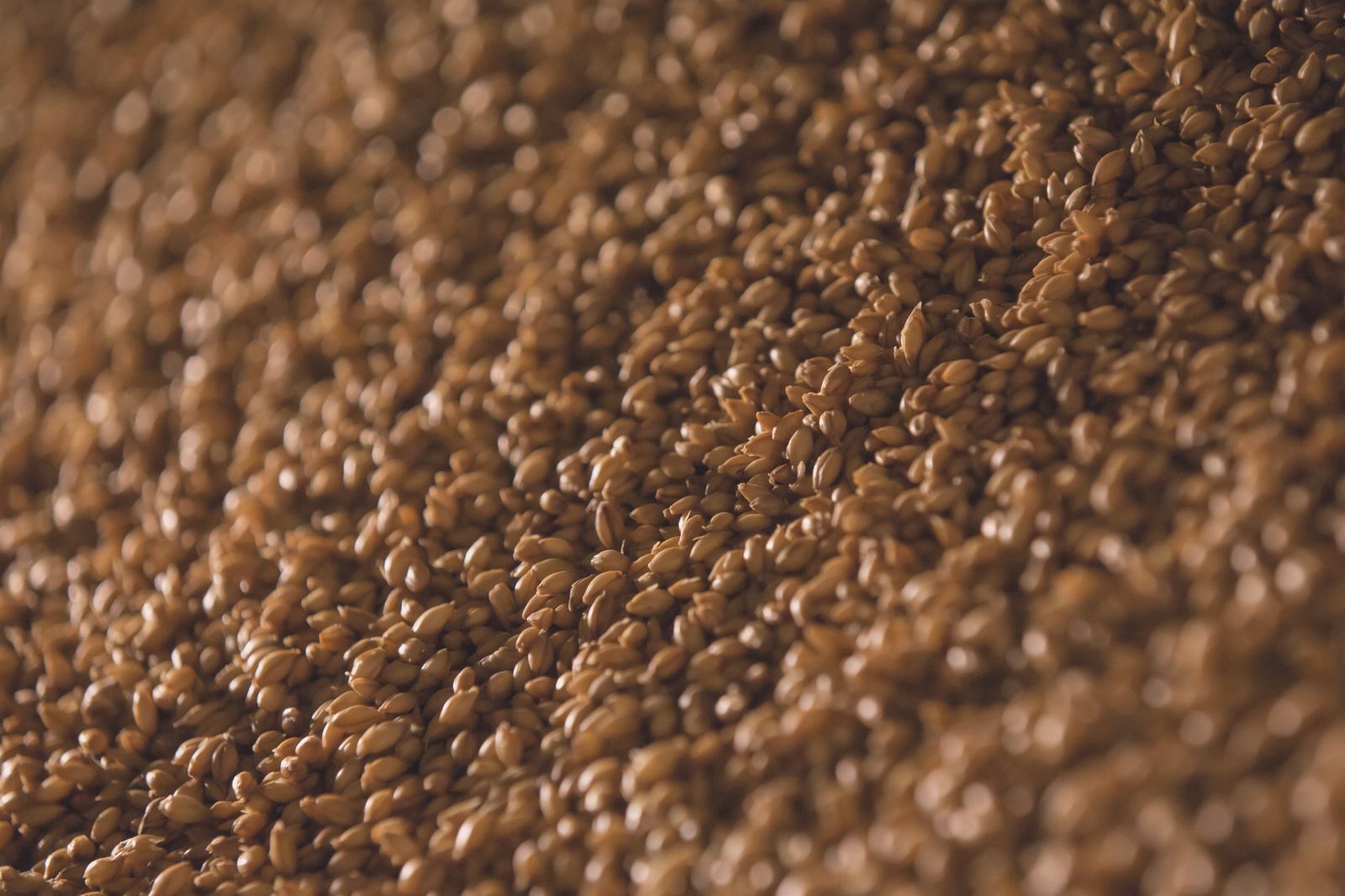
Barley is one of the most forgiving grains in the pantry, and learning how to cook barley comes down to knowing which kind you have and giving it enough simmering time. The short version: simmer pearl barley in about three parts water to one part grain for 25 to 30 minutes, drain, and you are done. Hulled and pot barley take longer and reward a soak. In the Highland kitchen I grew up in, a pot of barley was rarely far from the stove, going into broth, brose, and whatever the garden gave us. Note that barley is a wheat relative and does contain gluten, so it is not safe for celiacs, as our is barley gluten free post explains in full.
Quick answer: To cook barley, simmer it like pasta in plenty of salted water, then drain. Pearl barley uses about 3 parts water to 1 part grain and takes 25 to 30 minutes; pot barley takes 40 to 50 and hulled barley 50 to 60, both helped by a soak, though pearl needs none. Look for grains that are plump and tender with a slight chew. Note that barley contains gluten and is not celiac-safe.
What is the barley to water ratio?
Barley is a thirsty grain. Cook it like pasta, in plenty of water, and drain the excess rather than trying to measure it exactly.
| Type | Barley to water | Simmer time |
|---|---|---|
| Pearl barley | 1 : 3 | 25–30 minutes |
| Pot barley | 1 : 3.5 | 40–50 minutes |
| Hulled barley | 1 : 4 | 50–60 minutes |
One cup of dry pearl barley yields roughly three cups cooked, enough to bulk out a big pot of soup for a family.
- 1 cup (200 g) pearl barley, rinsed
- 3 cups (720 ml) water
- Good pinch of salt
- 1 tbsp (14 g) butter, optional, for toasting the dry grain first
Pearl, pot, or hulled barley: what’s the difference?
This is the question that trips people up, because the bag does not always say. The three differ by how much of the outer grain has been polished away.
- Hulled barley has only the tough inedible hull removed. It keeps all its bran, so it is the most nutritious and the chewiest, and it takes the longest.
- Pot barley (also called Scotch barley) is lightly pearled, a middle ground. It still has some bran and a nutty bite.
- Pearl barley is fully polished, with the bran buffed off. It cooks fastest, turns creamy, and is what most shops sell. It is the one for soups and risottos.
If you are new to barley, start with pearl. The others are worth graduating to once you know you like the grain.
Do you need to soak barley?
Pearl barley needs no soaking. Hulled and pot barley benefit from a few hours in cold water, or overnight, which softens the intact bran and cuts the cooking time by ten minutes or so. It is not strictly required, but it makes the tougher grades more tender. A rinse under cold water before cooking is worth doing for any barley, to wash off the dusty starch.
How long does barley take to cook?
Pearl barley is tender in 25 to 30 minutes of gentle simmering. Pot barley wants 40 to 50, and hulled barley 50 to 60, less if you soaked it first. You are looking for grains that are plump and tender with a slight chew at the centre, never hard. Unlike rice, barley is hard to overcook into mush, so when in doubt, give it another five minutes.
How do you cook pearl barley?
Cook pearl barley like pasta, in plenty of salted water, then drain off what it does not absorb.
- Rinse 1 cup of pearl barley under cold water.
- Bring a saucepan of water to the boil, roughly 3 cups, and add a good pinch of salt.
- Add the barley, drop to a steady simmer, and cover loosely.
- Cook for 25 to 30 minutes, until tender with a little bite.
- Drain off any water that has not absorbed, the way you would pasta.
- Let it sit off the heat for 5 minutes, then fork it through.
For a richer result, toast the dry barley in a little butter for two minutes before adding the water. It deepens the nutty flavour beautifully.
Why is my barley still chewy or mushy?
Two complaints, two simple causes. Still chewy almost always means not enough time. Barley does not soften on a schedule the way white rice does, so a stubborn batch just needs another ten minutes of simmering, with a splash more water if the pan runs dry. Gone mushy usually means hulled or pot barley was cooked as long as a recipe written for pearl, or it sat in its cooking water too long afterward. Drain it promptly and it holds its shape.
Is barley good for you?
It is genuinely one of the better grains for you, chewy bran and all. Barley is exceptionally high in beta-glucan, a soluble fibre that has solid evidence behind it for lowering cholesterol, which is why the Harvard T.H. Chan School of Public Health counts it among the whole grains worth eating often. It also brings a good dose of protein and minerals, with the fuller figures available through USDA FoodData Central. Hulled and pot barley keep more of that bran than pearl, so they are the more nutritious choices when you have the time to cook them.
What do you make with cooked barley?
This is where barley earns its keep. Spoon it into a Scotch broth or any hearty soup, where it thickens the pot and turns silky. Cook it risotto-style with stock and call it an orzotto. Toss it cold through a grain salad with herbs and lemon. Or do as the old crofters did and make brose, soaking toasted barley meal in hot stock.
For more on the grain itself, see our barley profile and our barley flour guide for the milled side, and if you like barley’s chew you will get on with oats, its fellow British cereal. Building a grain pantry beyond the wheat family? Our rye flour guide covers another hardy northern grain, and the emmer versus einkorn piece traces the ancient wheats that barley grew up alongside. And for barley’s other great use, malting rather than boiling, start with all grain vs extract brewing.
Frequently asked questions
Can you cook barley in an Instant Pot or rice cooker?
Yes to both. In an Instant Pot, pearl barley takes about 20 minutes at high pressure with a natural release (a little longer for pot or hulled). In a rice cooker, use the same water ratio and let it run through a full cycle, adding a few minutes if the grain is still firm.
How do you store cooked barley?
Cooked barley keeps in the fridge for about four to five days in a sealed container, and it freezes well for up to three months. It reheats beautifully with a splash of water or stock, which makes it worth cooking a big batch for the week.
Is barley gluten-free?
No. Barley is a close wheat relative and contains gluten, so it is not safe for anyone with celiac disease or a gluten intolerance, as our is barley gluten free post explains in full.
Stock up on Barley
See our hand-picked Barley, from flour to whole grain, with the brands worth buying.
Shop Barley →