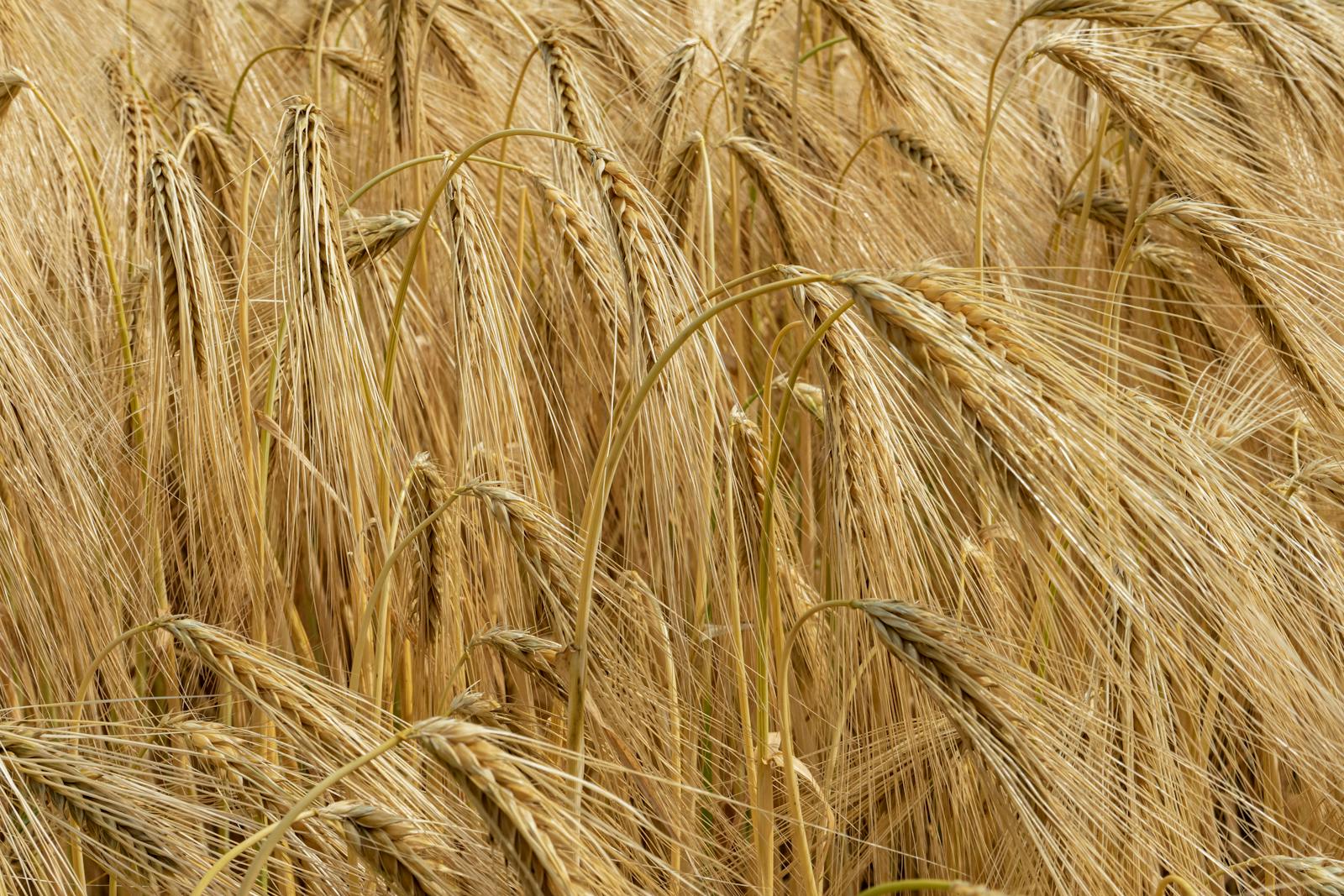
The is barley gluten free question is the one I most often get from American readers, and the short answer is no. Barley is one of the three classic gluten-bearing cereals (alongside wheat and rye), and the gluten in barley is a protein family called hordein. For someone with celiac disease or a serious wheat sensitivity, barley is just as dangerous as wheat, and arguably harder to avoid because it shows up in places nobody expects: beer, miso, malt vinegar, breakfast cereals, soy sauce, and most savoury seasonings labelled “natural flavour.” The longer answer, which is the rest of this post, is about the botany of why barley has gluten, the sub-questions (pearl, malt, grass) that come with the answer, and what to actually substitute when you cook the dishes barley shows up in.
In our Nordic kitchen tradition, barley is bread and porridge and bread again, and giving it up is a real loss for a baker. The substitutions matter, and the nuance about malt extract and barley grass juice is where most home cooks get tripped up. So: yes barley has gluten, and below is what to do about it in practice.
Quick answer: No, barley is not gluten-free. It belongs to the same grass tribe as wheat and rye, and its storage protein, hordein, triggers the same celiac reaction as wheat gluten. Every form is unsafe for celiacs, including pearl barley, barley flour, and barley malt, which hides in beer, malt vinegar, and many breakfast cereals. Only barley grass (the young leaves) is technically gluten-free, and even that risks seed cross-contamination.
Is barley gluten free? The short answer
Barley is not gluten free. Botanically, barley (Hordeum vulgare) sits in the Triticeae tribe of grasses, the same tribe that produces wheat, spelt, einkorn, emmer, khorasan, wild emmer, and rye. Every member of that tribe produces gluten-family prolamin proteins. In wheat the prolamin is called gliadin. In rye it is secalin. In barley it is hordein. The clinical evidence is unambiguous: hordein triggers the same celiac autoimmune response as gliadin, and barley is on every certified celiac avoid-list worldwide.
The FDA’s gluten free labelling rule (less than 20 ppm) excludes any product containing barley unless that barley has been processed to remove the gluten, which is technically possible but rare. Anything labelled “gluten free” on a US shelf is by definition either barley-free or made from barley that has been hordein-depleted.
The Celiac Disease Foundation’s grain guidance lists barley alongside wheat and rye as the three grains every diagnosed celiac must avoid for life.
What is hordein and why is it considered gluten?
Hordein is the alcohol-soluble storage protein in the barley seed’s endosperm. Like wheat gliadin, it is rich in the amino acids proline and glutamine, which gives it the same digestive resistance and the same triggering shape for celiac T-cells. The molecular biology is well-mapped: hordein, gliadin, and secalin share so much sequence identity that the immune system cannot distinguish between them.
This is why “wheat free” and “gluten free” are not the same thing. Plenty of products are marketed as wheat free while still containing barley or rye. For celiac safety, only “gluten free” with third-party certification is meaningful. See our companion is oatmeal gluten free post for the parallel discussion of cross-contamination (oats are gluten free at the species level but compromised by supply chain). The is rye bread gluten free post covers rye’s parallel hordein-like prolamin story.
Is pearl barley gluten free?
No. Pearl barley is just barley with the outer hull and bran polished off. The endosperm, which is where most of the hordein lives, is still fully intact. Pearl barley, hulled barley, barley flakes, barley grits, and barley flour are all gluten-containing. There is no “lower-gluten” form of barley that becomes safe for a celiac diet.
For the role pearl barley typically plays in a recipe (the chewy bite in a soup, stew, or risotto-style dish), the closest gluten free substitutes are:
| Substitute | How it behaves vs pearl barley |
|---|---|
| Cooked sorghum | Same chew, neutral flavour, swaps 1:1 by volume |
| Short-grain brown rice | Softer than barley, holds shape, swaps 1:1 |
| Cooked buckwheat groats | Earthier, slightly faster cook, use 3/4 the volume |
| Cooked common millet | Fluffier and less chewy, use as flavour swap not texture swap |
Is barley malt gluten free?
No, and this is the one I most have to repeat. Barley malt is made by sprouting barley grains, drying them, and milling them into a powder or extract. The hordein is fully present in malt. Barley malt extract, barley malt syrup, barley malt flour, barley malt powder, malt vinegar, and most beer are all gluten-containing and unsafe for celiac consumption.
This is the trap in commercial cereals and baked goods. Many products labelled “made with whole grains” use barley malt extract as a sweetener and flavour booster. Rice Krispies, Corn Flakes, most Cheerios variants, and a long list of granolas and energy bars all use barley malt and are therefore not gluten free. Always read the ingredient list, even on products that look like they should be safe.
Beer is the other big trap. Standard beer is brewed with malted barley, and even after the brewing and filtration steps the residual gluten content is well above the 20 ppm threshold. Dedicated gluten free beers brewed from sorghum, millet, rice, or buckwheat are the safe option for celiac drinkers, plus most ciders, most wines, and most distilled spirits (the distillation removes the gluten proteins, though sensitive individuals sometimes still react to barley-derived whiskies).
Is barley grass gluten free?
This is the only sub-question with a real answer that is technically yes. Barley grass is the young leaves of the barley plant, harvested before the grain develops. At the leaf-only stage there is no endosperm and therefore no hordein. Pure barley grass powder, if it has been harvested early enough and has not been cross-contaminated with seed, is gluten free.
The risk is in the supply chain. Most commercial barley grass products are not certified gluten free, and the harvesting process easily includes some mature grain. For celiac consumption, look for a third-party gluten free certification on barley grass or wheatgrass products. Without certification, the safer assumption is that they contain trace gluten.
Why is barley in so many unexpected products?
Three reasons. First, barley malt is one of the cheapest sweetening and browning agents in food processing, so it shows up in breakfast cereals, bread, crackers, energy bars, and confectionery. Second, barley grain is a common bulking ingredient in soups, stuffings, and packaged grain mixes. Third, barley-derived ingredients (malt vinegar, beer, soy sauce in some Asian production styles) flavour a huge range of savoury products labelled with the catch-all “natural flavouring” on US ingredient lists.
The three rules of thumb I give friends with newly diagnosed celiac disease:
- Assume cereals contain barley malt until proven otherwise. Only “certified gluten free” cereals are safe.
- Assume vinegar is malt vinegar unless the label specifies rice, apple cider, or distilled white. Salad dressings and condiments are common hidden sources.
- Read the soy sauce label. Traditional shoyu contains wheat. Tamari is typically wheat-free but check for gluten free certification.
What can I substitute for barley?
Here are the practical swaps a Nordic baker recommends, by dish.
- Barley bread or rolls: A 70:20:10 blend of sorghum flour, oat flour (certified GF), and tapioca starch with psyllium husk binder. See our gluten free flour primer for the full ratio reasoning.
- Barley porridge (kornelisa, grøt): Cooked millet or steel-cut certified GF oats, prepared with the same long simmer and finished with butter and salt.
- Pearl barley in soup or stew: Cooked sorghum or short-grain brown rice; see the table above.
- Barley flour in baking: Brown rice flour as a base plus 20% sorghum for the same earthy-mellow profile. Hordein replaces best with the sorghum-rice blend.
- Beer: Sorghum-based, millet-based, or buckwheat-based GF beer; cider; or wine.
- Malt vinegar: Apple cider vinegar or sherry vinegar gives the closest flavour profile.
- Malted milkshakes: Use a barley-free malt substitute, or skip the malt entirely.
For the broader gluten free pantry strategy, our gluten free grains hub covers the full safe-grain landscape, the is quinoa gluten free post covers the most-asked quinoa question, the is buckwheat gluten free post covers the most-misunderstood pseudocereal, and the quinoa history post covers how Andean cultures built a daily diet around a naturally gluten free grain. For the rye parallel (also botanically related to barley), see our whole grain rye bread post and the emmer vs einkorn comparison covers the heritage-wheat side of the gluten conversation.
The USDA FoodData Central barley entry covers the species nutrition for context. Barley is genuinely nutritionally excellent (high fibre, low glycemic, mineral-dense). It just is not safe for celiac diets, and no preparation method changes that. The grain stays out; the substitutions go in; the cooking stays the same shape. That is the whole answer.
Frequently asked questions
Is beer gluten-free?
Standard beer is not, because it is brewed from malted barley and its residual gluten stays above the safe 20 ppm threshold even after filtering. Dedicated gluten-free beers brewed from sorghum, millet, or rice are the safe option, as are most ciders, wines, and distilled spirits.
Is barley water gluten-free?
No. Barley water is made by simmering barley grains, so it draws hordein straight from the endosperm into the liquid. It is not safe for anyone with celiac disease, even after straining out the grain.
Is there a safe amount of barley for celiacs?
No. Celiac disease is an autoimmune reaction where even trace gluten damages the small intestine, so there is no safe serving of barley in any form. The only safe amount is none.
Stock up on Barley
See our hand-picked Barley, from flour to whole grain, with the brands worth buying.
Shop Barley →