 By Eli Stanton · Published · 1584 words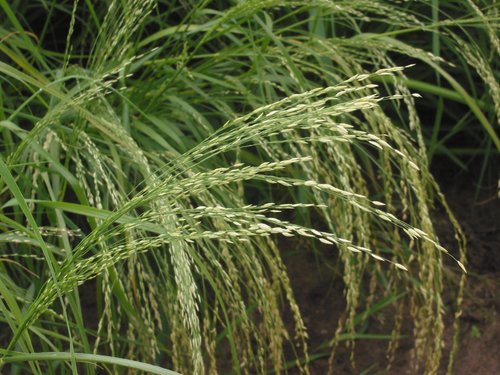
The first time you tear a piece of injera, scoop up a stew with it, and taste that cool sour tang against the spice, you understand why a whole cuisine is built on it. This injera recipe makes the real thing: the spongy, crater-pocked Ethiopian flatbread fermented from teff, the tiniest grain in the world. It takes three days, but almost all of that is waiting, not work. Teff is naturally gluten-free, so this is also one of the few traditional staple breads a celiac can eat without compromise. Here is how to make injera at home, from flour to the first bubbly round.
Quick answer: Injera is the spongy, sour Ethiopian flatbread made by fermenting teff flour and water for two to three days, then cooking the batter on one side only until its surface fills with tiny holes. Made with pure teff, it is naturally gluten-free, which is rare for a staple bread. The tang comes from the wild ferment, and the eyes come from a well-fermented, thin batter on a hot pan. It doubles as plate, utensil, and side for Ethiopian stews.
What is injera?
Injera is a large, thin, fermented flatbread that doubles as plate, utensil, and side dish across Ethiopia and Eritrea. You spread stews and salads directly on its surface, then tear off pieces to scoop them up. Its defining features are a tangy, slightly sour flavor from natural fermentation and a top surface covered in tiny holes called eyes, which catch sauce. The sourness comes from a wild ferment, the same family of process behind any sourdough, but using teff flour and water alone.
Authentic injera is made entirely from teff. Many restaurants outside Ethiopia cut teff with wheat flour to save money, which is cheaper and easier to handle but means the bread is no longer gluten-free. Made at home with pure teff, it stays true to the original and safe for gluten-free eaters.
Why teff?
Teff is the heart of the recipe, not a substitute for anything. It is a fine grain, so small that a handful contains thousands of seeds, and it mills into a flour that ferments readily and carries a gentle, malty, slightly molasses-like flavor. You can read the full background on our teff explainer.
Two types show up at the shop. Ivory teff makes a milder, lighter injera and is the traditional choice for the most prized version. Brown teff gives a darker, earthier, more robustly flavored bread. A good ivory teff flour is what I reach for when I want classic injera, though a standard teff flour works perfectly well and is easier to find. Both ferment the same way.
- 2 cups (about 270 g) teff flour, ivory or brown
- 2.5 cups (600 ml) water, plus more for the optional absit and to thin
- 1 tsp fine salt, stirred in just before cooking
- Neutral oil, for the pan
How do you make injera, step by step?
The batter is just teff flour and water, fermented for two to three days, then poured onto a hot pan and cooked on one side until the surface fills with holes. Here is the full sequence.
- Whisk the teff flour and 2.5 cups of water in a large bowl into a smooth, pourable batter. Cover loosely with a cloth or a plate.
- Ferment at room temperature for 2 to 3 days. Once a day, pour off most of the clear liquid that rises to the top and give the batter a stir. It is ready when it smells pleasantly sour and is lively with bubbles.
- Optional but worth it: make the absit. Stir 1 cup of the batter into 1/2 cup of simmering water until it thickens like porridge, cool it briefly, then whisk it back into the batter for a stretchier, more reliable injera.
- Just before cooking, stir in the salt and thin the batter with water until it pours like heavy cream, thinner than pancake batter.
- Heat a large non-stick pan (or a traditional mitad) over medium-high until a drop of water skitters, then wipe it with a film of neutral oil.
- Pour about 3/4 cup of batter in a spiral from the outside rim to the center, cover, and cook 1 to 2 minutes on one side only, until the eyes open across the surface and the edges lift. Do not flip.
- Slide it onto a clean cloth to cool. Cool each round flat and separate, never stacked hot, or they turn gummy.
How long does injera take to ferment?
Plan on three days, though warmth speeds it up and cold slows it down. Whisk the teff flour with water into a smooth, pourable batter, cover it loosely, and leave it at room temperature. Over the next two to three days it will bubble, separate, and develop a sharp, sour smell. That is the wild fermentation doing its work, and it is what gives injera its character.
A clear liquid will rise to the top as it ferments. Pour off most of it each day and stir the batter. When the batter smells pleasantly sour and is lively with bubbles, it is ready. Before cooking, many cooks make a quick cooked starter called absit: stir a cup of the batter into simmering water until it thickens, then mix it back in. This step gives a more reliable, stretchy bread, though you can skip it when you are starting out.
Why didn’t my injera form holes?
The eyes are the part everyone worries about, and three things usually explain a flat, holeless injera. The batter was not fermented enough, so there was not sufficient gas, give it another day. The batter was too thick, it should be thinner than pancake batter, closer to heavy cream, so thin it with water. Or the pan was not hot enough to flash the surface into bubbles, so preheat it well.
Cook injera on one side only. Pour the batter onto a hot, lightly oiled non-stick pan or a traditional mitad in a spiral from the outside in, cover, and let it steam. Do not flip it. In a minute or two the surface sets, the eyes open across the top, and the edges lift. Remove it and let it cool on a cloth, never stacked while hot or it turns gummy.
Is injera gluten-free?
Made the traditional way, with pure teff, yes. Teff contains no gluten, which is confirmed by sources like USDA FoodData Central, so 100% teff injera is safe for people with celiac disease or gluten sensitivity. This is genuinely rare for a staple bread and one of the best reasons to make it yourself.
The catch is what happens outside the home. Restaurant injera is frequently made with a blend of teff and wheat or barley flour, which is not gluten-free, the same trap that catches restaurant naan and pita (our gluten-free naan and pita recipe rebuilds both at home). If you are avoiding gluten, the only way to be sure is to make it with teff alone, or ask very specifically. For more naturally gluten-free grains worth knowing, the complete-protein story of quinoa in our quinoa history piece is a good next read.
What do you serve with injera?
Everything, but classically a spread of stews called wat: spicy chicken doro wat, lentil misir wat, spiced split peas, and sauteed greens, all arranged on a large round of injera with extra rolls on the side. The bread’s sourness balances the chili and berbere spice.
If you want to stretch teff with other grains, traditional cooks sometimes blend in a little sorghum or barley flour for economy, though it changes the flavor and, with barley, removes the gluten-free benefit. For more ways to cook with this grain, our teff flour recipes covers porridge, baking, and more, and the ancient grain bread guide puts injera in the wider context of heritage flatbreads.
Frequently asked questions
How do you store injera?
Stack the cooled rounds, wrap them well, and keep them at room temperature for a day or two; injera is meant to stay soft and pliable, so it does not need refrigerating short-term. For longer storage, wrap tightly and freeze, then thaw at room temperature or warm briefly, since chilling can make it stiff.
Can you make quick injera without the long ferment?
You can approximate it. Stirring a spoonful of active sourdough starter, or a little yeast plus a squeeze of lemon, into the teff batter gives bubbles and some tang in a few hours instead of days. It is a fair shortcut, but the flavour is milder and less complex than a true two-to-three-day wild ferment.
Is injera good for you?
Yes. Teff is one of the more nutritious grains, rich in fibre, iron, and calcium, with a good amount of protein for a cereal, and the long fermentation makes its minerals more available. A pure-teff injera is a whole-grain, gluten-free staple, which is a genuinely unusual combination.
Start with real teff.
Authentic injera lives or dies on the flour. Browse the ivory and brown teff we recommend, plus the rest of our teff guide.
Shop teff →