 By Cora Whitfield · Published · 1098 words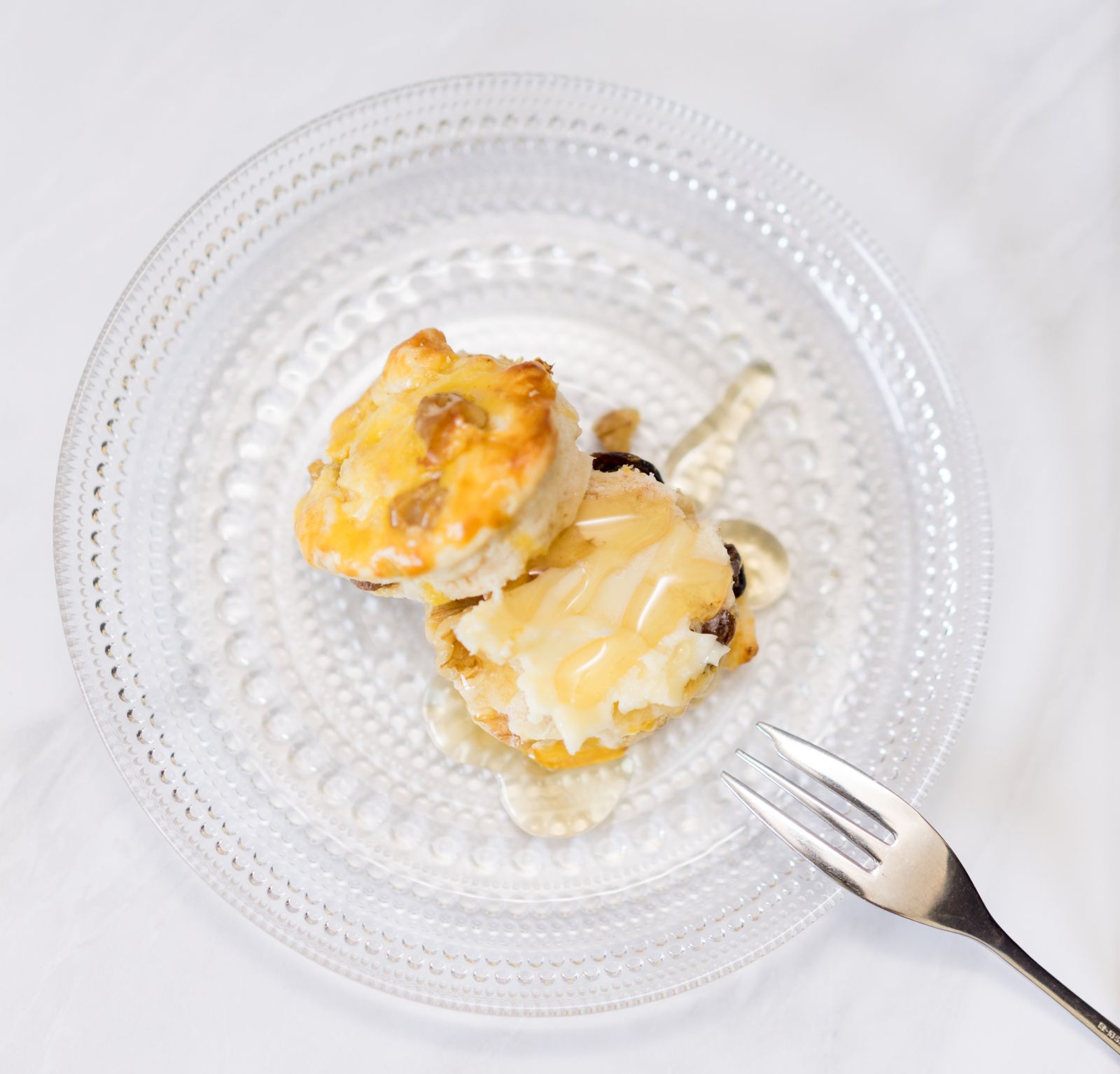
Where I grew up, a jar of sorghum syrup sat on the table next to the salt and pepper, and a biscuit was not finished until it had a spoonful pooled in the middle. Sorghum syrup is the South’s old heritage sweetener: a thick, amber syrup pressed and boiled down from the juice of sweet sorghum cane. It tastes like nothing else, somewhere between honey, molasses, and warm caramel with a faint sour tang. It is naturally gluten-free, made from the same sorghum plant that gives us the grain, and it deserves a place back on more tables. Here is what it is, how to use it, and what to reach for when you cannot find a jar.
Quick answer: Sorghum syrup is a thick amber sweetener made by pressing and boiling down the juice of sweet sorghum cane, a Southern US heritage product. It tastes like a cross between honey, molasses, and caramel with a faint sour tang, and it is milder and sweeter than molasses. It is naturally gluten-free and carries some potassium, iron, and calcium. Use it drizzled on biscuits and pancakes, or in baking and glazes in place of molasses or honey.
What is sorghum syrup?
Sorghum syrup is made by crushing the stalks of sweet sorghum, a tall grassy cane, to extract their green juice, then boiling that juice down until it thickens into syrup. It takes around 10 gallons of juice to make a single gallon of syrup, which is why real sorghum has always been a labor of love, traditionally a community event at harvest. The result is an amber-to-deep-brown syrup, pourable and glossy, with a complex sweet-tart flavor.
It is not the same as the grain sorghum you cook like rice, though they come from the same species. Sweet sorghum is grown for its sugary stalk juice, while grain sorghum is grown for its seed heads. You can read more about the grain itself on our sorghum flour guide and our piece on how to cook sorghum.
Is sorghum syrup the same as molasses?
This is the most common mix-up, and the answer is no, though they are cousins. Molasses is a byproduct of refining sugarcane or sugar beets into white sugar. Sorghum syrup is a standalone product made only by concentrating sweet sorghum juice, with nothing removed and nothing added. That difference shows up in the flavor.
| Feature | Sorghum syrup | Molasses |
|---|---|---|
| Source | Sweet sorghum cane juice | Byproduct of sugar refining |
| Flavor | Sweet-tart, mild, caramel | Stronger, more bitter (esp. blackstrap) |
| Sweetness | Sweeter, less bitter | Less sweet, more robust |
| Color | Amber to deep brown | Dark brown to near black |
People often call sorghum syrup “sorghum molasses,” which muddies the water, but technically molasses it is not. If a recipe calls for molasses and you use sorghum, expect a milder, sweeter, less bitter result, which is usually a pleasant trade.
What does sorghum syrup taste like, and how do you use it?
Think honey crossed with molasses, with a tang that keeps it from being cloying. A good jar of sorghum syrup is wonderful in the simplest ways: drizzled over hot biscuits, cornbread, or pancakes, stirred into oatmeal, or spooned over butter and greens. It also shines in baking and cooking, where its acidity does real work.
- Baking: swap it for molasses or honey in gingerbread, cookies, and quick breads for a softer crumb and deeper flavor.
- Glazes and sauces: brush it on roasted sweet potatoes, carrots, ham, or chicken, or whisk it into barbecue sauce and salad dressings.
- Sweetening: stir into coffee, tea, or a glass of milk the way earlier generations did.
For baking projects beyond a drizzle, our ancient grain bread guide pairs well with sorghum’s flavor in heartier loaves.
What can I substitute for sorghum syrup?
If you cannot find sorghum syrup, a few swaps get you close, though none match its exact sweet-tart character. Use them measure for measure.
| Substitute | Notes |
|---|---|
| Molasses (not blackstrap) | Closest texture; a bit more bitter, so use slightly less |
| Honey | Milder, floral; loses the tang but works in most recipes |
| Maple syrup | Thinner and more distinct in flavor; good for drizzling |
| Cane syrup or golden syrup | Similar body, sweeter, less complex |
For most baking, a mix of honey and a little molasses mimics sorghum reasonably well.
Is sorghum syrup gluten-free and good for you?
Yes, sorghum syrup is naturally gluten-free, since it comes from sorghum, a gluten-free grain, with no wheat contact in traditional production. That makes it a useful sweetener for celiac and gluten-free baking, where it stands in for honey or molasses without issue.
Nutritionally, it is still sugar and belongs in the “treat” column, but unlike refined sweeteners it carries real minerals. Per USDA FoodData Central, sorghum syrup contains meaningful amounts of potassium, iron, and calcium, more than white sugar or corn syrup provide. It is a sweetener with a little something extra, much like the sweet sorghum plant it comes from. If you are exploring naturally gluten-free pantry staples, our quinoa history piece is a good companion read on another ancient grain worth knowing.
Frequently asked questions
Is sorghum syrup the same as sorghum molasses?
Yes, they are the same product under two names. “Sorghum molasses” is a common Southern nickname, but true molasses is a byproduct of refining sugar, while sorghum syrup is made only from concentrated sweet-sorghum juice. Calling it molasses is technically a misnomer.
Is sorghum syrup vegan?
Yes. It is made entirely from a plant, sweet sorghum cane, with nothing of animal origin, which makes it a good plant-based stand-in for honey in baking and drizzling.
Where can you buy sorghum syrup?
It is easiest to find in the American South, at farmers markets, country stores, and increasingly online. Look for a label that says “pure sorghum,” since some products blend it with corn syrup.
Buy real sorghum syrup
The genuine article is pure sorghum, not a blend. A pint keeps for months in the pantry.
Shop sorghum syrup →Cook with sorghum, start to finish.
Sorghum syrup is just one side of this grain. Browse whole sorghum and sorghum flour for bowls, baking, and popping.
Shop sorghum →