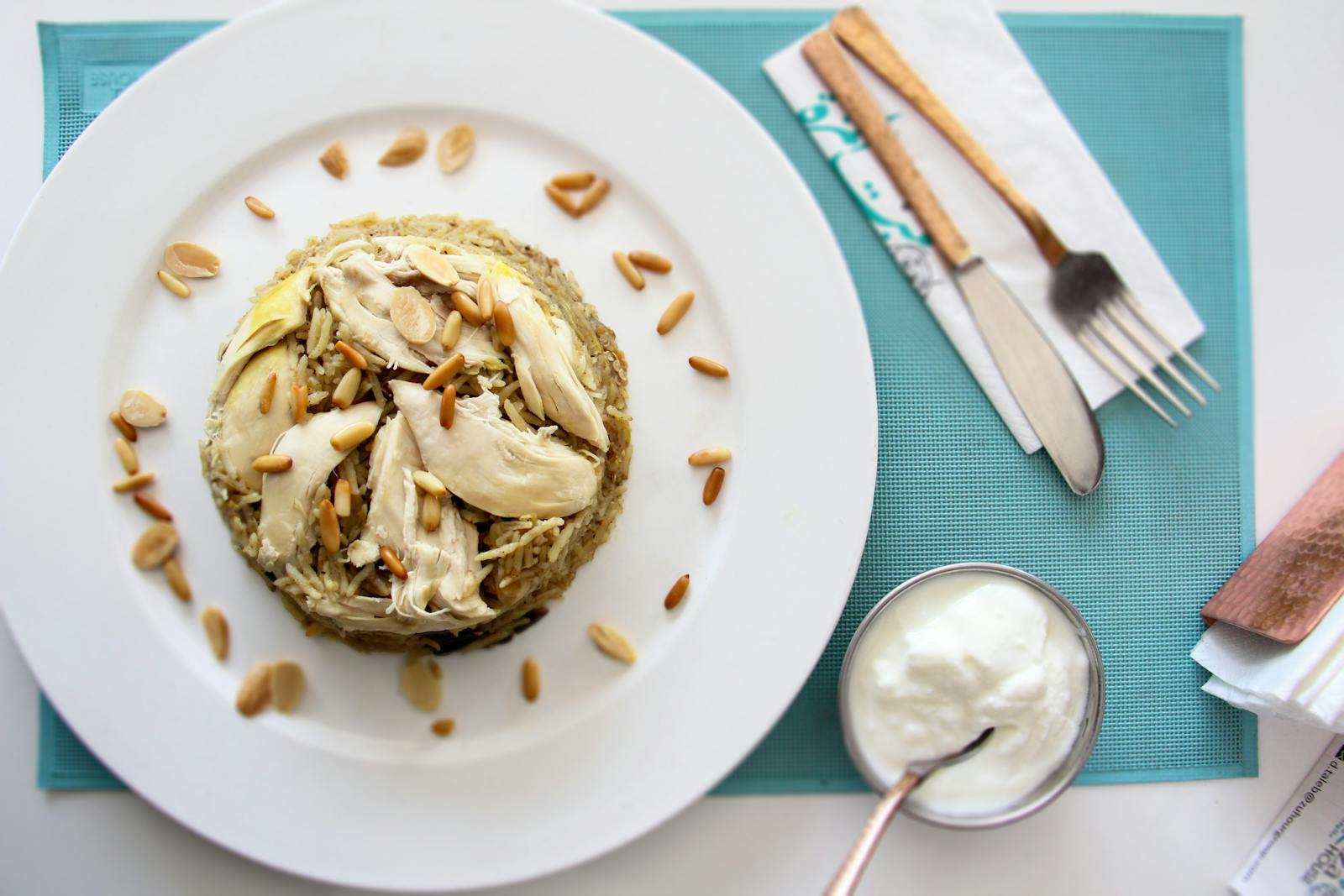
The first time I ate freekeh was in a back-alley restaurant in Beirut, served as a soupy chicken stew with a dusting of toasted pine nuts. The cook called it frik, the Levantine Arabic name. The flavor was extraordinary: smoky, nutty, almost like the grain had been kissed by fire. Which, as it turns out, it had been. Freekeh is durum wheat harvested while still green, then roasted, threshed, and cracked. The processing is the entire story, and it produces a grain that tastes like nothing else in the wheat family.
The English-speaking food world discovered freekeh around 2010 and has been mostly confused about it ever since. This is the version a Mediterranean food historian tells.
Quick answer: Freekeh is young, green durum wheat, harvested while still soft, then roasted over an open fire and cracked, which gives it a distinctive smoky, nutty flavour. It is a 4,000-year-old Levantine staple, higher in protein and fibre than mature wheat, and cooks into a chewy pilaf or hearty soup. Because it is wheat, it contains gluten and is not gluten-free.
What is freekeh, actually?
Freekeh (also spelled frik or farik, from the Arabic word for “rubbed”) is durum wheat (Triticum durum) harvested in the green stage, when the kernels are still soft and milky. The harvested sheaves are piled and set on fire in a controlled burn that scorches the straw and outer husks but leaves the high-moisture kernels intact. After the burn, the grain is rubbed (hence the name) to remove the charred husks. The kernels are then sun-dried, cracked, and stored.
That entire process is ancient. References in the Levant go back at least 4,000 years, and the technique is still practiced in Lebanon, Syria, Jordan, Palestine, and parts of Egypt. The FAO summarises the agricultural method in its food-traditions archive.
The result is a grain with three things going for it that no other wheat product has:
- Smoky flavor, a direct consequence of the field roast.
- Higher protein and fiber than mature wheat: about 13g protein, 16g fiber per 100g per USDA FoodData Central, because the kernel was harvested before all its starch deposited.
- Distinctive bite, chewy, dense, with a faint crackle that disappears after a long simmer.
What is freekeh made from?
Durum wheat, the same hard amber-colored wheat used for pasta and bulgur. Modern durum and emmer wheat share a common tetraploid evolutionary ancestor; durum is the descendant that dominated the eastern Mediterranean by Roman times. The genetics matter: a reader who wants the deeper distinction between the tetraploid emmer lineage and the diploid einkorn one should see our emmer vs einkorn post. Freekeh and bulgur are made from the same plant, but freekeh is harvested immature and roasted, while bulgur is harvested mature and parboiled. The processing creates two completely different grains from the same field.
Is freekeh gluten-free?
No. Freekeh is durum wheat. It contains gluten, and is not safe for anyone with celiac disease or a wheat allergy. Despite some health-food marketing implying otherwise, the green harvest does not change the gluten content meaningfully. If you need a gluten-free alternative with similar protein and chew, see our is buckwheat gluten free post for the truly gluten-free pseudocereals.
How do you cook freekeh?
Two cuts are sold: cracked (the most common in US stores) and whole. The simmer method is the same as for farro, but timing differs.
| Cut | Soak | Simmer time |
|---|---|---|
| Cracked freekeh | None | 20-25 min |
| Whole freekeh | 1 hour | 40-45 min |
Basic method:
- Rinse 1 cup of freekeh under cool water for 20 seconds.
- Combine with 2.5 cups water (or broth) and 1 teaspoon salt in a saucepan.
- Bring to a boil, drop to a low simmer, cover.
- Cook for the time in the table above. Taste a kernel: tender with a slight chew at the center means done.
- Drain excess liquid if any remains, fluff with a fork.
One cup dry yields about 2.5 cups cooked. The cooked grain keeps 5 days in the fridge.
What does freekeh taste like?
Smoky, nutty, faintly grassy, with a clean wheaten finish. The smoke flavor is the unmistakable feature: people often compare it to the smokiness of a wood-fired pizza crust, or to faintly toasted sesame. If you have ever eaten muhammara, the Syrian roasted-red-pepper dip, the smoke note is similar.
The texture sits between bulgur and farro. Cracked freekeh is loose and almost couscous-like; whole freekeh is more like wheat berries with a satisfying chew.
Three classic freekeh dishes worth knowing
The dishes I have eaten most often through Lebanon, Jordan, and the Greek-American Levantine kitchens that shaped my own palate:
Frik bil dajaj (chicken freekeh soup). The dish I had in Beirut. Simmer cracked freekeh with a whole chicken, a stick of cinnamon, and a few cardamom pods until the chicken falls apart and the grain is soupy. Top with toasted pine nuts and a wedge of lemon. Comfort food that has been served at Levantine weddings and funerals for a thousand years.
Freekeh pilaf with lamb. Treat freekeh like rice. Brown cubes of lamb shoulder with onion and seven-spice, add cracked freekeh and 2.5x the volume of broth, simmer covered 25 minutes. Stir in toasted almonds and dried barberries at the end. Serve with yogurt and pomegranate seeds.
Freekeh tabbouleh. Substitute cooked, cooled freekeh for bulgur in a traditional tabbouleh: massive amounts of parsley, mint, tomato, scallion, lemon juice, and olive oil. The smoke flavor of freekeh against the lemon-and-mint brightness is electric.
What’s the difference between freekeh, bulgur, and farro?
This is the comparison most American shoppers want. All three are wheat-family grains processed in different ways, as the table shows.
| Grain | Wheat species | Processing | Best for |
|---|---|---|---|
| Freekeh | Durum (immature) | Green harvest + fire roast + crack | Smoky pilafs, hearty soups |
| Bulgur | Durum (mature) | Parboil + dry + crack | Tabbouleh, kibbeh, pilaf |
| Farro | Emmer/spelt/einkorn | Hull + dehull (sometimes pearl) | Salads, farrotto, soup |
Farro and freekeh are most often confused because both have a chewy texture and a vaguely “rustic ancient grain” marketing position. The flavors are entirely different. For a deep dive on farro specifically, see our how to cook farro guide and the spelt page (since spelt is one of the three grains sold as farro in Italy). For the cultural-historical context on a related Andean grain with a similar pre-Columbian-staple-rediscovered-by-the-West arc, our quinoa history is the companion piece.
If you have not eaten freekeh yet, start with a simple pilaf. Buy a bag of cracked freekeh from a Middle Eastern grocer (much cheaper than health-food stores), follow the method above, and serve it under roasted chicken thighs with a dollop of yogurt. By the second bowl, you will understand why this grain has fed people in the Levant for forty centuries and is only now starting to show up in American kitchens.
Frequently asked questions
How do you pronounce freekeh?
It is said “FREE-kah” (sometimes “FREE-kuh”), from the Arabic farik, meaning “rubbed,” after the step where the roasted husks are rubbed off the grain.
What is the difference between freekeh and bulgur?
Both are cracked durum wheat, but the harvest and processing differ. Freekeh is picked young and green, then fire-roasted, which gives it a smoky flavour; bulgur is harvested fully mature, then parboiled and dried. Freekeh is chewier and smokier; bulgur is milder and quicker-cooking.
Is freekeh healthier than rice?
For most measures, yes. Freekeh carries more protein and considerably more fibre than white rice, and its lower glycemic impact makes it more filling. It is not gluten-free, though, so rice still wins for anyone avoiding gluten.
Build your ancient-grain pantry
Stock up from our full lineup of heritage and gluten-free grains, flours, and whole grains.
Browse all grains →