 By Hannah Nordstrom · Published · 1216 words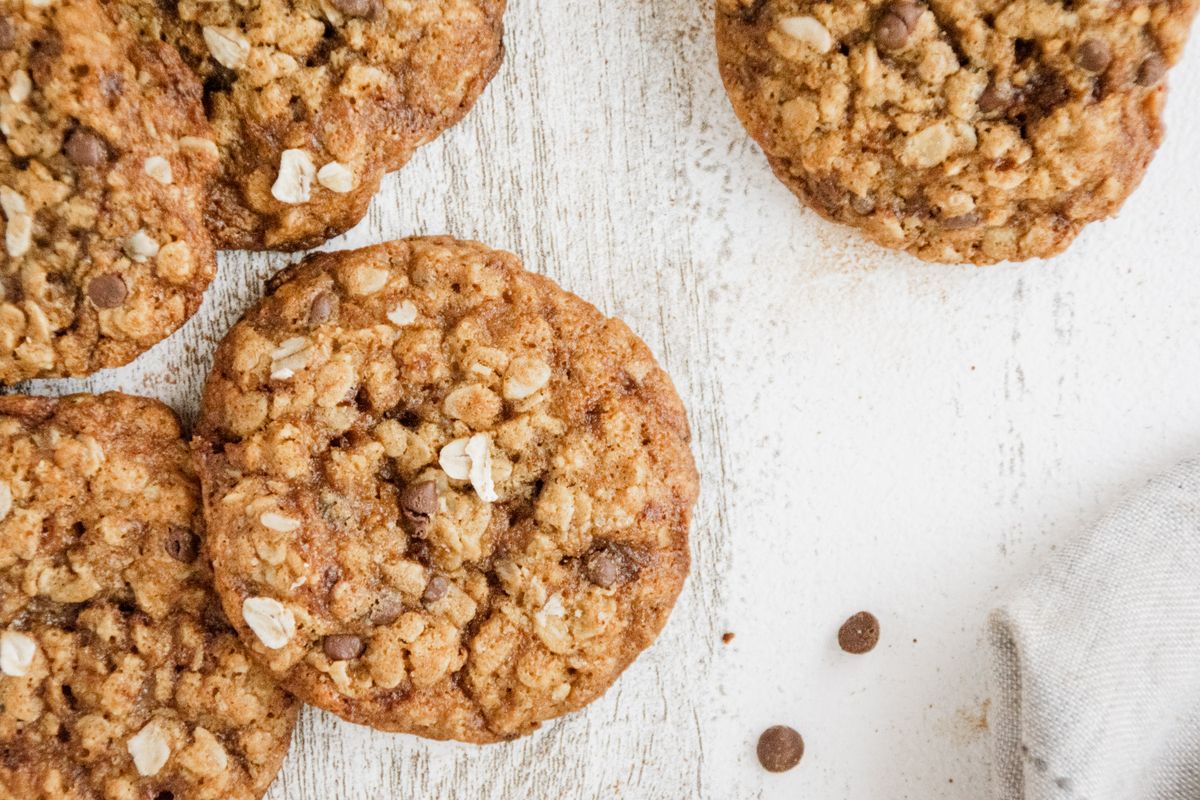
No-bake oatmeal cookies are the recipe every Midwestern and Scandinavian-American kitchen I grew up around kept in permanent rotation: cocoa, butter, sugar, and peanut butter boiled into a fudge, oats stirred through, dropped in mounds, done. No oven, which matters in August, and no mixer, which matters always. But no bake oatmeal cookies have one famous failure mode, the batch that never sets, and it comes down to a single minute at the stove. This is the classic recipe with the timing that makes it reliable.
Quick answer: To make no-bake oatmeal cookies, boil sugar, milk, butter, and cocoa for exactly one minute at a full rolling boil, then stir in peanut butter, vanilla, and oats off the heat and drop spoonfuls onto parchment to set for 30 minutes. The one-minute boil is the whole trick: too short and the cookies stay gooey, too long and they turn dry and crumbly. They are naturally flourless, and made with certified gluten-free oats they are gluten-free too.
How do you make no-bake oatmeal cookies?
One saucepan, one spoon, six ingredients you already have. Here is the classic chocolate peanut butter version.
- 300 g (1 1/2 cups) granulated sugar
- 120 ml (1/2 cup) whole milk
- 113 g (1/2 cup) butter
- 25 g (1/4 cup) cocoa powder
- 130 g (1/2 cup) peanut butter
- 1 tsp vanilla extract
- 1/4 tsp fine salt
- 270 g (3 cups) quick oats (certified gluten-free if needed)
- Line two trays with parchment before anything touches the stove; the mixture sets fast once it is off the heat.
- Boil the base for exactly one minute. Combine the sugar, milk, butter, and cocoa powder in a saucepan over medium heat, stirring until it reaches a full rolling boil that you cannot stir down. Then time 60 seconds and pull the pan off the heat. The whole stove stage runs about 5 minutes.
- Stir in the peanut butter, vanilla, and salt off the heat until smooth.
- Stir in the oats until every flake is coated in the chocolate fudge.
- Drop tablespoon-size mounds onto the parchment, working quickly while the mixture is still loose.
- Let them set for 30 minutes at room temperature until firm enough to lift cleanly.
Why won’t my no-bake cookies set?
Almost always because the boil was too short, and the sugar never reached the soft-ball stage that firms as it cools. The fix is precision: wait for a full rolling boil, one you cannot stir down, and only then start a 60-second timer. Starting the count when the first bubbles appear is the classic mistake, and it leaves the sugar syrup too wet to set no matter how long the cookies sit. Humid days work against you too, so on a sticky August afternoon give the boil an extra 10 to 15 seconds. If a batch refuses to firm up, do not throw it out: chill it and serve it by the spoonful over ice cream, a fate nobody has ever complained about.
What oats work best for no-bake cookies?
Quick oats are the classic choice, because their thin, small flakes soften almost instantly in the hot fudge and bind the cookie tight. Old-fashioned rolled oats work too and give a chewier, more rustic drop; pulse them a few times in a blender if you want them closer to quick-oat texture. Steel-cut oats do not work at all, since there is no bake time to soften them. Whichever you use, oats only carry a gluten-free label when they are milled away from wheat, as our is oatmeal gluten-free explainer covers, so reach for certified gluten-free rolled oats if anyone at the table has celiac disease. The oat grain page has the full story on why this humble flake binds so well.
Can you make no-bake oatmeal cookies without peanut butter?
Yes, and the swap is one-to-one. Any seed or nut butter works: sunflower seed butter keeps them school-safe, almond butter tastes slightly cleaner against the cocoa, and tahini makes a surprisingly grown-up cookie. You can also skip the nut butter entirely and add an extra 30 g of butter with 2 extra tablespoons of oats, which is the old “plain fudge” version. A spoonful of chia seeds stirred in with the oats helps the nut-free versions firm up, since chia absorbs the moisture the peanut butter would have.
How do you store no-bake cookies?
Airtight at room temperature they keep about a week, with a sheet of parchment between layers so they do not glue themselves together. The refrigerator firms them up further and stretches them to two weeks, which some people prefer in summer. They also freeze beautifully for up to three months; thaw them at room temperature for 15 minutes, or eat them frozen, which is a legitimate Scandinavian move with coffee. If yours never last long enough to store, our gluten-free cookies master dough gives the oven-baked side of the tin the same treatment.
Where to go from here
No-bake cookies are the friendliest possible introduction to sugar work: one boil, one timer, and you have learned the same soft-ball instinct that fudge and caramel run on. From here, the oat pantry goes deep on this site, from overnight oats to oat flour recipes to the crunchy streusel on an apple crisp with oats, and the oat grain page covers the nutrition that makes these cookies more redeemable than most sweets, thanks to the beta-glucan fiber the USDA’s FoodData Central documents for oats. Keep quick oats in the cupboard and dessert is never more than 45 minutes away, oven off.
Frequently asked questions
Are no-bake oatmeal cookies gluten-free?
Naturally they contain no flour, so the only gluten risk is the oats themselves, which are usually cross-contaminated with wheat during milling. Made with certified gluten-free oats, per the Celiac Disease Foundation’s guidance, they are fully gluten-free.
Can I use old-fashioned oats instead of quick oats?
Yes. The cookies come out chewier and looser, and they take a few extra minutes to set. For a tighter classic texture, pulse old-fashioned oats briefly in a blender to break the flakes down first.
Why are my no-bake cookies dry and crumbly?
The opposite failure of not setting: the boil ran long, or past the one-minute mark, and too much moisture cooked off. Keep the timer honest at 60 seconds from a full rolling boil and they will land fudgy in the middle.
Can I make no-bake oatmeal cookies vegan?
Yes: swap the butter for a firm plant butter and the milk for full-fat oat or soy milk. The sugar and boil do the setting, not the dairy, so the mechanics are unchanged.
Stock the one ingredient that matters
A bag of certified gluten-free rolled oats works for every oat bake on this site, no-bake drops included.
Shop certified oats →Explore the whole oat pantry
Oats, chia, and the rest of the whole grains we cook with, profiled with nutrition and recipes.
Browse all grains →