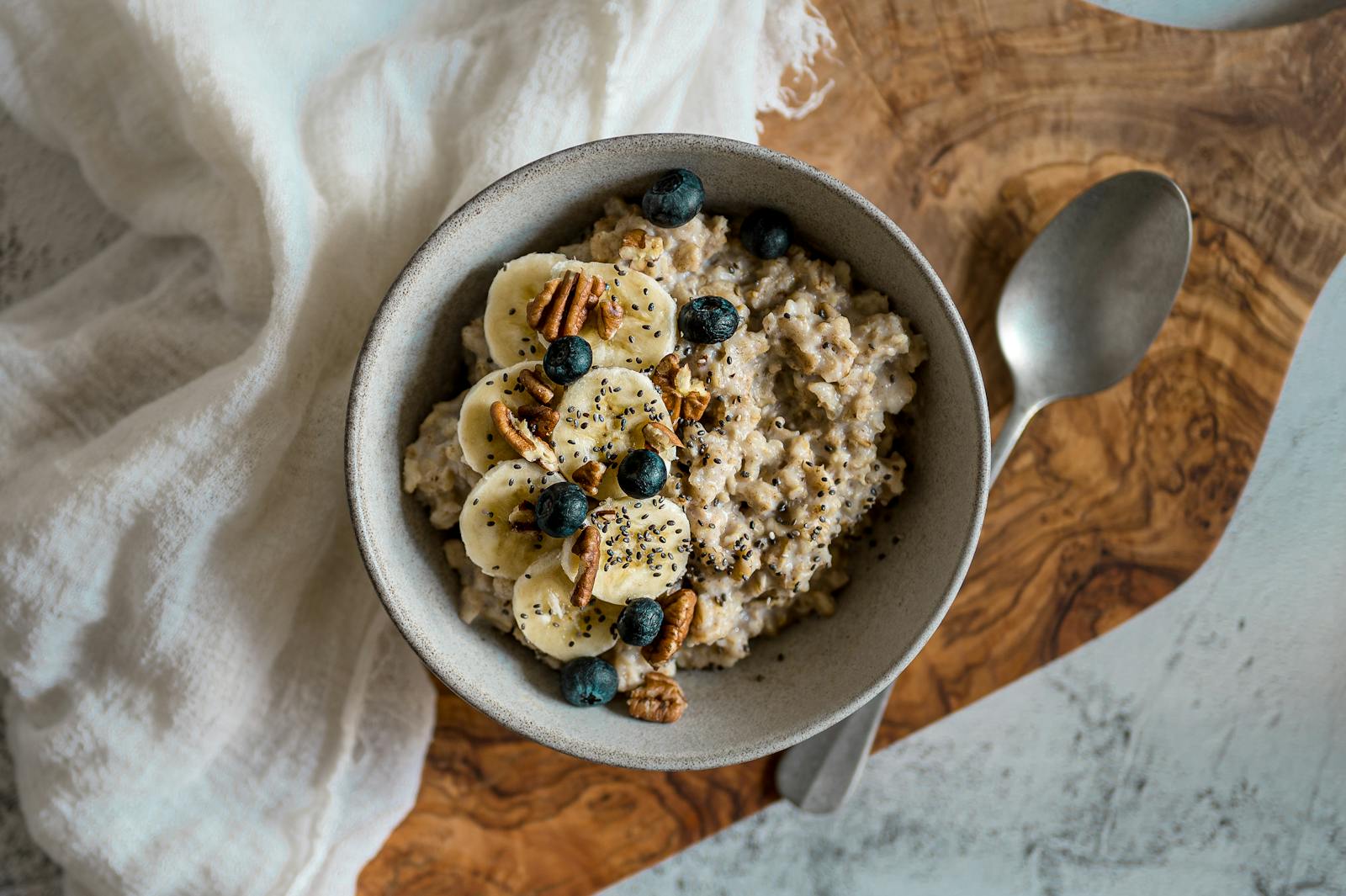
The is oatmeal gluten free question is the one I most have to qualify in the clinic, because the simple yes-or-no answer is misleading either way. The oat plant itself is naturally gluten-free, full stop. Oats are a separate cereal genus (Avena sativa) and do not produce wheat-family gluten. But almost every bowl of supermarket oatmeal in North America is cross-contaminated with enough wheat to be unsafe for someone with celiac disease. The yes-and-no answer is the whole point of this post, and getting it right is the difference between safe gluten-free eating and a steady low-grade gluten exposure that can take months to diagnose.
So the headline: yes, oats are gluten-free at the botanical level. But oatmeal is only gluten-free in practice when it is specifically certified gluten-free. That distinction is the most consequential nuance in a celiac diet, and the rest of this post is about getting it right.
Quick answer: The oat plant is naturally gluten-free, but most commercial oatmeal is cross-contaminated with wheat during crop rotation, harvest, and milling, so it is not safe for celiacs. Only oatmeal specifically certified gluten-free (a GFCO, NSF, or CSA seal) is reliably safe. A small share of celiacs, about 5 to 10 percent, also react to avenin, the oat protein, even in certified oats.
Why is the answer to “is oatmeal gluten free” complicated?
There are two reasons, both supply-chain rather than biology.
- Oats are routinely grown in rotation with wheat. A farm growing wheat one year often plants oats the next on the same field. Stray wheat plants (volunteers) come up in the oat crop, and they get harvested with the oats. There is no easy way to remove them at the field level.
- Oats are harvested and milled with shared equipment. The same combine that cut wheat last week will cut oats next week. The same trucks transport both. The same mills grind both. Trace wheat contamination is baked into the supply chain.
The result: regular supermarket oatmeal commonly tests at 100-500 parts per million of gluten, sometimes higher. The FDA’s “gluten free” threshold is less than 20 ppm. Regular oatmeal exceeds the threshold by an order of magnitude, even though the oats themselves contain none.
The Celiac Disease Foundation’s oat guidance is unambiguous on this: people with celiac disease should only eat oats labeled and certified gluten-free, not standard oats.
What about brand X oatmeal? Is Quaker oatmeal gluten free?
Most standard Quaker Oats products are not gluten-free. They are made from oats that have not been processed in a dedicated gluten-free facility. Quaker does produce a separate “Quaker Gluten Free” line, sold in different packaging and made on dedicated lines, and that line is certified gluten-free. The two product lines are very easy to confuse on a grocery shelf, and confusing them is the single most common gluten-free-diet mistake I see in the clinic.
The same caveat applies to almost every major American brand:
| Brand | Standard product | Certified GF line available? |
|---|---|---|
| Quaker | Not GF | Yes, separate Quaker Gluten Free line |
| Bob’s Red Mill | Some GF, some not | Yes, look for the GFCO seal |
| Trader Joe’s | Some GF, some not | Yes, the rolled oats line is certified |
| Costco / Kirkland | Generally not GF | Yes, the organic line is GFCO-certified |
| Starbucks/Dunkin oatmeal | Almost never GF | No |
| McDonald’s Fruit & Maple Oatmeal | Not GF | No |
The reliable rule: never assume oatmeal is gluten-free from the name on the package. Look for one of the third-party certification seals: GFCO (the circled GF), NSF Gluten-Free, or the Celiac Support Association seal. The bare phrase “gluten-free” on packaging is permitted under the FDA’s 20-ppm rule, but third-party certification adds an independent testing layer that genuinely matters for celiac safety.
Is instant oatmeal gluten free?
Instant oatmeal is even more cross-contamination-prone than rolled oats because it is more heavily processed, often with added flavourings, sweeteners, or wheat-based binders. Most flavoured instant oatmeal packets are not gluten-free. The dedicated Quaker Gluten Free Instant Oatmeal product is certified, but the standard “Quaker Instant Oatmeal” line is not. Read the package every time.
Can people with celiac disease eat certified gluten-free oats?
Most can. A small but real fraction (roughly 5-10% of celiac patients, depending on which study you read) react to avenin, the oat-specific prolamin protein. Avenin shares some sequence similarity with wheat gliadin, and in a subset of celiacs the immune system cross-reacts.
The practical guidance most coeliac specialists give:
- Start small. If you are newly diagnosed and want to add oats to your diet, introduce certified GF oats slowly over a few weeks, watching for symptoms.
- Get tested if uncertain. Persistent symptoms on certified GF oats should prompt a conversation with your gastroenterologist about avenin sensitivity, which can be confirmed with a follow-up biopsy or antibody panel.
- Watch the symptoms, not the label. Even within the certified-GF category, brand-to-brand variation in tolerance is reported anecdotally.
The research from Gluten Free Watchdog and Tricia Thompson covers brand-level testing of certified GF oats in detail; the variation in actual gluten content between certified brands is real and worth understanding for very-sensitive consumers.
Is the oatmeal at Starbucks, Dunkin, or McDonald’s gluten free?
Almost universally, no. Even when the underlying oats came from a certified-GF supplier, the oatmeal is then prepared and served in kitchens that handle wheat-based products (pastries, bread, croutons). Cross-contamination at the point of preparation defeats whatever certification the upstream supplier achieved.
For celiac consumers eating out, the safest oatmeal option is almost always “the one I brought from home in a thermos.” The next-safest is a dedicated gluten-free café that handles no gluten-containing foods. The third option is “no oatmeal here.” Skip it.
How does oatmeal compare to other gluten-free grains?
Here is a quick reference for the gluten-free pantry.
| Grain | Naturally GF? | Cross-contamination risk |
|---|---|---|
| Oats (uncertified) | Yes | Very high (usually contaminated) |
| Oats (certified GF) | Yes | Low (the certification handles it) |
| Quinoa | Yes (see is quinoa gluten free) | Very low |
| Buckwheat | Yes (see is buckwheat gluten free) | Low |
| Rice | Yes | Very low |
| Sorghum | Yes | Low |
| Millet | Yes | Low |
| Wheat / Rye / Barley | No | Always contains gluten |
The oats row stands out: it is the one grain on the list where the certification matters as much as the species. For the rest of the gluten-free landscape, our gluten-free grains hub covers the broader question, and the contains-gluten side of the conversation lives in our is rye bread gluten free and is sourdough bread gluten free posts. The heritage-wheat trap (some “ancient grains” are actually wheat) is covered in our emmer vs einkorn comparison.
For the practical use of oats in the kitchen, our oat flour pancakes and how to make overnight oats posts cover the recipe side. For a parallel pseudocereal story to oats’ “the species is safe but the supply chain isn’t” plot, our quinoa history and quinoa flour posts cover quinoa (where cross-contamination is a much smaller risk than oats).
What should I actually buy?
Here is a practical clinic-level recommendation.
- For celiac disease: buy certified gluten-free oats only. Bob’s Red Mill GFCO-certified rolled oats are the most reliable widely-available pick in the US. Quaker Gluten Free is fine, just confirm the package matches the GF line, not the regular line.
- For non-celiac wheat sensitivity: standard oats often work, but watch for symptoms over a 2-week trial.
- For curiosity, no diagnosed sensitivity: any oats are fine, but the nutritional and digestibility difference between certified GF oats and regular oats is negligible.
The USDA FoodData Central oats entry puts cooked oats at roughly 71 kcal, 2.5g protein, and 1.7g fibre per 100g, with notably high beta-glucan (the soluble fibre linked to LDL cholesterol reduction). The species nutrition is excellent. The supply chain is the variable.
So: yes, oatmeal is gluten-free at the species level. No, most of it is not safe for celiac consumption. Buy certified, read the label every time, and never assume from the brand name alone.
Frequently asked questions
Are steel-cut oats gluten-free?
Same as rolled oats: the oat itself is gluten-free, but steel-cut oats are only celiac-safe when certified, because they travel the same wheat-contaminated supply chain. Buy a certified steel-cut oat if you have celiac disease.
Is oat flour gluten-free?
Only if it is milled from certified gluten-free oats. Oat flour carries the exact same cross-contamination risk as whole oats, so an uncertified oat flour can hold well over the 20 ppm gluten threshold.
Does cooking oatmeal remove the gluten?
No. Gluten is heat-stable, and cooking cannot remove the stray wheat that contaminates uncertified oats. The only way to make oatmeal safe for a celiac is to start with certified gluten-free oats.
Stock up on Oats
See our hand-picked Oats, from flour to whole grain, with the brands worth buying.
Shop Oats →