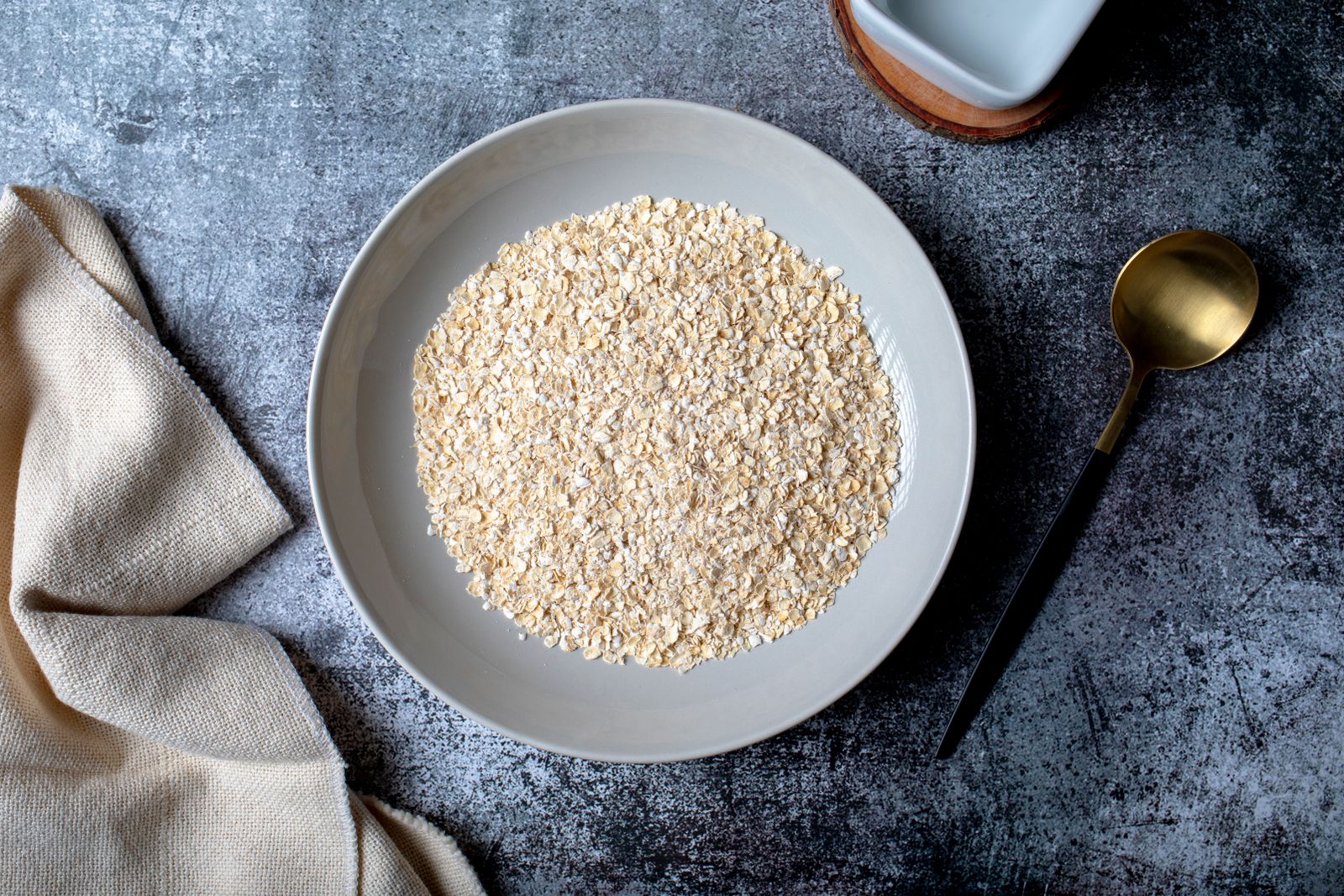
Oat bran is one of those quietly excellent foods that never gets the attention oatmeal does, which is a shame, because spoon for spoon it does more for you. If you have been reaching for rolled oats out of habit, here is what oat bran is, how to cook it, and why I recommend it to clients watching their cholesterol or their fiber.
Quick answer: Oat bran is the fibre-rich outer layer of the oat groat, sold on its own. It is where most of the oat's soluble beta-glucan fibre lives, so it delivers more fibre and protein than oatmeal for fewer calories, with a smoother, creamier texture. It cooks in about three minutes (one part bran to two parts liquid), and roughly 3 grams of its beta-glucan a day can modestly lower LDL cholesterol.
What is oat bran?
Oat bran is the outer layer of the oat groat, the part just under the inedible hull. When oats are processed, that bran layer can be separated out and sold on its own. It is not a whole grain by itself, but it is the most nutrient-dense part of the grain, concentrated in fiber, protein, and minerals. You can read more about the whole grain it comes from on our oat page.
The key thing to understand is that oat bran is where most of the oat’s soluble fiber lives, a specific type called beta-glucan. That single fact explains nearly all of its benefits.
Oat bran vs oatmeal: what’s the difference?
People use these names loosely, so let me draw a clean line. Oatmeal is made from the whole oat groat, usually rolled or steel cut. Oat bran is only the bran layer. Here is how they compare per cooked cup.
| Per cooked cup | Oat bran | Rolled oatmeal |
|---|---|---|
| Calories | 88 | 166 |
| Protein | 7 g | 6 g |
| Total fiber | 6 g | 4 g |
| Soluble (beta-glucan) fiber | higher | lower |
| Texture | smooth, soft | chewier |
The headline: oat bran delivers more fiber and protein for fewer calories, with a softer, creamier texture. Oatmeal, being the whole groat, still has plenty going for it and more chew, so this is not a case of one being good and the other bad. If you prefer the bite of whole oats, our guide to cooking steel cut oats covers that side.
How do you cook oat bran?
It is faster than oatmeal, which surprises people. The standard ratio is 1 part oat bran to 2 parts liquid.
- Bring 2 cups water or milk to a gentle boil with a pinch of salt.
- Whisk in 1/2 cup oat bran (whisking, not stirring, keeps it from clumping).
- Cook 2 to 3 minutes, stirring, until thick and creamy.
- Take it off the heat and let it stand a minute. It thickens as it cools.
That makes two servings. The whisk is the one trick worth remembering: oat bran sets quickly, so adding it to already-hot liquid while whisking gives you a smooth bowl instead of lumps.
Is oat bran good for lowering cholesterol?
This is the benefit with the strongest evidence behind it, so let me be precise rather than oversell. The beta-glucan fiber in oat bran forms a gel in your gut that binds cholesterol-rich bile acids and carries them out, which prompts your body to pull cholesterol from the blood to make more. Multiple controlled trials indexed in the National Library of Medicine show that about 3 grams of beta-glucan a day can modestly lower LDL cholesterol.
A realistic expectation: this is a helpful nudge as part of an overall pattern, not a statin replacement. Roughly 3/4 cup of dry oat bran gets you in that beta-glucan range. Pair it with the rest of a heart-friendly diet and it earns its place.
What else is oat bran good for?
Beyond cholesterol, the same soluble fiber does a few more useful things, according to nutrient data from USDA FoodData Central.
- Steadier blood sugar. The gel slows digestion, blunting the post-meal glucose spike. Useful for anyone managing insulin response.
- Fullness. That slow digestion keeps you satisfied longer, which is why oat bran is a quiet ally for weight management.
- Digestive regularity. The fiber adds bulk and feeds beneficial gut bacteria.
Barley shares this same beta-glucan strength, so if oat bran appeals to you, barley is worth a look too. And no, oat bran is not for everyone every day. If you are not used to much fiber, increase slowly and drink water, or it can leave you bloated.
Can you bake with oat bran?
Yes, and oat bran muffins are the classic for good reason. Oat bran adds moisture, a tender crumb, and a nutty flavor to muffins, pancakes, and quick breads. Swap it for up to about a third of the flour in a recipe, or stir a few spoonfuls into batter for a fiber boost without changing the texture much. For a fuller baking swap, our notes on oat flour recipes are a good companion. One thing to confirm if you are gluten-sensitive: oats need a certified label, which we explain in our piece on whether oatmeal is gluten free.
Frequently asked questions
Is oat bran gluten-free?
The oat plant is gluten-free, so oat bran contains no gluten of its own, but ordinary oats are cross-contaminated with wheat during growing and milling. If you have celiac disease, buy oat bran with a certified gluten-free label, the same rule our is oatmeal gluten free post lays out.
Can you eat oat bran raw?
Yes. You do not have to cook it; stir a spoonful of raw oat bran into yogurt, a smoothie, or overnight oats for a fibre boost. Cooking just makes it into a smooth hot cereal, but the beta-glucan works either way.
How much oat bran should you eat a day?
About 3/4 cup of dry oat bran supplies the roughly 3 grams of beta-glucan linked to lower LDL cholesterol. If you are not used to much fibre, work up to that amount gradually and drink plenty of water, or it can cause bloating.
Stock up on oats
See our pick of oats, from bran-rich whole oats to oat flour, with the brands worth buying.
Shop oats →