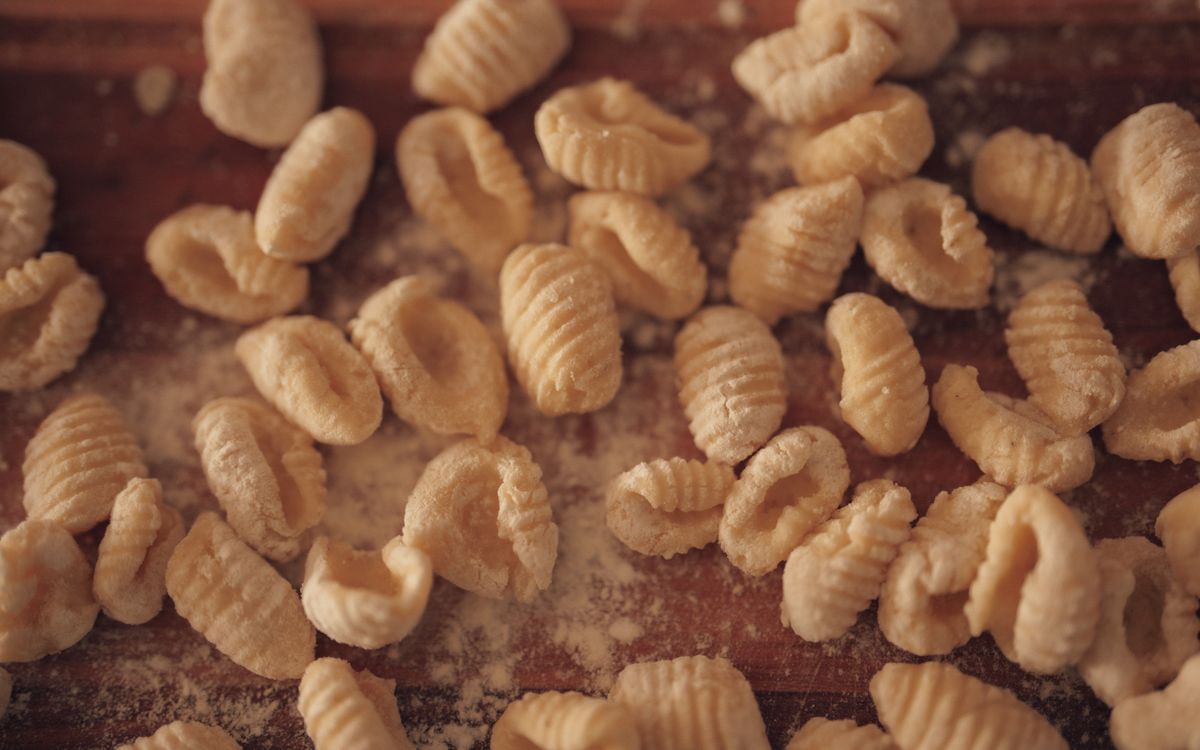
There is a persistent myth that semolina flour is some kind of health food or a gentle alternative to regular flour. It is neither, and I say that as someone who keeps a bag of it in the pantry at all times. Semolina is coarsely ground durum wheat, the golden, gritty flour that makes real pasta taste like real pasta, and it is one of the highest-gluten flours you can buy. It is not a diet food and it is not celiac-safe. What it is, is the single best flour for pasta, couscous, and a properly crisp pizza base, and once you understand what it actually is, you will use it better.
Quick answer: Semolina flour is coarsely ground durum wheat, the golden, gritty, high-gluten flour behind real pasta. It is not a health food and not gluten-free; durum is one of the most gluten-rich wheats, which is exactly what gives pasta its firm bite. It shines in pasta, couscous, gnocchi, and as a dusting or 10 to 20 percent of a pizza dough. The closest substitute is fine durum flour, then bread flour.
What is semolina flour?
Semolina is the coarsely milled endosperm of durum wheat, a hard, high-protein wheat species distinct from the common wheat in your all-purpose bag. When durum is milled, the coarse, sandy, pale-gold granules left after the finest flour is sifted out are semolina. That gritty texture and deep yellow color are the giveaways: run it between your fingers and it feels more like fine sand than powder. The color comes from natural carotenoid pigments in durum, the same family of compounds that make einkorn and other ancient wheats golden.
Durum itself is a tetraploid wheat, meaning it carries four sets of chromosomes, which puts it in the same branch of the wheat family as emmer and khorasan rather than modern bread wheat. That heritage is part of why it behaves so differently in the kitchen, and the same reason khorasan flour reads as high-protein on the bag yet slack in the bowl.
Is semolina flour gluten-free?
No, and this is the misconception worth killing first. Semolina is durum wheat, and durum is one of the most gluten-rich wheats grown, with protein levels around 13 percent. It is emphatically not safe for anyone with celiac disease or a wheat allergy, and no amount of “ancient” or “artisan” branding changes that. If you need a genuinely safe flour, our gluten-free grains guide maps the real options, and the wheat flour alternatives piece covers the substitutes that work. Semolina’s high gluten is exactly what makes it brilliant for pasta and useless for a gluten-free kitchen.
What is semolina flour used for?
Pasta, above all, plus couscous, gnocchi, bread, and pizza. That strong gluten and low water absorption are what let extruded pasta hold a firm, springy bite instead of turning to mush, which is why every box of good dried pasta lists durum semolina as its only grain; our semolina pasta guide covers why durum is the only wheat that makes the real thing. Beyond the pasta pot, semolina is the base of North African couscous (steamed, rolled granules of it), of Italian gnocchi and cavatelli, of Indian sooji and rava dishes, and of sweet semolina puddings and halva across the Mediterranean and South Asia; its common-wheat cousin farina is the base of cream of wheat. Bakers also use it to dust peels and pans, where its coarse grains act like tiny ball bearings that keep dough from sticking. A good durum semolina flour is worth keeping around for all of it.
What is the difference between semolina and all-purpose flour?
They come from different wheat species and behave nothing alike. All-purpose flour is finely milled common (bread) wheat; semolina is coarsely milled durum. The practical differences in texture, color, and best use all follow from that split in wheat species and grind.
| Flour | Wheat | Texture | Color | Best for |
|---|---|---|---|---|
| Semolina | Durum (hard) | Coarse, gritty | Golden | Pasta, couscous, dusting |
| All-purpose | Common wheat | Fine, powdery | Off-white | Everyday baking |
| Durum flour (semola rimacinata) | Durum (hard) | Fine | Golden | Fresh pasta, bread |
Note that last row: “durum flour” or semola rimacinata is the same durum wheat as semolina, just milled fine instead of coarse. Italian cooks reach for the fine grind for silky fresh pasta and the coarse semolina for dried and extruded shapes. For how protein content drives flour behavior more generally, our bread flour vs all-purpose flour comparison covers the same gluten logic that makes semolina so firm.
What can you substitute for semolina flour?
The closest swap is fine durum flour, and after that bread flour, depending on what you are making. If you just need semolina’s coarse texture for dusting a pizza peel, plain cornmeal works nearly as well. For pasta dough, bread flour is the usual stand-in, since it is the highest-protein common-wheat flour and gets you closest to durum’s structure, though the result will be paler and a touch softer. All-purpose flour will make pasta in a pinch but the noodles turn out limp, which is exactly the difference semolina is there to prevent. What you cannot do is substitute a gluten-free flour and expect the same bite, because the bite is the gluten.
Can you use semolina flour for pizza?
Yes, in two distinct ways, and they are worth keeping separate. The most common use is dusting: a scatter of semolina on your peel or work surface lets a stretched pizza slide cleanly into the oven without sticking or tearing, and it leaves an appealing rustic crunch on the bottom crust. The second use is in the dough itself, where swapping 10 to 20 percent of the flour for semolina adds chew and a golden, crisp base. Neapolitan purists stick to fine 00 flour, but plenty of excellent home and Roman-style pizzas lean on semolina for exactly that texture.
Where to go from here
Semolina is proof that “refined” and “worth buying” are not opposites: it is a refined flour that happens to be the best tool for its job. If durum’s ancient-wheat cousins interest you, the emmer and khorasan grain pages cover the other tetraploid wheats (what is Kamut explains khorasan’s trademarked name), and our wheat flour alternatives guide handles the gluten-free side of the flour aisle. Keep a bag of semolina for pasta night and one of all-purpose for everything else, and you have most of a kitchen covered.
Frequently asked questions
Is semolina the same as cornmeal?
No, though they look alike. Both are coarse and golden, but semolina is milled from durum wheat and contains gluten, while cornmeal is ground corn and is naturally gluten-free. They are not interchangeable in pasta, and only cornmeal is safe for celiacs.
Is semolina flour healthy?
It is nutritious but not a health food. Semolina is refined durum, so it is protein-rich (around 13 percent) but has had most of the bran removed; it is not a whole grain unless you buy whole-durum flour. It is also full-gluten and unsafe for celiacs.
Can you bake bread with semolina flour?
Yes. Semolina makes excellent bread, such as Italian pane di semola, giving a golden crumb and a crisp crust. It is often blended with bread flour rather than used alone, because 100 percent semolina dough can be dense and harder to handle.
Bake and cook with real durum semolina
The high-protein flour behind proper pasta, couscous, and gnocchi, and the best dusting for peels and pans.
Shop semolina flour →Explore durum's ancient cousins
See our hand-picked emmer and khorasan, the heritage tetraploid wheats, from flour to whole grain.
Shop emmer →