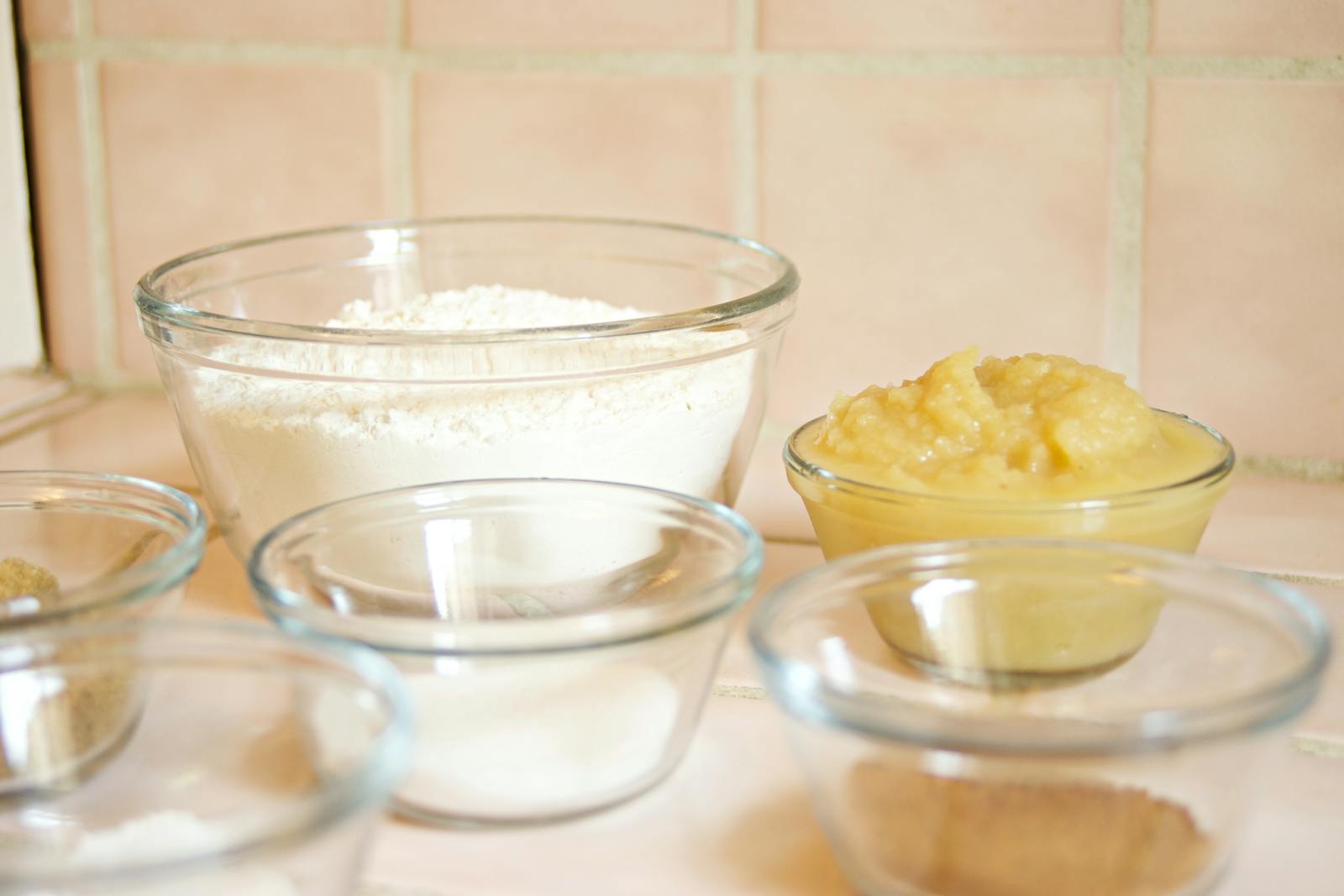
The first thing I ask anyone looking for wheat flour alternatives is why. It is not a nosy question. It is the question that decides the entire answer, because two very different groups search for this and they need opposite advice. I bake in a Minnesota kitchen built on Scandinavian habits, where rye and barley were always as ordinary as wheat, so I have spent my whole baking life working with non-wheat flours. Here is what I have learned about choosing the right one.
If you are avoiding gluten, your wheat flour alternatives are the naturally gluten-free flours: almond, oat, sorghum, buckwheat, rice, chickpea, coconut. If you are avoiding modern wheat specifically (for digestion or preference) but gluten itself is fine, your alternatives include the heritage wheats, which still contain gluten. Those are two different lists. Mixing them up is the single most common mistake I see.
Quick answer: The right wheat flour alternative depends on why you are avoiding wheat. If you need to avoid gluten, use naturally gluten-free flours (almond, oat, sorghum, buckwheat, rice, chickpea, coconut), and blend them, since none works one-to-one alone. If you only want to avoid modern wheat but gluten is fine, the heritage wheats (einkorn, emmer, spelt, khorasan) are an option, though they still contain gluten and are not celiac-safe.
Why do you want a wheat flour alternative?
Be honest with yourself about the reason, because it changes everything that follows.
- Coeliac disease or a wheat allergy: you need a strictly gluten-free flour, and cross-contamination matters. Heritage wheats are not an option.
- Non-coeliac gluten or wheat sensitivity: gluten-free flours work, and some people in this group also tolerate heritage wheats better than modern wheat.
- Curiosity, flavour, or nutrition: the whole range is open to you, including heritage wheats and whole-grain flours.
Our gluten-free grains guide is the companion piece if your reason is gluten avoidance. It covers which grains are safe and which “ancient grains” are secretly wheat.
What are the best gluten-free wheat flour alternatives?
No single gluten-free flour behaves like wheat, because none of them have gluten, the protein that gives wheat dough its stretch and structure. Each one trades that away for a different strength, as the table below shows.
| Flour | Behaviour | Rough sub for wheat | Best for |
|---|---|---|---|
| Almond flour | Moist, rich, no binding | 1:1 by volume in cakes, not bread | Cakes, cookies, low-carb bakes |
| Oat flour | Mild, soft, mild binding | 1:1 in pancakes and muffins | Pancakes, quick breads, cookies |
| Sorghum flour | Mild, slightly sweet, fine | 25-30% of a blend | Blends, quick breads, all-rounder |
| Buckwheat flour | Earthy, strong, dense | 25-50% of a blend | Pancakes, crepes, strong-flavour bakes |
| Rice flour (brown) | Neutral, slightly gritty | filler in blends | Blends, thickening, shortbread |
| Chickpea (besan) flour | Savoury, high protein, binds well | savoury use, not 1:1 | Flatbreads, fritters, savoury batters |
| Coconut flour | Extremely absorbent | never 1:1, ~1/4 the amount plus extra egg | Dense cakes, low-carb baking |
The most important rule: no single gluten-free flour substitutes 1:1 for wheat in bread. A good sorghum flour has flavour and nutrition but no structure; rice flour and starch add lightness but no flavour; a binder replaces what gluten did. You combine them. Our sorghum flour post goes deep on this blending logic, and our buckwheat pancake recipe shows a single-flour bake that works precisely because eggs do the binding.
What is a simple all-purpose gluten-free flour blend?
This is the blend I keep in a jar as a genuine 1:1 wheat-flour stand-in for most baking.
- 40% brown rice flour (structure and neutral base)
- 30% sorghum flour (flavour and nutrition)
- 30% tapioca or potato starch (lightness and binding)
- Plus xanthan gum: 1/4 teaspoon per cup for cakes, up to 1 teaspoon per cup for bread
Mix a large batch and store it cold. With the xanthan gum included, this blend behaves close enough to all-purpose wheat flour that most cake, muffin, and cookie recipes work without further adjustment. Bread still wants its own dedicated recipe.
Is there a whole wheat flour alternative specifically?
If you are replacing whole wheat flour, you usually want a whole-grain gluten-free flour so you keep the fibre and nutrition. Sorghum, buckwheat, brown rice, and oat flour are all whole-grain. Avoid white rice flour and refined starches as a straight whole-wheat swap, since they strip out exactly the fibre you were keeping. A blend of sorghum and buckwheat comes closest to the hearty character of whole wheat.
What about heritage wheat as an alternative?
If your goal is to get away from modern industrial wheat but gluten itself is not the problem, the heritage wheats are worth knowing. Einkorn, emmer wheat, spelt, and Khorasan are older wheat species with different gluten structures. Some people report they digest them more comfortably, though the evidence is mostly anecdotal and these grains absolutely still contain gluten.
To be completely clear: heritage wheats are not gluten-free and are not safe for coeliacs. Our emmer vs einkorn comparison covers how these grains differ from modern wheat and from each other. They are a flavour-and-digestion alternative, not a gluten alternative. The Coeliac UK guidance on flours is unambiguous on this point, and the USDA FoodData Central profiles back up the nutritional comparisons.
Which alternative should I use for which bake?
The quick-reference version, after years of testing in my own kitchen, is below.
| If you are making | Reach for |
|---|---|
| Pancakes or waffles | Oat or buckwheat flour, 1:1 |
| Cake or cupcakes | Almond flour, or the all-purpose GF blend |
| Cookies | The GF blend, or oat flour |
| Sandwich bread | A dedicated GF bread recipe with a blend plus binder |
| Flatbread | Chickpea flour or a sorghum blend |
| Thickening a sauce | Rice flour or cornstarch, 1:1 |
| Avoiding modern wheat only | Spelt or einkorn flour |
The honest summary: replacing wheat flour is less about finding one perfect substitute and more about matching the alternative to the job. A baker who keeps three or four of these flours in the cupboard, plus a jar of all-purpose blend, can make almost anything. The grain that built your bread does not have to be wheat. It just has to be the right one for what you are baking that day.
Frequently asked questions
What is the healthiest wheat flour alternative?
For fibre and nutrition, a whole-grain gluten-free flour like sorghum, buckwheat, teff, or oat flour is the strongest choice, ideally in a blend. If gluten is not your concern, a whole-grain heritage wheat such as spelt or einkorn is also more nutritious than refined white flour.
What is the best low-carb wheat flour alternative?
Almond flour and coconut flour are the go-to low-carb swaps, since they are made from a nut and a fruit rather than a grain. Coconut flour is extremely absorbent, so use about a quarter of the wheat amount plus extra egg; almond flour is closer to one-to-one in cakes and cookies.
Can you replace wheat flour one-to-one?
Only with a commercial 1-to-1 gluten-free blend, and then by weight rather than volume. A single alternative flour almost never swaps cleanly, because each one is missing gluten’s structure; you have to combine a base flour, a starch, and a binder to get close.
Build your ancient-grain pantry
Stock up from our full lineup of heritage and gluten-free grains, flours, and whole grains.
Browse all grains →