 By Hannah Nordstrom · Published · 1422 words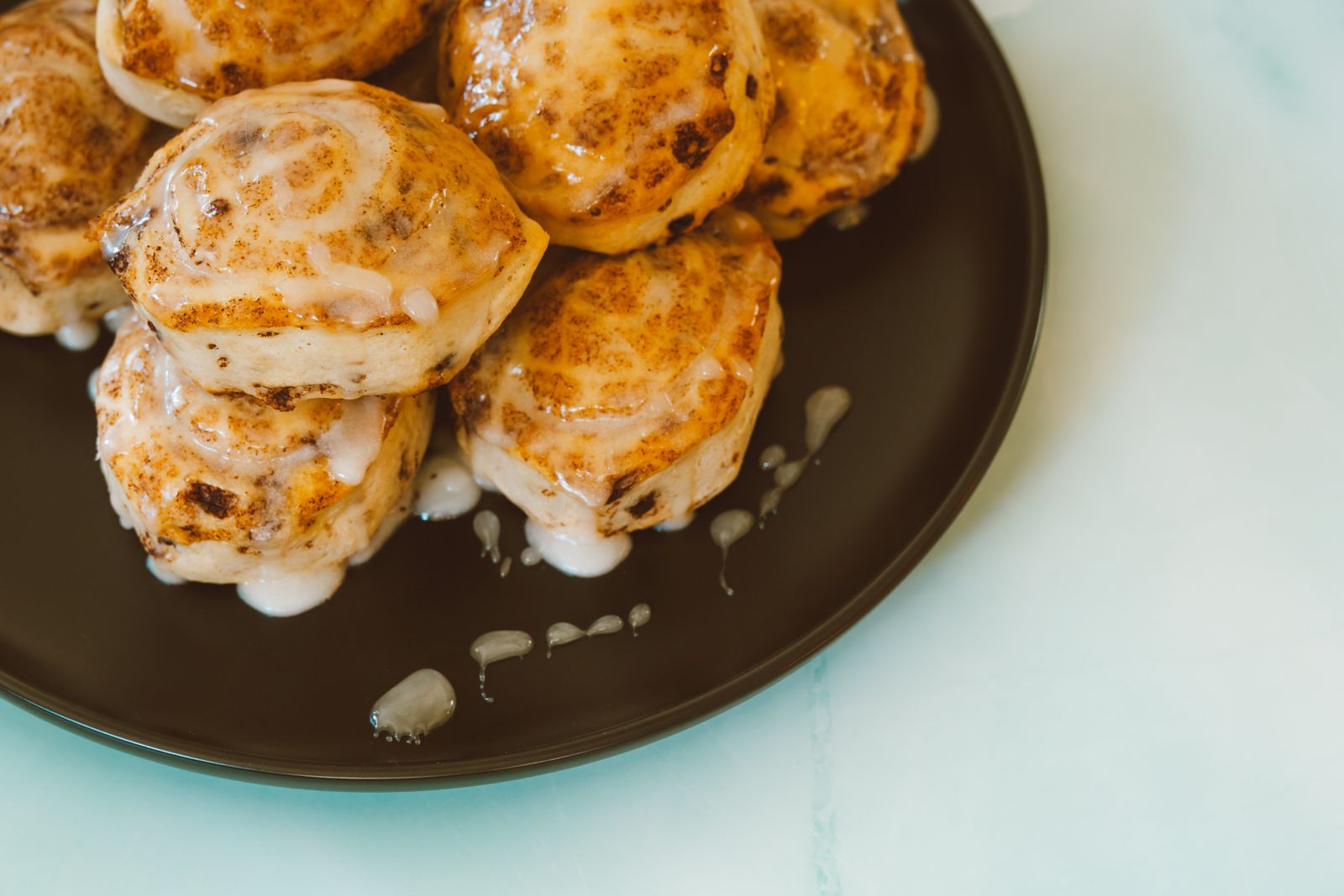
In Sweden the cinnamon bun is serious enough to have its own holiday, so I do not say this lightly: sourdough discard cinnamon rolls are the best use I have found for a jar of leftover starter. The discard gives an enriched, buttery dough a gentle tang that cuts the sweetness, the way a good kanelbulle balances cardamom against sugar. You do not need an active, bubbling starter for this. Cold discard straight from the fridge plus a little yeast does the job, on a same-day timeline or an overnight cold proof. Here is the dough, both schedules, and how to keep the rolls soft for days.
Quick answer: Sourdough discard cinnamon rolls stir cold, unfed starter into a soft, enriched cardamom dough, with a pinch of yeast doing the rising, so you don't need an active starter. The discard adds a gentle tang that cuts the sweetness. Mix and rise the dough, roll it with a butter-and-cinnamon-sugar filling, cut into rolls, proof, and bake at 350°F, then glaze. Same-day and overnight cold-proof schedules both work, with the overnight adding more tang. They contain gluten.
The dough and filling
The dough is a soft enriched dough, so it should feel tacky, not stiff.
- 480 g (scant 4 cups) bread flour
- 240 g (1 cup) warm milk
- 100 g (1/2 cup) sourdough discard, unfed
- 1 large egg
- 60 g (about 4 tbsp) soft butter
- 50 g (1/4 cup) sugar
- 7 g (2 1/4 tsp) instant yeast (5 g for the overnight schedule)
- 1 tsp ground cardamom
- 8 g (1 1/2 tsp) fine salt
- Soft butter for the 9x13 pan (about 1 tbsp)
- 100 g (7 tbsp) soft butter
- 120 g (1/2 cup plus 2 tbsp, packed) brown sugar
- 2 tbsp ground cinnamon
- 120 g (1/2 cup) cream cheese
- 60 g (1/2 cup) powdered sugar
- Splash of milk
- Mix. Combine the dough ingredients and mix until smooth and slightly tacky, about 8 minutes.
- Rise. Cover and let rise until puffy, about 90 minutes on the same-day schedule.
- Fill. Roll the dough into a rectangle roughly 16 x 12 inches, spread with the soft butter, and scatter the cinnamon sugar evenly over.
- Shape. Roll up tightly from a long edge, cut into 12, and set them in a buttered 9x13 pan.
- Proof. About 45 minutes, until puffy.
- Bake. 350F for 25 to 30 minutes until golden.
- Glaze. Beat the cream cheese, powdered sugar, and a splash of milk together, and glaze while warm.
Does sourdough discard need to be active for cinnamon rolls?
No, and this is the detail that makes the recipe weeknight friendly. The instant yeast handles the rise, so the dough proofs on a reliable clock no matter what state your starter is in. The discard is there for flavor and a softer crumb, not lift. That is the same principle behind every recipe in our sourdough discard recipes roundup, and the same trick that makes sourdough discard pizza dough so forgiving.
If you would rather bake a fully wild-leavened roll with no commercial yeast, you can, but the rise stretches to many hours and the timing gets fussy. For an enriched sweet dough on a Sunday morning, the yeast plus discard combination wins on reliability. Save the slow wild ferment for a whole grain sourdough loaf where time is on your side.
Same-day or overnight: which schedule is better?
Both work. The overnight cold proof is what I reach for when I want warm rolls at breakfast without waking at dawn.
| Method | Yeast | Schedule | Best for |
|---|---|---|---|
| Same-day | 7g | Mix, rise 90 min, shape, proof 45 min, bake | An afternoon bake |
| Overnight | 5g | Mix and shape at night, cold proof in the pan, bake cold from the fridge in the morning | Warm rolls at breakfast |
For the overnight version, shape the rolls, set them in the buttered pan, cover tightly, and refrigerate. In the morning, let the pan sit on the counter for 30 minutes while the oven heats, then bake. The slow cold proof deepens the tang from the discard, which is the whole point of using it.
What is the difference between kanelbullar and cinnamon rolls?
This is where my Nordic streak shows. American cinnamon rolls are big, soft, and finished with a thick cream cheese or sugar glaze. Swedish kanelbullar are smaller, less sweet, spiced with cardamom as much as cinnamon, and topped with pearl sugar rather than icing. The cinnamon roll family tree runs through both.
The recipe above splits the difference: I keep the cardamom and the soft American crumb, then let you choose your finish. Skip the glaze and add pearl sugar before baking for a more restrained, coffee-friendly bun. Keep the cream cheese glaze for the full American treatment. Either way the sourdough tang keeps them from tasting cloying.
How do you keep sourdough cinnamon rolls soft?
Three habits. Do not overbake. Pull the rolls when the centers read about 190F or just barely set, because carryover heat finishes them and an extra five minutes is what turns soft rolls dry. Use enough fat: the butter in the dough and the milk both keep the crumb tender. And store them covered at room temperature, not in the fridge, where the starch firms up fast. Covered on the counter, glazed, they stay soft for two days. Reheat a roll for ten seconds and it tastes fresh again.
Can you make them with whole grain or gluten-free flour?
Yes, with small adjustments. Whole grain flours absorb more liquid, so add a splash more milk and expect a slightly denser, nuttier roll.
- Einkorn makes an exceptionally tender, golden sweet dough, though its weak gluten means a gentle hand and no more than a 50% swap. A good einkorn flour is worth it here. Background on the grain is on the einkorn page.
- Spelt is the easiest whole grain to start with and keeps a good rise. Use spelt flour for up to half the bread flour. More on it lives on the spelt page.
- Rye is the Nordic baker’s instinct, and a 15% rye swap adds a deep, malty note under the cinnamon. Our rye flour guide explains how it behaves. For more on building flavor into any heritage dough, the ancient grain bread guide is a good companion.
For a celiac-safe roll, discard is off the table since starters are wheat or rye based. Build the dough on a gluten-free blend instead, and lean on a binder for structure. Quinoa flour adds protein and a pleasant bite to such blends, and the grain’s Andean story is in our quinoa history piece.
Frequently asked questions
Can you freeze sourdough discard cinnamon rolls?
Yes, two ways. Freeze them fully baked but unglazed, then thaw, warm, and glaze; or freeze the shaped, unbaked rolls in the pan, thaw and proof them until puffy, and bake fresh. Baked rolls keep about two months, unbaked about one. Glaze is always best added after warming.
What can you use instead of cream cheese glaze?
A simple powdered-sugar-and-milk icing works, as does a vanilla or maple glaze, if you want something lighter than cream cheese. For the Nordic kanelbulle finish, skip the glaze entirely and scatter pearl sugar over the rolls before baking, which gives sweetness and crunch without the icing.
Why won’t my cinnamon roll dough rise?
Usually the yeast is old or the room is too cold. Check that your instant yeast is in date, use milk that is warm but not hot (about 100°F kills nothing and wakes the yeast), and give an enriched dough extra time, since butter, egg, and sugar slow the rise. A warm, draft-free spot near the oven helps it along.
Better rolls start with better flour.
The flour you feed your starter and your dough is the flavor in every bite. Browse the einkorn, spelt, and heritage flours we recommend for sweet baking.
Shop einkorn flour →