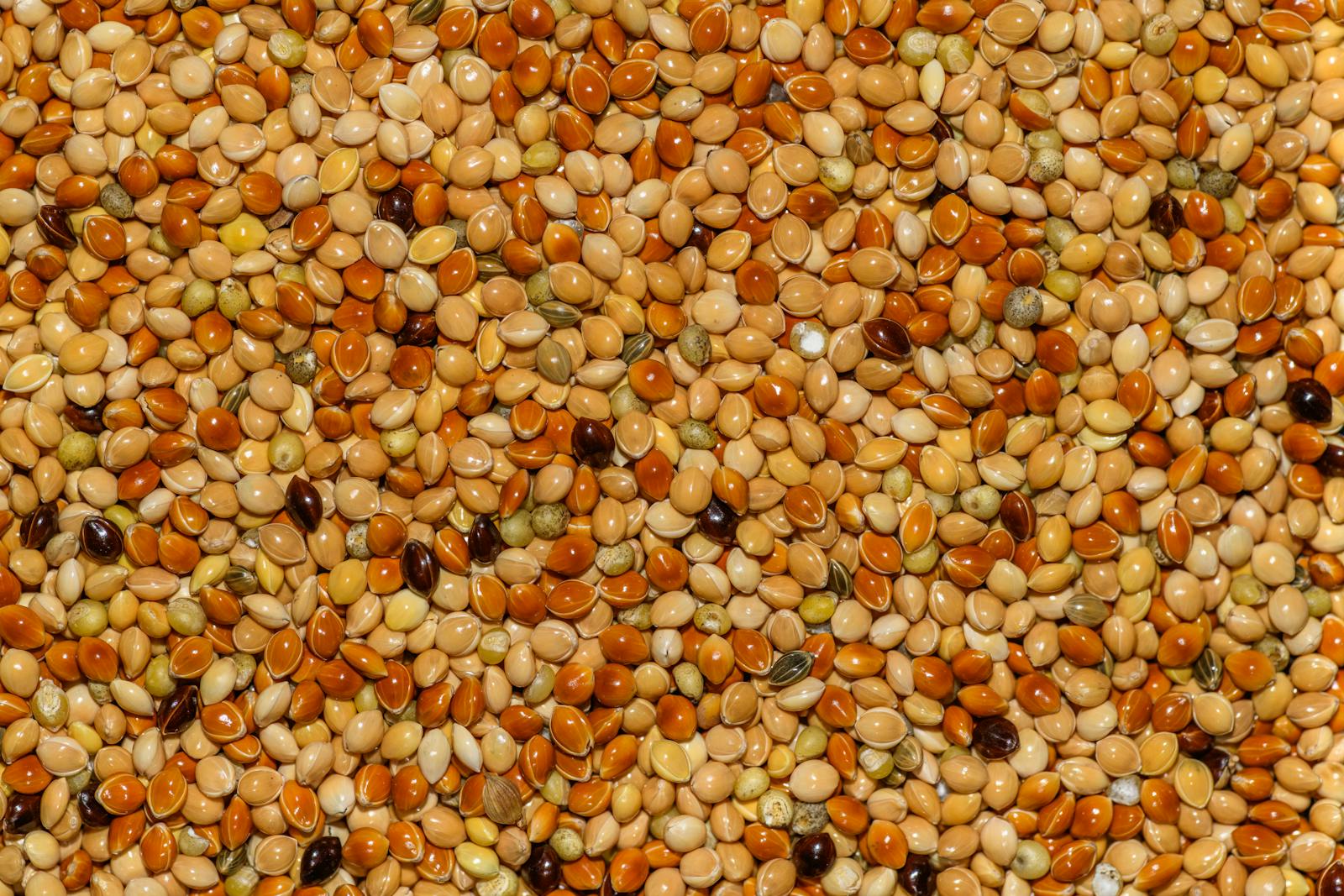
The first thing to understand about millet is that it is not one grain at all. “Millet” is a catch-all name for a whole family of small-seeded grasses that humans have grown for around 10,000 years, and the different types of millet behave so differently in the pot that knowing which one you have changes everything. From the pearl millet that becomes bajra roti in India to the foxtail millet stir-fried across China, these are some of the oldest and most widely eaten grains on earth, and all of them are naturally gluten-free.
If you have only met millet as the yellow stuff in birdseed, the culinary world is much bigger and much older than that. Here is how the main types differ.
Quick answer: Millet is not one grain but a family of small-seeded grasses. The main types are pearl millet (bajra), finger millet (ragi), foxtail millet, proso millet (common millet), and little millet. They range from mild, rice-like grains you fluff for pilaf (foxtail, proso) to the calcium-rich finger millet used for South Indian porridge and dosa. Every type is naturally gluten-free.
What are the main types of millet?
A handful of species do most of the work in kitchens around the world. They range from tiny and pale to larger and darker, and each has its own home cuisine.
| Millet | Species | Also called | Where it shines |
|---|---|---|---|
| Pearl millet | Pennisetum glaucum | bajra | India, West Africa: flatbreads, porridge |
| Finger millet | Eleusine coracana | ragi, nachni | South India, East Africa: porridge, dosa, baby food |
| Foxtail millet | Setaria italica | kangni, xiaomi | China, Korea, India: congee, stir-fry |
| Proso millet | Panicum miliaceum | common millet, broomcorn | Russia, China, Europe: porridge, pilaf |
| Little millet | Panicum sumatrense | kutki, sama | South India: rice substitute |
Pearl millet is the giant of the group by acreage, a drought-hardy staple across the Sahel. Finger millet is the nutritional powerhouse, unusually high in calcium. Foxtail and proso are the quick, mild ones that stand in for rice. The Latin names matter more than usual with millet, because the common names overlap and swap between regions: Setaria italica is always foxtail millet, and Panicum miliaceum is the species sold as plain “millet” in most Western shops, whether the bag says proso, common, or broomcorn millet.
Is millet gluten-free?
Yes, every type of millet is naturally gluten-free, which is why it has become a favorite in gluten-free baking and South Indian cooking alike. It belongs to a different plant family than wheat entirely. As with any naturally gluten-free grain, if you have celiac disease, look for a certified product to rule out cross-contamination during processing.
What does millet taste like?
Mild, faintly sweet, and corn-like, with a gentle nutty edge when toasted. That mildness is its superpower. Millet takes on whatever you cook it with, which is exactly why so many cuisines reach for it as a daily staple rather than a special-occasion grain. Finger millet is the exception, with an earthier, almost malty flavor that defines South Indian ragi porridge.
How is each type used in cooking?
The texture you get depends on the water. Cook any millet with extra liquid and stir, and it turns creamy like polenta or porridge, the way pearl millet becomes West African fura and finger millet becomes ragi mudde. Cook it with less liquid and leave it alone, and it fluffs up like couscous for a pilaf or salad base. Foxtail and proso millet are the easiest to fluff, which makes them the best rice substitutes for a weeknight bowl. For specific dishes, our millet recipes roundup has a place to start.
Is millet good for you?
It earns its ancient reputation. Millets are a solid source of fiber and plant protein, they have a relatively low glycemic impact, and finger millet in particular is one of the better plant sources of calcium, as general figures through USDA FoodData Central show. The botanical sweep of the millet family and its long history are well summarized by Wikipedia. The honest caveat is the same as for any grain: millet is carbohydrate-rich, so it is a smart staple rather than a magic one.
Which millet should you start with?
If you want a rice replacement, buy foxtail millet or proso millet and treat it like rice. If you want to taste what makes millet special, track down finger millet (ragi) flour and make a porridge. And if you are drawn to the heartier ancient grains generally, millet sits comfortably alongside sorghum, its fellow drought-loving African grain, and the tiny common millet and foxtail millet profiles cover the specific species in more depth.
Curious where these grains come from? Our history of quinoa traces one ancient staple’s journey, and the emmer versus einkorn guide covers the ancient wheats, though unlike millet those contain gluten.
Frequently asked questions
What is ragi?
Ragi is the Indian name for finger millet, a small reddish-brown millet that is unusually high in calcium. It is a South Indian and East African staple, ground into flour for porridge (ragi mudde), dosa, and baby food, and it has an earthier, faintly malty flavour than other millets.
What is bajra?
Bajra is the Indian name for pearl millet, the largest and most widely grown millet, prized as a drought-hardy staple across India and the West African Sahel. It is milled into flour for flatbreads like bajra roti and cooked into porridge.
Which type of millet is the healthiest?
There is no single winner, but finger millet (ragi) stands out for calcium, which is rare among grains, while pearl millet is high in iron. All millets are gluten-free whole grains with useful fibre, protein, and a relatively low glycemic impact.
Stock up on Millet
See our hand-picked Millet, from flour to whole grain, with the brands worth buying.
Shop Millet →