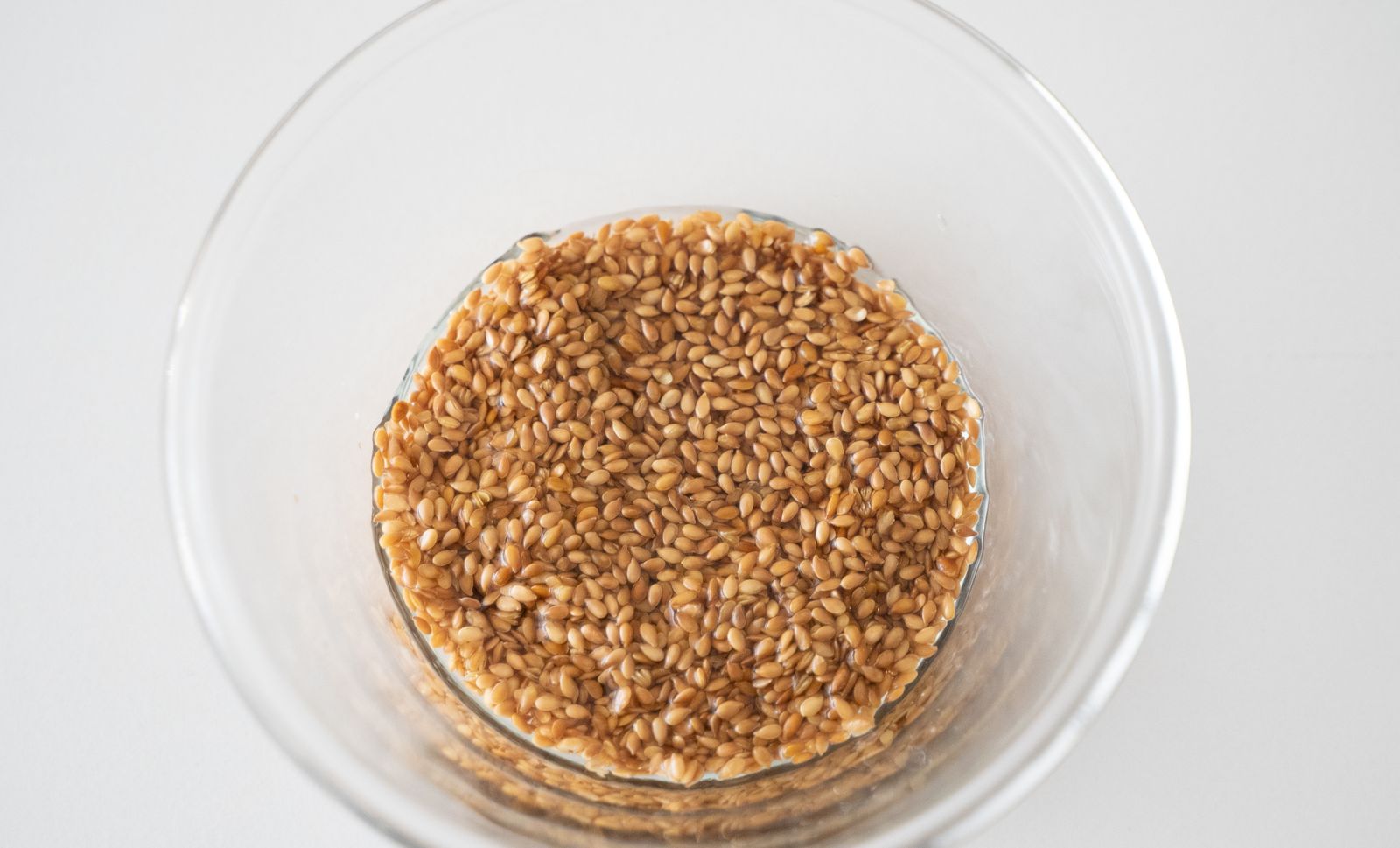
Emmer wheat is one of the oldest grains humanity has ever grown, a hulled ancient wheat that fed the first farmers of the Fertile Crescent and built the granaries of ancient Egypt and Rome. If you have eaten farro in an Italian restaurant, you have almost certainly eaten emmer, because farro and emmer are largely the same grain under two names. So when people ask what is emmer wheat, the most useful answer is that it is a chewy, nutty, ancient species of wheat, known to botanists as Triticum dicoccum, that predates modern bread wheat by thousands of years. It contains gluten, so it is not a wheat-free grain, but it carries a depth of flavor and history that the wheat in supermarket bread simply does not.
Quick answer: Emmer wheat is one of the oldest cultivated grains, an ancient hulled wheat known botanically as Triticum dicoccum. It is the grain Italians usually sell as farro (specifically farro medio), so most farro you eat is emmer. It has a deep, nutty flavour and a firm chew, cooks like farro, and is a true wheat, so it contains gluten and is not celiac-safe.
What exactly is emmer wheat?
Emmer (Triticum dicoccum) is a tetraploid wheat, meaning it carries two ancestral sets of chromosomes, which places it between the more primitive einkorn and the more complex bread wheat in the family tree. Like the other ancient wheats, it is a hulled grain: the tough outer glumes cling to the seed and must be removed before milling or cooking, an extra step that made it less attractive to industrial agriculture but did nothing to harm its taste.
It grows as handsome bearded ears and tolerates poor soils and dry conditions far better than modern wheat, which is exactly why it sustained early farming communities across the ancient Near East.
Is emmer wheat the same as farro?
Mostly, yes, and this is the single most confusing thing about the grain. In Italy, farro is an umbrella term for three hulled wheats: farro piccolo (einkorn), farro medio (emmer), and farro grande (spelt). Emmer is by far the most common of the three sold simply as “farro,” so in practice, when you buy farro, you are usually buying emmer. The packet rarely spells this out. If you have followed our guide to how to cook farro, those same methods apply directly to emmer, because they are the same berries.
Where does emmer wheat come from?
Emmer’s story is the story of farming itself. It was one of the eight so-called Neolithic founder crops domesticated in the Fertile Crescent around 10,000 years ago, the small group of plants that turned wandering foragers into settled farmers. From there it spread along the great river valleys. In ancient Egypt it was the principal wheat, used for bread and beer and stored in tombs for the afterlife. In Rome it was the grain of puls, the everyday porridge that fed legions and laborers alike. For most of recorded history, when a Mediterranean civilization spoke of wheat, it often meant emmer. Its slow retreat began only when free-threshing bread wheats, easier to process and higher-yielding, gradually displaced it.
Is emmer gluten-free?
No. Emmer is a true wheat and contains gluten, so it is not safe for anyone with celiac disease or a wheat allergy. Like spelt and einkorn, it is sometimes described as gentler on digestion than modern wheat, and some people report tolerating it more comfortably, but that is a matter of individual digestion and not a gluten-free guarantee. If you need a genuinely gluten-free ancient grain, our gluten-free grains guide points you to the right ones.
What does emmer taste like, and how do you cook it?
Emmer has a deep, nutty, almost chestnut-like flavor and a satisfying chew that holds up beautifully in soups and salads. The whole berries are the classic form: simmer them until tender but still firm, the way you would cook farro, and they soak up dressings and broths without turning to mush. A bag of whole farro, which is emmer, is the place to start, and emmer flour makes rustic breads and fresh pasta with a flavor white flour cannot match. Because its gluten is present but less elastic than bread wheat’s, emmer dough is best handled gently, much like spelt.
For the wider world of baking with these grains, our ancient grain bread guide covers the methods, and the traditional rye flour guide is a natural companion for anyone exploring characterful heritage flours.
How is emmer different from einkorn and spelt?
Emmer is the middle child of the three ancient wheats. Einkorn is older and simpler, a diploid wheat with a single ancestral genome and the most delicate gluten. Spelt is younger and more complex, a hexaploid that bakes much like modern wheat. Emmer sits between them, tetraploid, hardy, and intensely flavored. Our emmer versus einkorn comparison breaks down which to choose, and the einkorn wheat and spelt profiles round out the family. For the full backstory on spelt, see what is spelt.
Is emmer good for you?
Emmer is a nourishing whole grain when eaten as whole berries or wholemeal flour, supplying protein, fiber, and minerals including magnesium and zinc. Its protein content runs a little higher than common wheat, and like all whole grains it is most nutritious in its unrefined form. Detailed figures are available through USDA FoodData Central. It is a wholesome, traditional grain, though as ever its real appeal is flavor and heritage rather than any single nutritional claim.
Where to go from here
Emmer is the ancient grain to reach for when you want history on the plate and a flavor with real backbone. Start with the emmer wheat profile for everything in one place, then move to how to cook farro, which is your guide to cooking emmer by another name.
Frequently asked questions
Was emmer really the wheat of ancient Egypt and Rome?
Yes. Emmer was one of the eight Neolithic founder crops and became the principal wheat of ancient Egypt, used for bread and beer, and the grain of Rome’s everyday porridge, puls. For much of antiquity, “wheat” in the Mediterranean often meant emmer.
Is emmer wheat the same as einkorn or spelt?
No, though all three are ancient hulled wheats sold as farro in Italy. Einkorn (farro piccolo) is the older, simpler diploid wheat; spelt (farro grande) is the younger hexaploid; emmer (farro medio) is the tetraploid in the middle. Our emmer vs einkorn comparison covers the differences.
How long does emmer wheat take to cook?
Whole emmer berries take about 25 to 40 minutes of simmering until tender but still chewy, less if you soak them first. Pearled emmer cooks faster, closer to 20 minutes. Cook it exactly as you would farro, because it is the same grain.
Cook with emmer
See our hand-picked emmer and farro, flour and whole grain, with the brands worth buying.
Shop emmer →