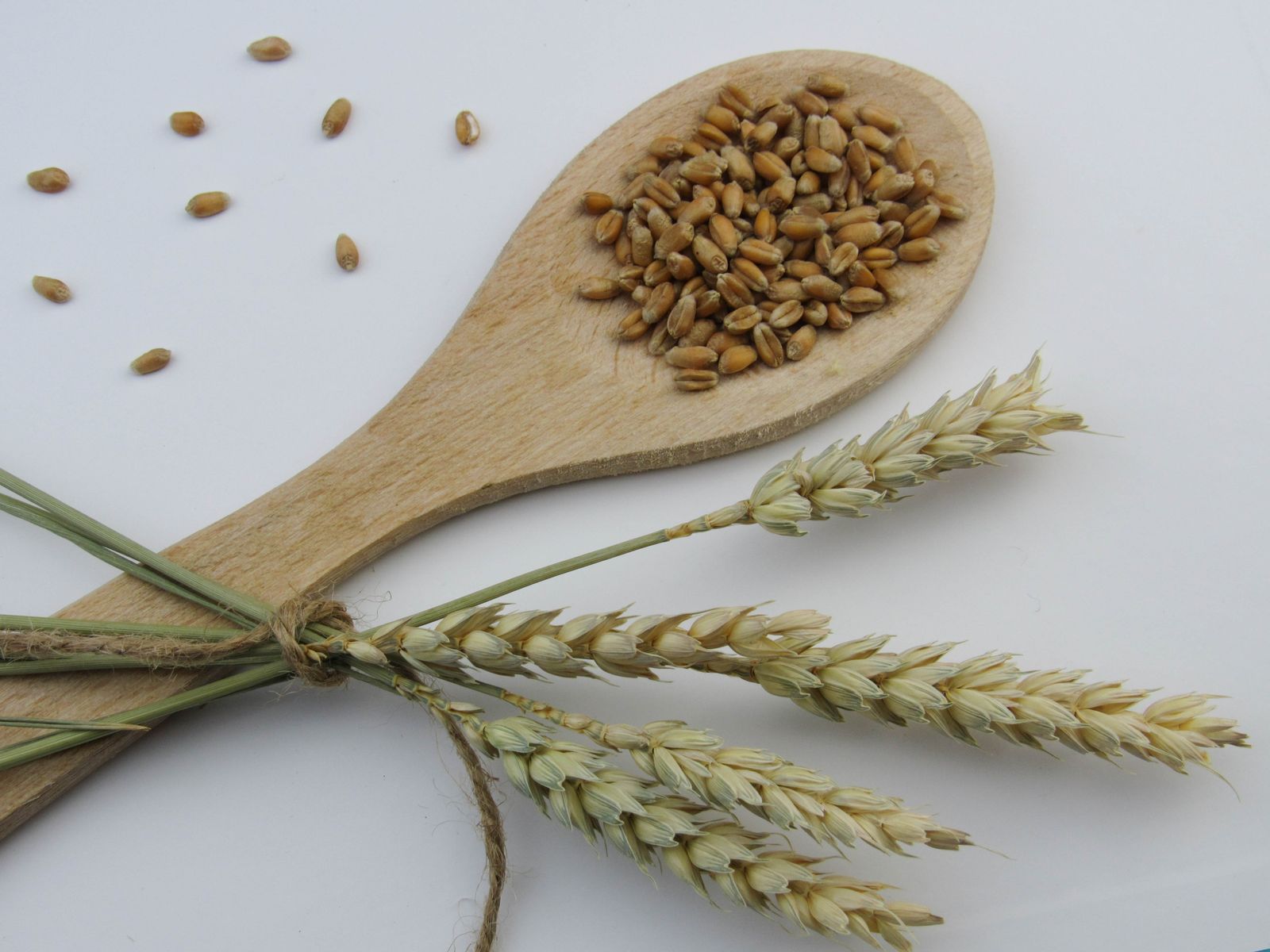
Spelt is an ancient species of wheat, known to botanists as Triticum spelta, grown across Europe for thousands of years before modern bread wheat pushed it to the margins. If you have seen it on a bakery shelf and wondered what is spelt and whether it is just a fancy word for wheat, the short answer is that spelt is a distinct, older cousin of the wheat in your sandwich loaf. It has a nuttier, slightly sweet flavor, a tougher hull, and, importantly, it does contain gluten. In fact spelt was one of the staple grains of the Bronze Age, and it is enjoying a genuine revival among bakers who prefer its taste and character.
Quick answer: Spelt is an ancient species of wheat, Triticum spelta, grown in Europe for thousands of years before modern bread wheat replaced it. It has a nutty, slightly sweet flavour and a tough hull that must be removed before milling. Because it is a true wheat, it contains gluten and is not safe for celiacs, though some people find its more fragile gluten easier to digest.
Where does spelt come from?
Spelt’s history runs deep. Archaeological evidence places it in the Near East and Europe by around 5000 BC, and it was a dominant grain in parts of medieval Europe, especially the regions that are now Germany, Switzerland, and Austria. The German word for it, Dinkel, still turns up on flour bags today.
Genetically, spelt is a hexaploid wheat, meaning it carries three sets of chromosomes from three ancestral grasses, the same complex genome that ordinary bread wheat (Triticum aestivum) has. The two are close enough that they can cross. What set spelt apart historically was its hardiness: it tolerates poor soil and cold better than modern wheat, which is why it persisted in mountainous and northern regions long after richer farmland switched to higher-yielding varieties. It faded in the twentieth century purely because it yields less per acre and its tight hull must be removed before milling, two disadvantages that matter to industrial agriculture but not at all to flavor.
Is spelt the same as wheat?
Yes and no. Spelt is a type of wheat, botanically, but it is not the same species as the common wheat used in most modern flour. The practical differences are what matter in the kitchen, and the table below lays them out.
| Feature | Spelt | Modern bread wheat |
|---|---|---|
| Species | Triticum spelta | Triticum aestivum |
| Hull | Tightly attached, must be dehulled | Threshes free easily |
| Flavor | Nutty, sweet, mild | Neutral, plain |
| Gluten | Present, but more fragile | Present, strong and elastic |
| Hardiness | Tolerates poor, cold soil | Needs richer farmland |
The gluten point is the one bakers feel most. Spelt has plenty of gluten, but it is more delicate and water-soluble, so spelt dough comes together faster and tears more easily if you overwork it. That is a feature once you adjust to it, not a flaw.
Is spelt gluten-free?
No. Spelt is not gluten-free and is not safe for anyone with celiac disease or a wheat allergy; our dedicated is spelt gluten-free answer covers the science in depth. It is a true wheat, and its gluten proteins are closely related to those in common wheat. If you need a genuinely gluten-free ancient grain, look to quinoa or millet instead, and read our history of quinoa for the backstory on the most popular of them.
The confusion is understandable, because some people who feel bloated after ordinary bread report that they tolerate spelt more comfortably. That is plausibly down to spelt’s more soluble gluten and lower content of certain fermentable carbohydrates, but it is a matter of digestion and personal comfort, not a gluten-free guarantee. For the science on this, the Whole Grains Council is a reliable starting point.
What does spelt taste like, and what is it good for?
Spelt tastes nutty and faintly sweet, with more personality than plain white flour. That makes it a natural for rustic breads, where it gives a loaf depth without the sourness of rye. You can use the whole grain, called spelt berries, in salads and grain bowls, or the flour for baking. A bag of spelt flour substitutes directly for some or all of the wheat flour in most recipes, and whole spelt berries cook up chewy and nutty for savory dishes.
Because its gluten is fragile, spelt rewards a gentle hand. Mix less, knead less, and watch the dough more carefully than you would a sturdy bread-wheat dough. For the full method, see our guides to how to cook spelt and baking spelt bread, and if you bake by weight, the spelt flour deep-dive covers substitution ratios. Spelt also shines in mixed heritage loaves, which our ancient grain bread guide walks through start to finish.
How is spelt different from einkorn and emmer?
Spelt is often grouped with einkorn and emmer as the three “ancient wheats,” but they are genetically distinct. Einkorn is the oldest and simplest, a diploid wheat with just two chromosome sets. Emmer is tetraploid, with four. Spelt is hexaploid, with six, which makes it the most modern of the three and the closest to today’s bread wheat. In practice spelt bakes more like ordinary wheat than einkorn does, which is why it is the friendliest ancient wheat for a first-timer. Our einkorn versus spelt comparison breaks down which to reach for, and the emmer wheat and einkorn wheat profiles cover the other two.
Is spelt good for you?
Spelt is a whole grain when sold as wholemeal flour or berries, so it brings fiber, protein, and minerals like manganese, phosphorus, and magnesium. Its protein content is a touch higher than common wheat. Detailed figures are available through USDA FoodData Central. As with any wheat, white spelt flour has the bran and germ removed, so choose wholemeal spelt if nutrition is your priority. It is a nourishing grain, but its real draw is flavor and bakeability rather than any single nutritional headline.
Where to go from here
Spelt is the gateway ancient grain: familiar enough to bake like wheat, distinctive enough to be worth the switch. Start with the spelt profile for everything in one place, then branch into how to cook spelt for the kitchen technique. If spelt sparks an interest in older grains generally, the rye flour guide is a natural next read for another characterful, traditional flour.
Frequently asked questions
Is spelt easier to digest than regular wheat?
Some people find it is, usually because spelt has a more fragile, water-soluble gluten and fewer of the fermentable carbohydrates (FODMAPs) that cause bloating. That is a comfort difference for sensitive guts, not a safety one; spelt still contains gluten and is not celiac-safe.
Can I substitute spelt flour for all-purpose flour?
Yes, you can swap spelt in for some or all of the wheat flour in most recipes. Because its gluten is delicate, mix and knead less than usual and expect a slightly softer, more tender result; start with a 50 percent swap if you are new to it.
Is spelt a whole grain?
It is when you buy it as wholemeal spelt flour or whole spelt berries, which keep the bran and germ. White spelt flour has both removed, just like white wheat flour, so choose wholemeal spelt if fibre and minerals are your priority.
Bake with spelt
See our hand-picked spelt flour and whole berries, with the brands worth buying.
Shop spelt →