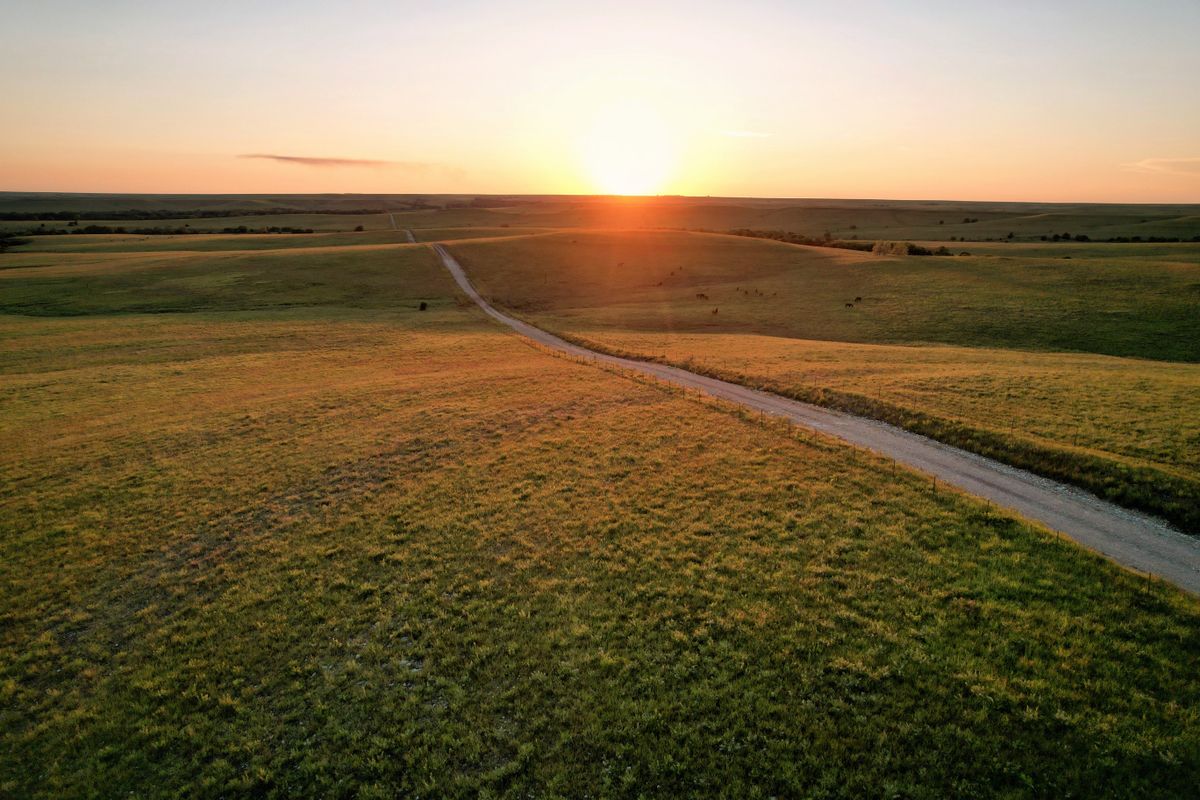
Most of the grains on this site are thousands of years old. Kernza is the opposite: a grain that farmers only started harvesting on a working farm in 2010. It comes from a perennial grass, so a single planting keeps producing grain for several years instead of being plowed under and replanted every season. That makes it unusually tough in a drought, and in September 2026 the Associated Press reported on Kansas farmers turning to it after brutal dry spells wrecked their wheat. Kernza is still a small crop with real problems, but it is the most advanced attempt yet at a grain that grows back.
Quick answer: Kernza is the grain of intermediate wheatgrass (Thinopyrum intermedium), a perennial cousin of wheat domesticated by The Land Institute in Salina, Kansas. One planting produces grain for several years, and its roots grow up to 10 feet deep. Kernza contains gluten, though weaker than wheat's, tastes slightly sweet and nutty, and so far yields only about 20 to 40 percent as much grain as wheat.
What is Kernza?
Kernza is the trademarked name for grain from intermediate wheatgrass, a wild cousin of annual wheat that ranchers have long grown as a forage grass. The Land Institute, a Kansas nonprofit, owns the trademark and formally began domesticating the plant as a grain crop in 2001, and the University of Minnesota released the first commercial variety, MN-Clearwater, in 2019. The name blends “Konza,” for the Konza Prairie in Kansas, with “kernel,” according to Kernza’s own FAQ.
The grains are small, about a fifth the size of a wheat kernel, long and slender. The plant itself is the point: it is a perennial, so it lives on after harvest and regrows the next season, which no mainstream grain crop does.
Why are farmers planting Kernza?
Farmers plant Kernza mainly for its roots, which reach up to 10 feet deep, pulling water from far below where annual wheat can reach and holding soil in place through droughts and heavy rain. Because the field is not replanted every year, farmers also make fewer passes with their machinery.
The Associated Press story followed Kansas growers through a season when a dry winter and spring left one family farm with its lowest wheat yield in years. One farmer who has grown Kernza since 2018 uses it to rebuild soil on poorly drained fields, and he told the AP it needs about a third of the fertilizer wheat does. Because the market is small, growers under contract can be paid a premium, sometimes 5 to 10 times the price of a pound of wheat.
Why isn’t Kernza everywhere yet?
Because it still yields far less than wheat. Kernza farmers harvest about 20 to 40 percent of what a wheat crop would produce on the same ground, because a perennial plant spends energy building roots to survive the winter instead of putting everything into seed. Yields also tend to fall as a stand ages.
The other problems are practical. The grain is so much smaller than wheat that farmers are still adapting combines to avoid damaging it, and new fields struggle against weeds in their first year. The market is tiny too: the AP reported 3,511 acres of Kernza in the US last year against more than 37 million acres of wheat, and one of the main Kernza distributors says it turns away almost every farmer who asks to grow it because there are not yet enough buyers.
Is Kernza gluten-free?
No. Kernza contains gluten, although its gluten is weaker than the gluten in wheat flour, so it is not safe for anyone with celiac disease. Treat it like rye or spelt: a cousin of wheat that still carries the proteins that matter.
What does Kernza taste like?
Kernza tastes slightly sweet and nutty, a little sweeter than wheat. Its baking quality sits between soft white wheat and rye, so it works best in pancakes, flatbreads, quick breads and pastries rather than tall sandwich loaves, and it has also been used in beer and spirits. Whole-grain Kernza is much higher in fiber than whole wheat, though sifted Kernza flour loses a good share of that bran.
Where can you buy Kernza?
The easiest place to find it is the cereal aisle. In November 2025 General Mills quadrupled its use of Kernza by adding 1 percent Kernza to four Cascadian Farm cereals: Honey Oat Crunch, Honey Oat Crunch with Almonds, Raisin Bran and Hearty Morning Fiber, launched at Whole Foods and Sprouts. One percent sounds tiny, but spread across four cereals it gives Kernza farmers a steady buyer.
Kernza flour, baking mixes and beers turn up from small producers, mostly in the Midwest, and the Kernza website lists where to buy them. Expect to pay well above wheat prices while the harvest stays this small.
Where to go from here
Kernza is the newest branch of the wheat family, and our post on where wheat came from covers the oldest ones, from wild einkorn to emmer. For another grain prized for surviving heat and poor soil, read about fonio, West Africa’s fast-maturing staple. The rye and einkorn pages list hardy wheat-family grains you can bake with today.
Frequently asked questions
Is Kernza an ancient grain?
No. Kernza is one of the newest grains in the world: its wild grass has grown for millennia, but serious breeding for grain only began in recent decades and the first farm harvest came in 2010.
How long does a Kernza field produce grain?
Several years. A stand is planted once and harvested for a few seasons, but yields tend to drop as it ages, so farmers eventually replant or rotate the field.
Can you substitute Kernza flour for wheat flour?
Partly. Because its gluten is weaker, Kernza flour suits pancakes, muffins and flatbreads well, but a yeasted loaf made only from Kernza will usually come out dense and low.
Taste Kernza at breakfast
Cascadian Farm's Honey Oat Crunch is one of the four cereals now made with 1 percent Kernza, the simplest way to try it.
Shop the cereal →Bake with a hardy wheat cousin
See our hand-picked rye, from whole berries to flour, with the brands worth buying.
Shop rye →