 By Margaret Holloway · Published · 1346 words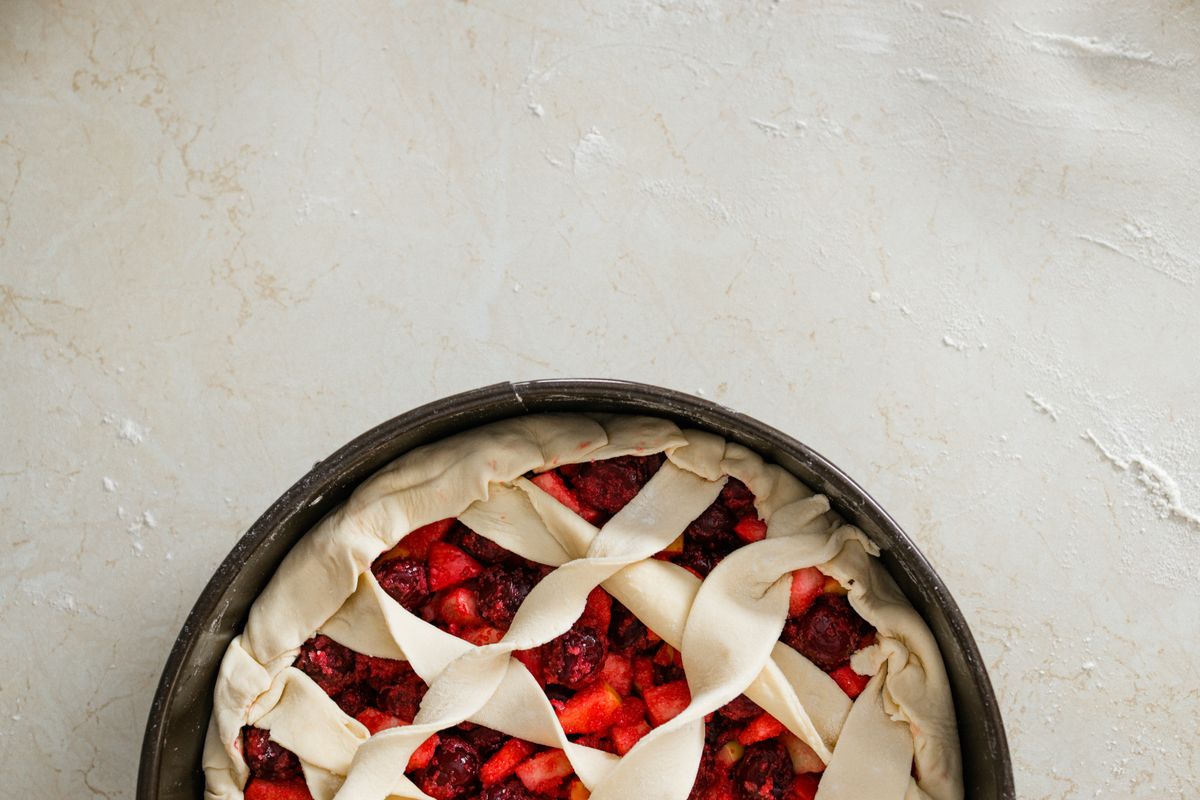
Here is the secret nobody tells a gluten-free baker: pie crust is the one pastry where losing the gluten helps you. Gluten is what makes an overworked wheat crust tough, and without it there is nothing to toughen, so a gluten-free crust can be handled, re-rolled, and patched like modeling clay and still bake tender. After two decades of teaching pastry, I hold that a gluten-free pie crust made properly is easier than the wheat one, provided you solve its one real problem, cracking, and this recipe solves it with an egg, a splash of vinegar, and a sheet of parchment.
Quick answer: To make gluten-free pie crust, cut cold butter into a rice-based gluten-free flour blend that contains xanthan gum, bind it with a whole egg, a teaspoon of vinegar, and a little ice water, chill for 30 minutes, and roll it between two sheets of parchment so it cannot crack or stick. Blind bake at 375°F for about 20 minutes for filled pies. Unlike wheat pastry, gluten-free dough cannot be overworked, so patching and re-rolling are free.
How do you make gluten-free pie crust?
One 9-inch bottom crust; double everything for a two-crust or lattice pie.
- 1 3/4 cups (210 g) gluten-free all-purpose flour blend with xanthan gum
- 1 tbsp (12 g) sugar
- 1/2 tsp fine salt
- 3/4 cup (170 g) cold butter, cubed
- 1 large egg, cold
- 1 tsp apple cider vinegar
- 2 to 4 tbsp ice water
- Whisk the flour, sugar, and salt, then cut in the cold butter with your fingertips or a pastry cutter until the largest pieces are pea-size. Those butter pieces are tomorrow’s flakes; do not rub them out.
- Bind with the egg and vinegar. Beat the egg with the vinegar and 2 tablespoons of ice water, pour it over, and toss until the dough holds together when squeezed, adding more water a spoonful at a time if it stays sandy.
- Chill for 30 minutes, pressed into a disc and wrapped. This firms the butter and finishes hydrating the rice flour, which is what stops grittiness and cracking later.
- Roll between two sheets of parchment to about 1/8 inch. No bench flour, no sticking, and the top sheet peels away clean. If an edge cracks, press it back together; there is no gluten to punish you.
- Flip into the pan using the parchment, peeling the paper off once the dough is seated, then crimp. Patch any tears with scraps.
- Blind bake at 375°F for about 20 minutes with the crust lined with parchment and filled with pie weights or dried beans, removing the weights for the last 5 minutes. For a fully baked shell, give it 5 to 8 minutes more until golden.
Why does gluten-free pie crust crack?
Because with no gluten network, nothing elastic holds the sheet together while you move it; the dough behaves like wet sand held by starch and gum alone. Three habits eliminate the problem. Roll between parchment, so the dough is supported at every moment and transported by the paper rather than your hands. Keep the dough cool but not fridge-hard, since a fully cold disc is brittle; five minutes on the counter after chilling makes it pliable. And bind generously: the egg and vinegar in this recipe exist precisely to add flexible proteins and acidity that keep the starch supple. When a crack happens anyway, press it shut and move on; the bake erases the evidence.
What is the best flour for gluten-free pie crust?
A rice-based all-purpose blend that already includes xanthan gum, the same 1-to-1 workhorse behind our whole gluten-free flour guide. Pie crust wants tenderness and short flakes, which is why the answer differs from bread: the psyllium that powers our gluten-free bread builds chew, exactly what a crust must avoid, so here the blend’s small dose of xanthan is the right binder and psyllium stays on the shelf. Blending your own from white rice flour works well with a quarter of the weight swapped for sorghum or buckwheat flour, which bring a wholemeal warmth that suits apple and pumpkin fillings beautifully. Remember that heritage wheats are still wheat, as our is spelt gluten-free explainer covers; a spelt crust is not a safe crust.
How do you blind bake a gluten-free pie crust?
The same as wheat, with one advantage and one caution. Line the chilled crust with parchment, fill it with weights or dried beans right to the rim, and bake at 375°F for about 15 minutes until the edges set, then lift the weights and give the floor 5 more minutes to dry. The advantage: gluten-free crusts shrink less than wheat crusts, because shrinkage is gluten tension relaxing. The caution: dock the floor with a fork before baking anyway, since steam has fewer escape routes through the tight starch structure, and an undocked shell can balloon. For custard pies, brush the hot shell with a little beaten egg and return it to the oven for 2 minutes; the seal keeps the filling from turning the floor soggy.
Should you buy frozen gluten-free pie crust instead?
For one pie a year, honestly, yes: Wholly Gluten Free’s frozen shells are certified and reliably tender, and several gluten-free pie crust mixes apply the shortcrust method with the blending pre-done. The homemade version wins on three counts: butter flavor that frozen shells replace with palm oil, a rolled crust that can top a pie or lattice (frozen shells only sit under one), and cost, since a shell’s price buys a pound of flour. Per USDA FoodData Central, the nutrition is a wash either way; pie is pie. My rule for students: buy the shell for the potluck, make the crust for the holidays.
Where to go from here
This crust is the fourth wall of the gluten-free bakery we have built on this site: the bread for weekdays, the pizza for Fridays, the cookies for the tin, and now the pie for the holidays ahead. All four run on the same rice-based pantry mapped in the gluten-free flour guide and the wider gluten-free grains guide. Practice the parchment roll once before the holidays and Thanksgiving will not scare you.
Frequently asked questions
Can I make a gluten-free graham cracker crust?
Yes, and it is the easiest crust there is: crush certified gluten-free graham-style crackers to crumbs, bind with melted butter and a spoonful of sugar, press into the pan, and bake 8 to 10 minutes at 350°F. It suits cheesecakes and cream pies where a rolled crust is overkill.
Can I make this pie crust dairy-free?
Yes, swap the butter for a firm plant butter or half shortening; both cut in the same way. Pure shortening flakes beautifully but tastes flat, so if you use it, add an extra pinch of salt and a teaspoon of sugar.
Can I make the dough ahead or freeze it?
Yes. The wrapped disc keeps 3 days in the fridge and 3 months frozen; thaw it overnight in the fridge, then give it 10 minutes at room temperature before rolling. A fully baked shell also freezes well, wrapped, for a month.
Why do you put vinegar in pie crust?
A teaspoon of acid tenderizes the starch structure and, in gluten-free doughs, keeps the binders supple so the rolled sheet flexes instead of snapping. You will not taste it; you would only notice its absence at the first crack.
Build the crust from the base up
White rice flour anchors the blend behind this crust and every gluten-free bake on the site.
Shop rice flour →Stock the gluten-free baking pantry
Sorghum, buckwheat, and the rest of the naturally gluten-free grains that turn a plain crust into a flavorful one.
Browse all grains →