 By Rowan Pierce · Published · 1341 words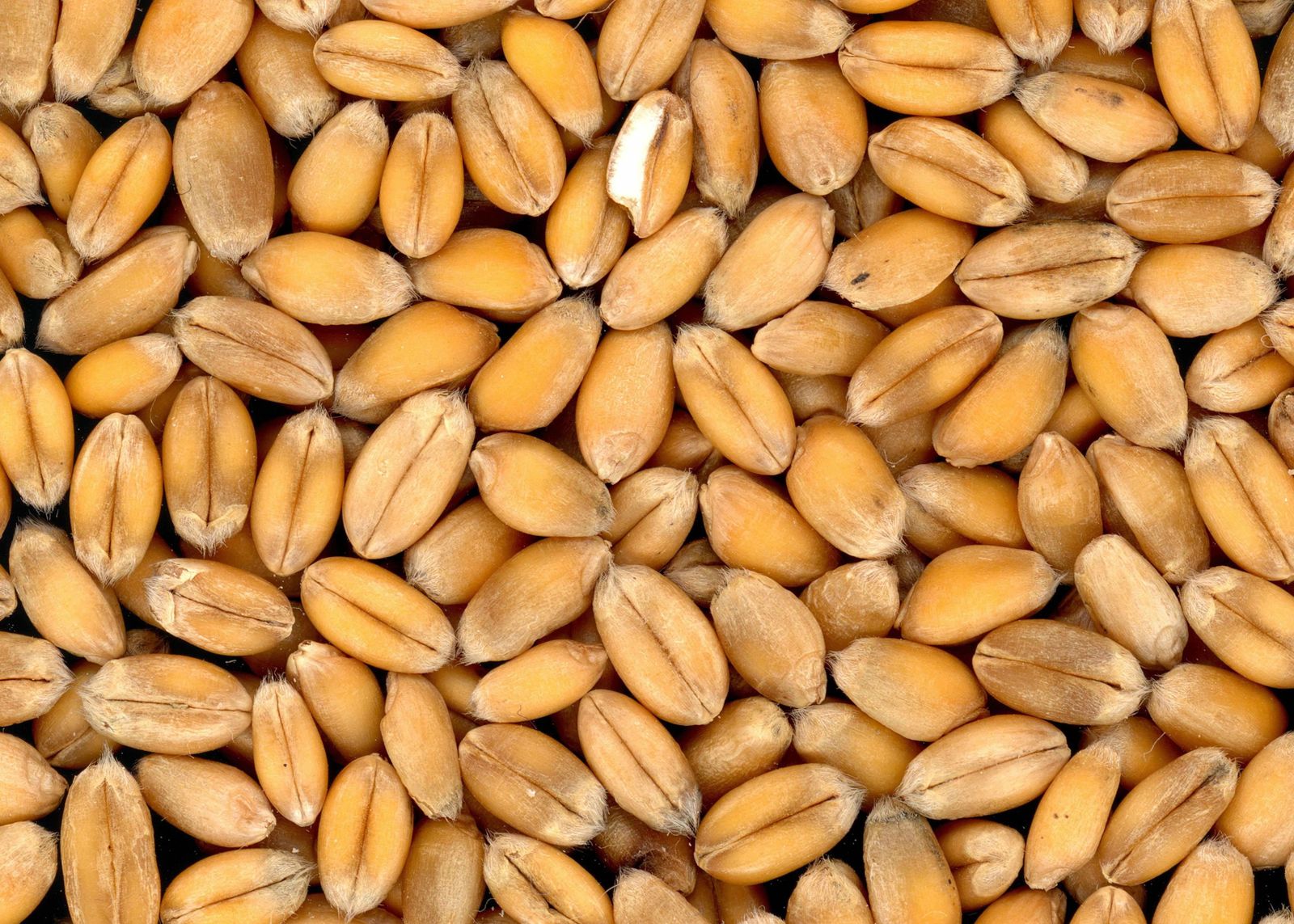
Is spelt gluten-free? No. Spelt is a true wheat, botanically Triticum spelta, and it contains gluten proteins closely related to those in modern bread wheat. If you have celiac disease or a wheat allergy, spelt is not safe, full stop. I get asked this constantly, usually because someone read that spelt is “ancient” or “easier to digest” and assumed that meant gluten-free. It does not. Let me walk through what the science actually says, and why the digestibility confusion is so persistent.
Quick answer: No, spelt is not gluten-free. It is a true wheat (Triticum spelta) and contains gluten, so it is unsafe for anyone with celiac disease or a wheat allergy. Spelt flour, bread, pasta, and sprouted spelt all carry gluten. Some people find spelt easier to digest, but that is usually about lower FODMAPs, not the absence of gluten.
Is spelt gluten-free?
Spelt has gluten, and a meaningful amount of it. It is a hexaploid wheat, sharing the same broad genome as common wheat (Triticum aestivum), which means its storage proteins include the gliadins and glutenins that together form gluten. Those are the exact proteins that trigger the autoimmune response in celiac disease. The Celiac Disease Foundation lists spelt explicitly alongside wheat, barley, and rye as a grain that people with celiac must avoid.
So any product made from spelt, including spelt flour, spelt bread, spelt pasta, and spelt berries, carries gluten. The “ancient grain” label changes the flavor and the farming history. It does not change the biochemistry.
Is spelt flour gluten-free?
No. Spelt flour is simply milled spelt, so it carries the grain’s full gluten content. In fact bakers prize spelt flour precisely because of its gluten: the protein is what lets a spelt loaf rise and hold structure. If a flour can build a stretchy dough, it has gluten by definition, and spelt builds dough readily. Spelt’s gluten behaves a little differently from modern wheat’s (it is more extensible and more water-soluble, so the dough slackens faster), but “different” is not “absent.”
If you are shopping and see a bag of spelt flour marketed as wholesome or heritage, read it as a wheat product. It belongs in the same avoid category as ordinary all-purpose flour for anyone who is gluten-intolerant.
Is spelt bread gluten-free?
No, and this is worth stating plainly because spelt bread shows up in health-food bakeries and farmers’ markets where the surrounding products often are gluten-free. Spelt bread is wheat bread. Sourdough fermentation, which some bakers use for spelt, does break down a portion of the gluten during the long proof, but it does not remove enough to make the bread safe for celiacs. Our guide to sourdough and gluten covers why “low gluten” is not the same as “gluten-free.” The same logic applies to spelt’s close cousin: rye flour is likewise not gluten-free, even when slow-fermented.
Is sprouted spelt gluten-free?
No. Sprouting spelt activates enzymes that begin breaking down starches and some proteins, which can make the grain feel lighter and more digestible for some people. But sprouting does not degrade gluten enough to fall under the gluten-free threshold, and no sprouted spelt product can legally or safely be labeled gluten-free. If a package says “sprouted spelt,” treat it as a wheat product that has been partially germinated, not as a gluten-free grain.
Why do some people digest spelt more easily?
This is the heart of the confusion. Plenty of people who feel bloated or sluggish after ordinary wheat bread report that spelt sits more comfortably, and that experience is real for them. There are two plausible reasons, and neither involves the absence of gluten.
- Fewer FODMAPs. Spelt tends to contain lower levels of fructans, a type of fermentable carbohydrate that drives bloating and gas in people with IBS. Monash University, which created the FODMAP system, notes that traditional sourdough spelt in modest portions can be lower-FODMAP. For someone whose discomfort was really a FODMAP problem and never gluten at all, spelt can genuinely feel better.
- More soluble, fragile gluten. Spelt’s gluten network is weaker and breaks down faster, which may make it gentler on some digestive systems. This is a comfort observation, not an immune one.
The crucial distinction: easier digestion for someone with a sensitive gut is a completely different thing from safety for someone with celiac disease. Celiac is an autoimmune condition where even trace gluten damages the small intestine, with or without symptoms you can feel. Feeling fine after spelt does not mean your gut is fine. If you suspect celiac disease, get tested before you experiment, because you need to be eating gluten for the test to work.
Is spelt safe for a wheat allergy?
No. A wheat allergy is an IgE-mediated reaction to wheat proteins, and because spelt is a wheat, it shares enough of those proteins to provoke the same allergic response. Some people with mild wheat sensitivities tolerate spelt, but a true diagnosed wheat allergy should treat spelt as off-limits unless an allergist has specifically cleared it.
How does spelt compare to other grains on gluten?
Spelt lands firmly in the gluten group, alongside wheat, barley, and rye, and apart from the naturally gluten-free grains like quinoa and buckwheat. The table below sorts the comparisons people ask about most.
| Grain | Contains gluten? | Safe for celiac? |
|---|---|---|
| Spelt (Triticum spelta) | Yes | No |
| Modern wheat | Yes | No |
| Barley | Yes | No |
| Rye | Yes | No |
| Quinoa | No | Yes |
| Buckwheat | No | Yes |
Spelt belongs firmly in the top group with the other wheat-family and gluten-bearing grains. For the full picture of what spelt is and where it came from, see what is spelt, and for a survey of gluten-containing ancient breads, our ancient grain bread guide walks through the wheat-family options.
What should I use instead if I need gluten-free?
If you need a genuinely gluten-free grain, skip the wheat family entirely and reach for a naturally gluten-free option. Quinoa is the most versatile swap for everyday cooking, and buckwheat (despite the name, not a wheat at all) works beautifully for pancakes and noodles. Our roundup of gluten-free grains covers the full list, including amaranth, teff, millet, and sorghum. Just confirm any packaged product is certified gluten-free, since cross-contamination during milling is a real risk even for naturally gluten-free grains.
For everyone else, the ones without celiac disease or a wheat allergy, spelt is a flavorful, nutritious heritage wheat worth getting to know. Just know exactly what you are eating: a true wheat, gluten and all.
Frequently asked questions
Is spelt lower in gluten than regular wheat?
Not reliably. Spelt’s gluten is structurally weaker and more water-soluble, so dough made from it slackens faster, but the total amount is comparable to common wheat and easily enough to harm a celiac. “Different gluten” is not “less gluten.”
Can people with non-celiac gluten sensitivity eat spelt?
Some do tolerate it better, often because their real trigger was FODMAPs rather than gluten, but spelt still contains gluten. If you have non-celiac gluten sensitivity, treat spelt as a trial-and-error food and introduce it cautiously rather than assuming it is safe.
Are other ancient wheats like einkorn and kamut gluten-free?
No. Einkorn, emmer, and kamut are all wheat species and all contain gluten, so none are safe for celiacs. “Ancient” describes their farming history, not their protein content.
Can celiacs eat spelt in small amounts?
No. Celiac disease is an autoimmune reaction in which even trace gluten damages the small intestine, so there is no safe small serving of spelt. The only safe amount for a celiac is none.
Want to bake with spelt?
If gluten is no concern for you, spelt is a wonderful heritage wheat. Find the flour, whole berries, and the brands worth buying.
Shop spelt →