 By Hannah Nordstrom · Published · 1173 words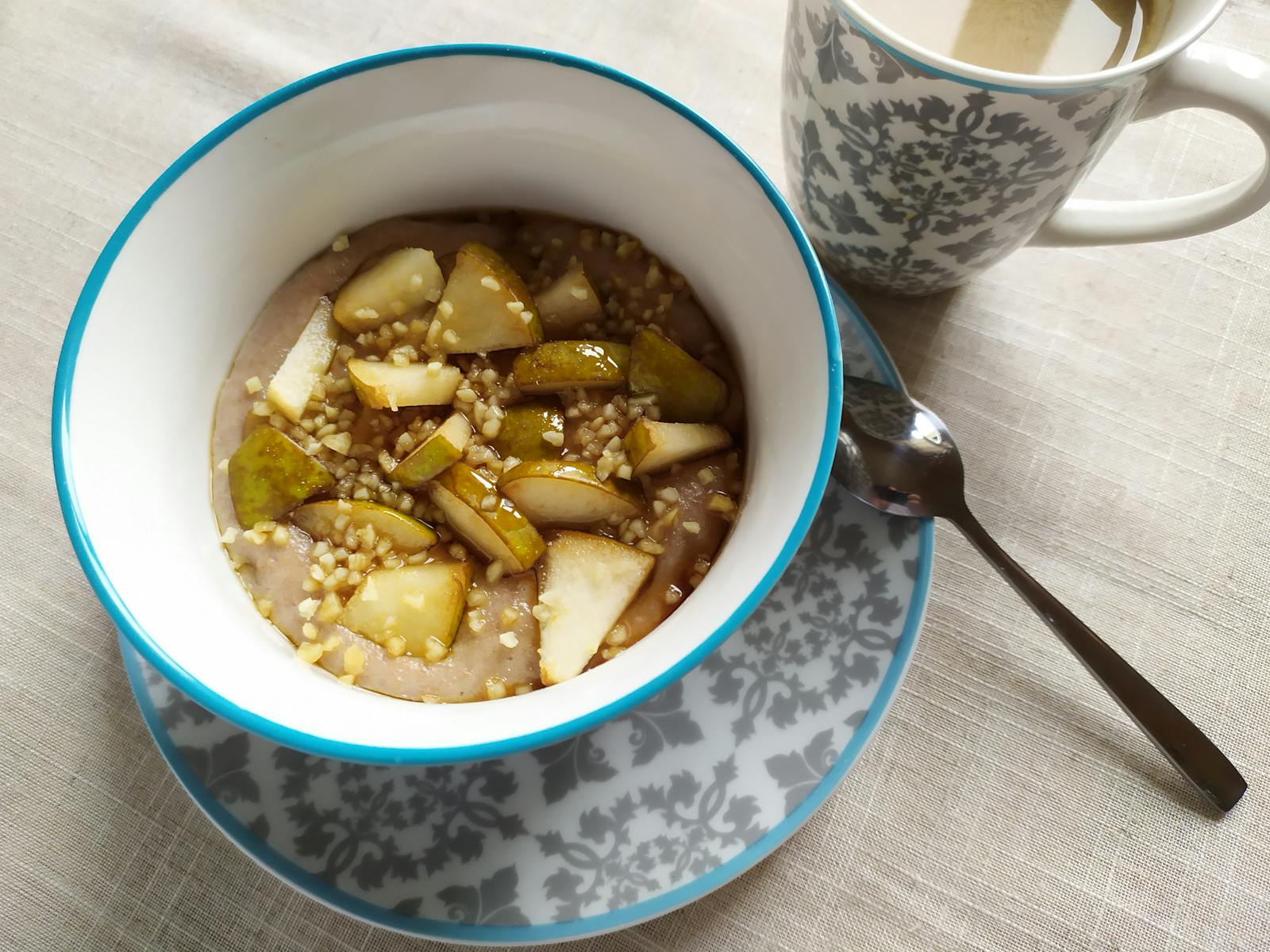
The trick to how to cook buckwheat groats is deciding what you want before the water goes on: fluffy, separate grains like a pilaf, or a soft, comforting porridge. The grain is the same, but the method changes. Buckwheat groats are the hulled seeds of the buckwheat plant, naturally gluten-free despite the name, and they cook in about fifteen minutes of simmering. In Northern and Eastern Europe they have been a daily staple for centuries, eaten as gröt in the morning and as kasha alongside dinner. Once you learn the ratio and the one toasting step that changes everything, they become one of the easiest grains to keep in the cupboard.
Quick answer: Buckwheat groats are the hulled seeds of the buckwheat plant, a naturally gluten-free pseudocereal, and they cook in about 15 to 18 minutes. Toasting the dry groats first (or buying pre-toasted kasha) is the key step that keeps them fluffy instead of gluey. Use 1 part groats to 2 parts water, simmered covered without stirring, for separate pilaf-style grains, or 1 to 3 with frequent stirring for a creamy porridge.
What are buckwheat groats?
Buckwheat groats are the inner seeds of Fagopyrum esculentum, a plant that is not a wheat or even a grass but a relative of rhubarb and sorrel. That is why buckwheat is a pseudocereal and entirely gluten-free, despite the “wheat” in its name. You will find them in two forms: raw (pale green to tan) and toasted, the latter sold as kasha, which is darker, nuttier, and more robust. Both cook the same way. The toasted kind simply tastes deeper and holds its shape a little better.
How do you cook buckwheat groats?
The reliable ratio is 1 part groats to 2 parts water, simmered covered for 15 to 18 minutes after an optional (but transformative) toast. The full method is below.
- 1 cup (170 g) buckwheat groats, raw or kasha, rinsed and drained well
- 2 cups (480 ml) water (see the table for pilaf and porridge ratios)
- 1/2 tsp fine salt
- Toast first (optional but worth it). Warm the dry groats in a dry pan over medium heat for 3 to 4 minutes until they smell nutty. Raw groats turn to mush quickly, so this step is what separates fluffy from gluey. Skip it only if you are using pre-toasted kasha.
- Add water and salt. Use a 1 to 2 ratio, bring to a boil, then drop to a low simmer.
- Cover and cook 15 to 18 minutes, until the water is absorbed and the groats are tender.
- Rest off the heat for 5 minutes, then fluff with a fork.
| Result | Groats to water | Method |
|---|---|---|
| Fluffy, separate (kasha) | 1 : 2 | Toast first, simmer covered, do not stir |
| Soft pilaf | 1 : 2.5 | Simmer, fluff at the end |
| Breakfast porridge | 1 : 3 | Stir often, cook until creamy |
A bag of whole buckwheat groats is all you need, and it keeps for months in a sealed jar.
What is the difference between raw groats and kasha?
This is the question that trips most people up. Raw groats are mild, soft, and quick to overcook. Kasha is raw groats that have been roasted, which deepens the flavor and firms the texture so they stay separate. If a recipe calls for kasha and you only have raw groats, just toast them yourself in a dry pan, as above. The classic dish kasha varnishkes, buckwheat with bow-tie pasta and onions, depends on that toasted firmness to keep the grains distinct.
How do you make buckwheat porridge?
For a morning gröt, use more water, around 1 to 3, and stir often as it simmers for about 15 minutes. The extra stirring coaxes out the starch and turns it creamy. Cook it in milk instead of water for a richer bowl, and finish with fruit, a spoonful of honey, and nuts. It is the buckwheat answer to oatmeal, and it sits more gently on the stomach than many grains.
Why is my buckwheat mushy or bitter?
Mushiness means you skipped the toast, used too much water, or stirred; bitterness lives on the surface and washes off with a quick rinse. The common complaints are all easy to fix.
- Mushy when you wanted fluffy. You skipped the toasting, used too much water, or stirred it. For separate grains, toast first, stick to 1 to 2, and leave the lid alone.
- Bitter or soapy taste. Give the groats a quick rinse before cooking. A faint bitterness lives on the surface and washes away.
- Crunchy center. Not enough time or liquid. Add a splash of water and give it five more minutes covered.
Is buckwheat good for you?
Buckwheat is a genuinely nourishing whole grain. It is a complete protein, supplying all nine essential amino acids, which is rare for a plant food, and it brings fiber, magnesium, and the antioxidant rutin. Detailed figures are available through USDA FoodData Central, and the botany of this pseudocereal is worth a read if you want to understand why it behaves so differently from true cereals. As with any whole grain, the real benefit comes from eating it often, not from any single nutrient.
Where to go from here
Buckwheat groats are the grain to reach for when you want something quick, gluten-free, and endlessly adaptable from breakfast to dinner. Start with the buckwheat profile for everything in one place, then branch into buckwheat flour for pancakes and galettes, or our buckwheat banana pancakes for an easy first bake. If you are building a gluten-free pantry, our gluten-free grains guide and the quinoa profile are the natural next stops.
Frequently asked questions
Is buckwheat gluten-free?
Yes. Despite the name, buckwheat is not wheat and not even a grass; it is a pseudocereal related to rhubarb, so its groats contain no gluten and are safe on a gluten-free diet, as our is buckwheat gluten free post explains.
What is kasha?
Kasha is buckwheat groats that have been roasted, which deepens the flavour and firms the texture so the grains stay separate. If a recipe calls for kasha and you only have raw groats, just toast them in a dry pan yourself.
How do you store cooked buckwheat groats?
Cooked groats keep in the fridge for about four to five days in a sealed container and freeze well for up to three months. Reheat with a splash of water to loosen them, or use them cold in a grain salad.
Cook with buckwheat
See our hand-picked buckwheat, from whole groats to flour, with the brands worth buying.
Shop buckwheat →