 By Rowan Pierce · Published · 1062 words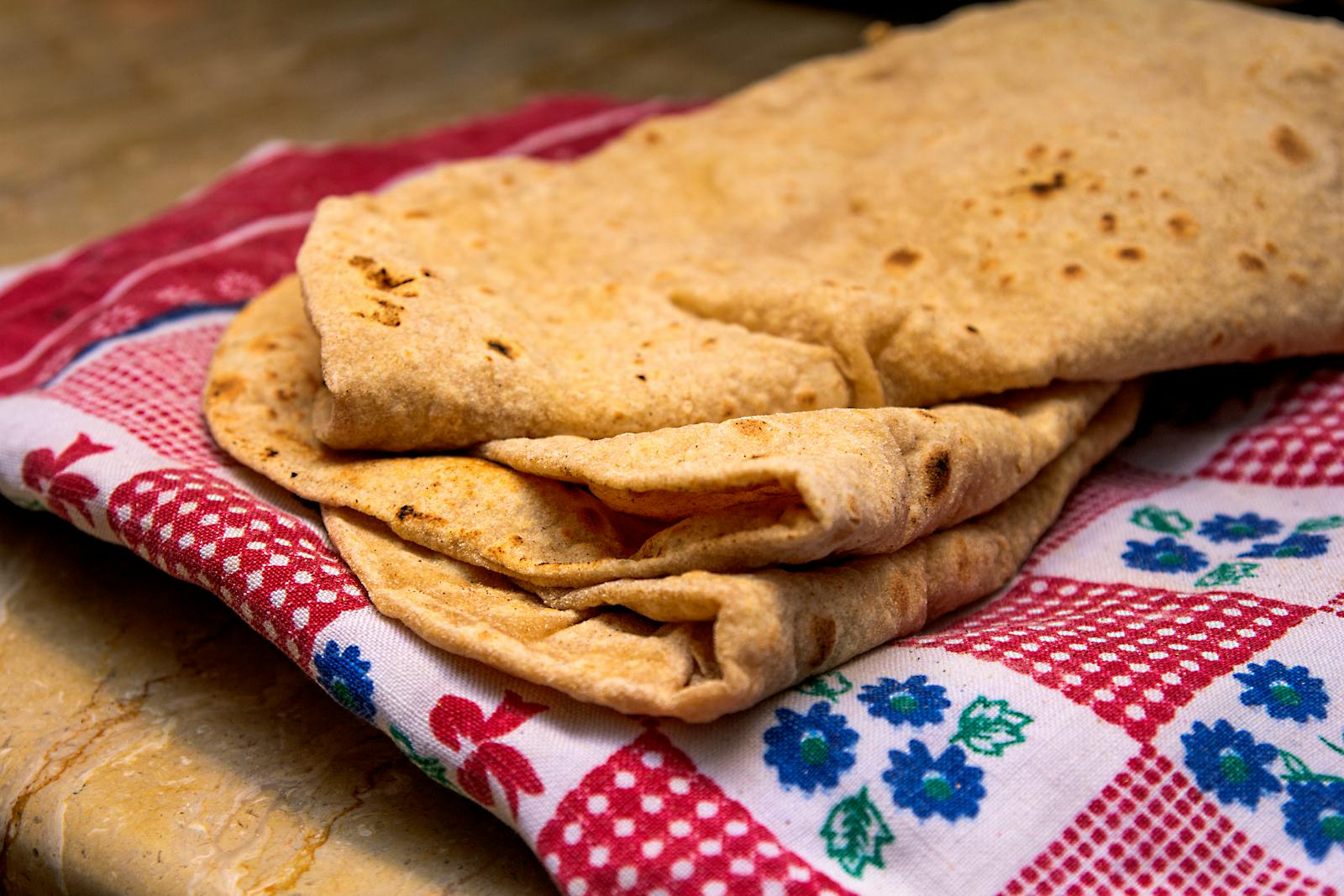
Millet flour is simply millet ground into a fine powder, and it is one of the most useful gluten-free flours you can keep on hand. It has a mild, faintly sweet, corn-like flavor and a pale yellow color, and because millet is naturally gluten-free, the flour is safe for celiac and gluten-sensitive bakers. The one thing to know up front is that millet flour has no gluten to build structure, so it shines in flatbreads and gluten-free blends rather than as a solo flour for a tall, airy loaf. Used the right way, it adds tenderness, a gentle sweetness, and real nutrition to everything from flatbreads to pancakes.
Quick answer: Millet flour is millet ground fine, a mild, faintly sweet, naturally gluten-free flour. Because millet has no gluten, it cannot build structure on its own, so it shines in flatbreads and as 20 to 40 percent of a gluten-free blend rather than as a solo flour for a tall loaf. It adds tenderness, gentle sweetness, and whole-grain nutrition to pancakes, quick breads, and flatbreads.
What is millet flour made from?
Millet flour is ground from whole millet seeds, the same small, round grains used in common millet and foxtail millet cooking. Most flour sold simply as “millet flour” is proso millet, though finger millet (ragi) and pearl millet (bajra) are milled into flour too, especially across South Asia and Africa. All behave similarly in the kitchen: fine, soft, and quick to absorb liquid. If you want the full picture of the grain before you bake, our what is millet guide covers the family.
Is millet flour gluten-free?
Yes. Millet is a true gluten-free grain, so the flour contains no gluten and is safe for people with celiac disease or non-celiac gluten sensitivity, with the standard caveat for any naturally gluten-free grain: buy certified gluten-free millet flour if you are highly sensitive, because shared milling equipment can introduce cross-contact. The grain itself is never the problem; handling is. This is exactly what makes it valuable, because it gives gluten-free bakers a whole-grain flour with real substance rather than the refined starches that fill many gluten-free products. Our gluten-free grains roundup sets it alongside the others.
What can you bake with millet flour?
Flatbreads, gluten-free blends, pancakes and waffles, and porridge or thickening for soups and stews. This is where millet flour earns its place, as long as you respect its lack of gluten.
- Flatbreads. Its natural home. Millet roti, bhakri, and thin pancakes need no gluten and let the flavor shine.
- Gluten-free blends. Use it as 20 to 40 percent of a multi-flour blend for cookies, muffins, and quick breads, where it adds tenderness and a buttery note.
- Pancakes and waffles. Millet flour makes a light, faintly sweet batter, on its own or blended.
- Porridge and thickening. A spoonful thickens soups and stews with a mellow flavor.
A bag of millet flour substitutes directly for part of the flour in most of these. What it cannot do alone is make a tall yeasted loaf, because without gluten or a binder like xanthan gum, the crumb stays crumbly.
How do you substitute millet flour for wheat flour?
The honest answer depends on the bake. In a flatbread or pancake, you can often go all millet. In anything that needs to rise or hold together, replace only 20 to 30 percent of the wheat or all-purpose flour with millet flour, and in a fully gluten-free recipe, combine it with starch (tapioca or potato) and a binder. Think of millet as a flavor-and-nutrition partner, not a one-for-one swap. For the broader art of baking with heritage grains, our ancient grain bread guide walks through how each flour behaves.
Is millet flour good for you?
It is a genuinely strong choice. As a whole-grain flour, millet flour brings fiber, plant protein, magnesium, and phosphorus, plus antioxidants, and it carries a moderate glycemic load when eaten as part of a balanced meal. Whole millet flour keeps the bran and germ that refined flours strip away, which is where most of that nutrition lives. Detailed figures are available through USDA FoodData Central, and the botany of this cereal grass is worth a read if you want to understand why it bakes the way it does. As always, the benefit is in eating whole grains regularly, not in any single flour.
Why is my millet flour baking dry or crumbly?
Almost always a gluten problem, and a fixable one. Used alone in a recipe meant for wheat, millet flour cannot trap gas or bind, so the result is dense and dry. The fixes: keep it to a minority of the blend, add a binder (xanthan or psyllium) in gluten-free bakes, and do not overbake, since millet flour dries out faster than wheat. A little extra fat or an egg also helps it hold together.
Where to go from here
Millet flour is the flour to reach for when you want gluten-free baking with real flavor and nutrition. Start with the common millet profile for everything in one place, then branch into how to cook millet for the whole grain and our millet recipes roundup for dishes. If you bake gluten-free often, the teff and sorghum profiles cover two more flours worth blending with millet.
Frequently asked questions
What does millet flour taste like?
Mild, faintly sweet, and corn-like, with a gentle nutty note. That mildness is why it blends so easily into both sweet and savoury bakes. Finger millet (ragi) flour is the exception, with an earthier, almost malty flavour.
Is millet flour the same as ragi flour?
Ragi flour is one kind of millet flour, milled from finger millet, but plain “millet flour” in Western shops is usually proso millet. They bake similarly, though ragi is darker, earthier, and higher in calcium.
How do you store millet flour?
Keep it cold. Because it is a whole-grain flour, it contains the germ, whose oils turn rancid at room temperature within a couple of months. Refrigerated it keeps about six months and frozen up to a year; a rancid, paint-like smell means it is past it.
Bake with millet
See our hand-picked millet flour and whole grain, with the brands worth buying.
Shop millet →