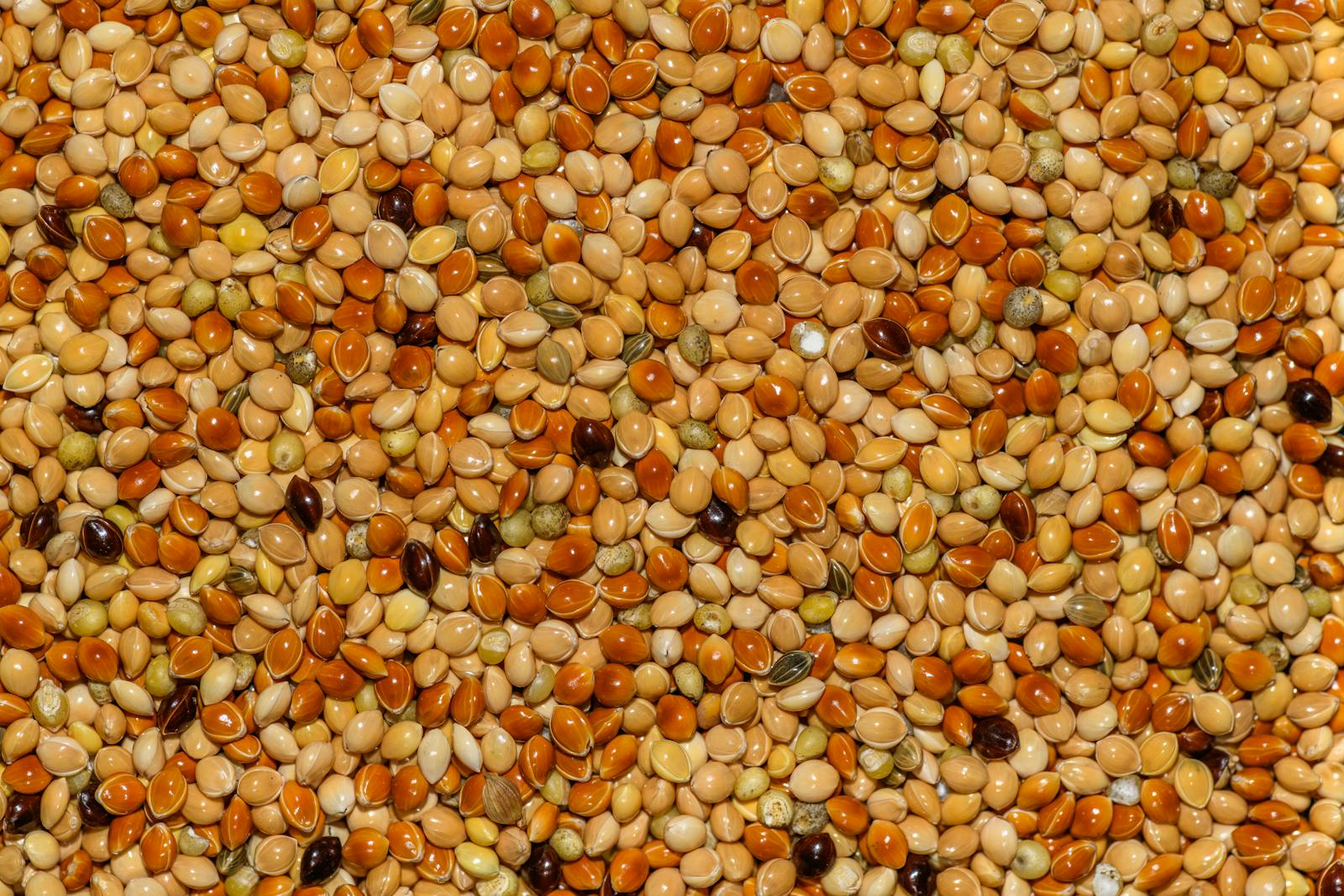
Millet is not one grain but a whole family of small-seeded grasses grown for food, and that is the first thing worth clearing up when people ask what is millet. The term covers more than a dozen distinct cereals, the most common being pearl, proso, foxtail, and finger millet. What they share is the important part: the seeds are tiny, round, naturally gluten-free, and remarkably tough crops that grow where almost nothing else will. Millet feeds well over a billion people across Asia and Africa, and it is one of the oldest grains humans ever cultivated. If you have only met it in birdseed, it is worth a second look, because nutritionally it is a serious grain.
Quick answer: Millet is not one grain but a family of small, round, naturally gluten-free grasses, the most common being pearl, proso, foxtail, and finger millet. It is one of the oldest cultivated cereals, still a staple for over a billion people across Asia and Africa, and it thrives where wheat and rice cannot. It is mild, quick-cooking, high in fibre and magnesium, and cooks fluffy or porridge-like depending on how much water you use.
What exactly is millet?
Millet is a common name, not a single species. Most of the millets belong to the grass subfamily Panicoideae, and the one usually sold as plain “millet” in Western shops is proso millet, Panicum miliaceum. The label rarely tells you the species, which is fine for cooking but can confuse anyone comparing nutrition data. The practical point is that all the culinary millets behave similarly: small grains, mild flavor, quick cooking, no gluten.
For a breakdown of how the individual types differ in taste and use, our types of millet guide covers pearl, foxtail, finger, and proso side by side. Here we are answering the broader question of what the grain is and why it matters.
Is millet gluten-free?
Yes. Millet is naturally gluten-free and is safe for people with celiac disease or non-celiac gluten sensitivity, with one standard caveat: cross-contamination. Millet is frequently processed on equipment shared with wheat, barley, and rye, so if you are strictly gluten-free, buy millet that is certified gluten-free rather than relying on the grain being inherently safe. The grain itself contains no gluten proteins. The risk is entirely in handling, a distinction the Celiac Disease Foundation makes for every naturally gluten-free grain.
This is what makes millet genuinely useful rather than just trendy. It gives celiac and gluten-free bakers a whole-grain option with real fiber and minerals, which the refined starches in many gluten-free products lack. Our gluten-free grains roundup puts it in context with the others.
Where does millet come from?
Millet has one of the deepest histories of any cultivated grain. Proso millet (Panicum miliaceum) and foxtail millet (Setaria italica) were domesticated in northern China at least 8,000 years ago, predating rice in that region, and pearl millet was independently domesticated in West Africa thousands of years ago. For most of human history, across the dry belts of Asia and Africa, millet rather than wheat or rice was the staple that kept populations fed. It fell out of favor in the West only because it yields less than wheat and lacks the gluten that makes airy bread possible. Its drought tolerance is now bringing it back into serious agricultural attention as a climate-resilient crop.
Is millet good for you?
This is where millet earns its place. It is a whole grain when sold hulled but unrefined, and it brings a genuinely useful nutritional profile, summarised below.
| Nutrient | What millet offers |
|---|---|
| Fiber | Good source, supports digestion and satiety |
| Magnesium | High, relative to most cereals |
| Phosphorus | High, supports bone and energy metabolism |
| Antioxidants | Notable phenolic compounds, especially in finger millet |
| Protein | Roughly 11 percent, comparable to wheat |
Full figures are available through USDA FoodData Central. Two honest caveats keep this from being hype. First, millet has a moderate to high glycemic index depending on how it is cooked, so it is not automatically a low-GI food. Second, raw millet contains goitrogens, compounds that can interfere with thyroid function in very large amounts, though normal cooked portions are not a concern for most people. As whole grains go, the evidence base for millet is solid and improving, with growing research into its role in blood-sugar management.
What does millet taste like, and how do you cook it?
Millet has a mild, faintly corn-like, slightly nutty flavor that takes on whatever you cook it with. The single decision that matters is water ratio: less water gives you fluffy, separate grains like couscous, more water gives you a creamy porridge. A bag of whole grain millet cooks in about 20 minutes either way, and millet flour works in gluten-free blends, though on its own it is too crumbly for bread.
For the full method, see how to cook millet, and for specific dishes spanning porridge to dosa, our millet recipes roundup. Millet flour also turns up in mixed gluten-free loaves, which the ancient grain bread guide addresses alongside the other heritage grains.
How does millet compare to other ancient grains?
Millet sits comfortably alongside the other gluten-free ancient grains, with its own strengths. It is milder and cheaper than quinoa, cooks faster than most, and tolerates worse growing conditions than nearly anything. Quinoa beats it on complete protein, and sorghum rivals it for drought resistance. If you are building a gluten-free pantry, millet is the affordable workhorse to quinoa’s premium seed. Compare the common millet and foxtail millet profiles with quinoa and sorghum, and read the history of quinoa for how its best-known rival rose to fame.
Where to go from here
Millet is the grain to reach for when you want whole-grain nutrition without gluten and without spending a fortune. Start with the common millet profile for everything in one place, then move to how to cook millet once you are ready to put a pot on.
Frequently asked questions
Is millet the same as birdseed?
It is the same grain, but not the same grade. The millet in birdseed is unhulled and not cleaned for people, while culinary millet is hulled and food-grade. Buy millet sold for cooking rather than scooping it from a birdseed bag.
Do you need to rinse or soak millet before cooking?
Rinsing is worth it to wash off dust and any bitterness, and toasting the dry grains in the pan for a couple of minutes first deepens the flavour. Soaking is optional, but an hour’s soak softens the grain and reduces the phytates that can blunt mineral absorption.
What are the main types of millet?
The four you will meet most are pearl, proso, foxtail, and finger millet; proso is what is usually sold as plain “millet” in Western shops. Our types of millet guide compares how each one tastes and cooks.
Cook with millet
See our hand-picked millet, from whole grain to flour, with the brands worth buying.
Shop millet →