 By Eli Stanton · Published · 1218 words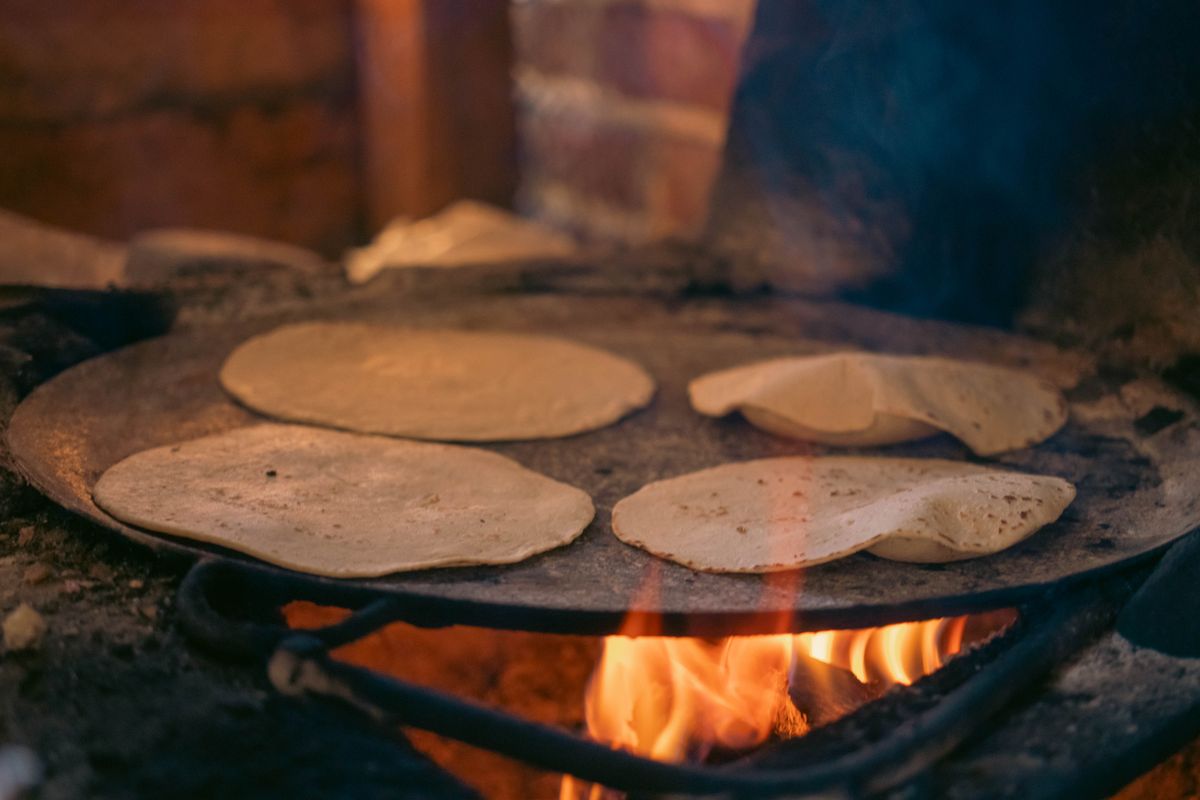
Corn is not wheat, so the answer looks obvious, and mostly it is. But I have watched enough people in Mexico City and in American supermarkets get caught by the same trap to know the honest answer needs a caveat: corn tortillas are gluten-free by nature, yet a meaningful share of the ones on US shelves are not, because manufacturers blend wheat flour in for pliability and cost. A traditional tortilla made the old way is three ingredients and perfectly safe. A cheap supermarket one might quietly be a flour-corn hybrid, and the label is the only way to know.
Quick answer: Yes, corn tortillas are gluten-free when made the traditional way, from nixtamalized corn (masa), water, and lime, since corn contains no gluten. The catch is that some commercial brands add wheat flour to make the tortillas softer and cheaper, so always check the ingredient list or look for a certified gluten-free label. Flour tortillas are always wheat and never gluten-free.
What are corn tortillas actually made of?
Three things, traditionally: corn, water, and calcium hydroxide, the mineral lime that makes the whole thing work. The corn is simmered and steeped in limewater in a process called nixtamalization, which loosens the hulls, unlocks the niacin, and lets the ground kernels bind into masa. That masa is pressed and cooked on a comal. Nowhere in that sequence is there wheat, barley, or rye, which is why corn tortillas are a staple in gluten-free kitchens and why corn sits comfortably on our list of naturally gluten-free grains.
The nixtamalization step is also why corn tortillas hold together without gluten at all. The lime bath frees pectins and proteins that act as their own binder, a piece of food engineering the Mesoamericans worked out around 1500 BCE, which is roughly the same era our ancient grains were being domesticated across the Atlantic.
Which corn tortillas contain wheat?
The ones that list it, and they are more common than most shoppers expect. Manufacturers add wheat flour to corn tortillas for three reasons: it makes them more pliable so they crack less when rolled, it extends shelf life, and it costs less than masa. The blends are usually sold as soft taco or “corn and flour” tortillas, and they are not required to shout about it anywhere but the ingredient list.
| Product | Gluten status | What to check |
|---|---|---|
| Traditional 100% corn tortillas | Gluten-free | Ingredients: corn masa, water, lime |
| “Corn and flour” blend tortillas | Contains gluten | Wheat flour listed second or third |
| Flour tortillas | Contains gluten | Always wheat |
| Certified GF corn tortillas | Gluten-free, tested | Certification mark on the bag |
Per the FDA gluten-free labeling rule, any package carrying a gluten-free claim must test under 20 parts per million, so a certified bag is the safest purchase for celiac disease. Mission, Guerrero, and La Banderita all sell 100% corn lines, and brands like Siete build their whole catalog around grain-free and gluten-free.
Are tortilla chips gluten-free?
Usually yes, since most tortilla chips are just corn, oil, and salt, but two things can change the answer. Flavored chips often carry wheat-based seasonings, especially anything ranch, beer-battered, or “seasoned,” and fryer sharing is a real risk in restaurants where the same oil cooks breaded items. Bagged chips from a dedicated gluten-free line are safe; a basket at an unfamiliar restaurant is worth one question to the server. Our gluten-free crackers guide covers the wider snack-aisle rules, which run on the same read-the-label logic.
Can you eat corn tortillas with celiac disease?
Yes, provided the package says 100% corn or carries a gluten-free certification, and this is exactly why corn tortillas are one of the most useful staples in a celiac kitchen. They replace sandwich bread, wrap anything, and cost less than gluten-free specialty products. The Celiac Disease Foundation lists corn among the grains that are safe by nature. The two practical cautions are the wheat-blend products above and cross-contact in shared kitchens or taquerias where flour tortillas are handled on the same surfaces. Ask, and most kitchens will happily open a fresh bag.
Is masa harina gluten-free too?
Yes, masa harina is simply nixtamalized corn dried and milled to flour, so it carries no gluten and lets you make tortillas from scratch in about twenty minutes: two cups masa harina, one and a half cups warm water, a half teaspoon of salt, pressed and cooked ninety seconds a side on a dry skillet. It is the cheapest reliable way to guarantee what is in your tortilla. A supermarket-standard bag like Bob’s Red Mill organic masa harina does the everyday job, while Masienda’s heirloom masa harina is the single-origin upgrade that tastes like a tortilleria. Masa harina is not interchangeable with cornmeal or corn flour, which skip the lime bath and will not bind into a workable dough, a distinction worth knowing before a first attempt.
Where to go from here
Corn tortillas earn their place as the most versatile naturally gluten-free staple there is, and the pantry around them is broad: our gluten-free grains guide maps everything else that is safe by nature, from quinoa to teff, and the is rice gluten-free explainer answers the other question every new gluten-free cook asks in week one. For the baking side, our gluten-free flour guide covers blends, and if it is bread you miss, the gluten-free bread recipe is the loaf worth learning. Corn’s other great American bread runs into the same wheat-in-the-mix trap, which our gluten-free cornbread guide sorts out.
Frequently asked questions
Are flour tortillas ever gluten-free?
Not the traditional kind, which is wheat flour by definition. Some brands sell gluten-free “flour-style” tortillas built from cassava, almond, or rice flour that mimic the softness; they are safe, but they are a different product wearing the same name.
Do corn tortillas contain corn syrup or other additives?
Rarely in traditional brands, which stop at corn, water, and lime, though mass-market bags often add guar gum, cellulose gum, or preservatives like propionic acid. None of those contain gluten, so they affect texture and shelf life rather than safety.
Why do my corn tortillas crack when I roll them?
Because they are dry, not because they lack gluten. Warm them properly first: 15 to 20 seconds a side on a dry skillet, or wrapped in a damp towel in the microwave, and they turn pliable enough to fold without breaking.
Are corn tortillas healthier than flour tortillas?
Generally yes by the numbers: corn tortillas are smaller, lower in calories and fat, higher in fiber, and made from whole-grain corn, while flour tortillas usually add lard or shortening. The nixtamalization process also raises the available niacin and calcium.
Make tortillas you can trust
Masa harina is nixtamalized corn and nothing else, so a bag settles the gluten question for good. Start with the everyday organic one, or step up to heirloom.
Shop masa harina →Stock the naturally gluten-free pantry
Quinoa, teff, sorghum, and the rest of the grains that are safe by nature, profiled with nutrition and recipes.
Browse all grains →