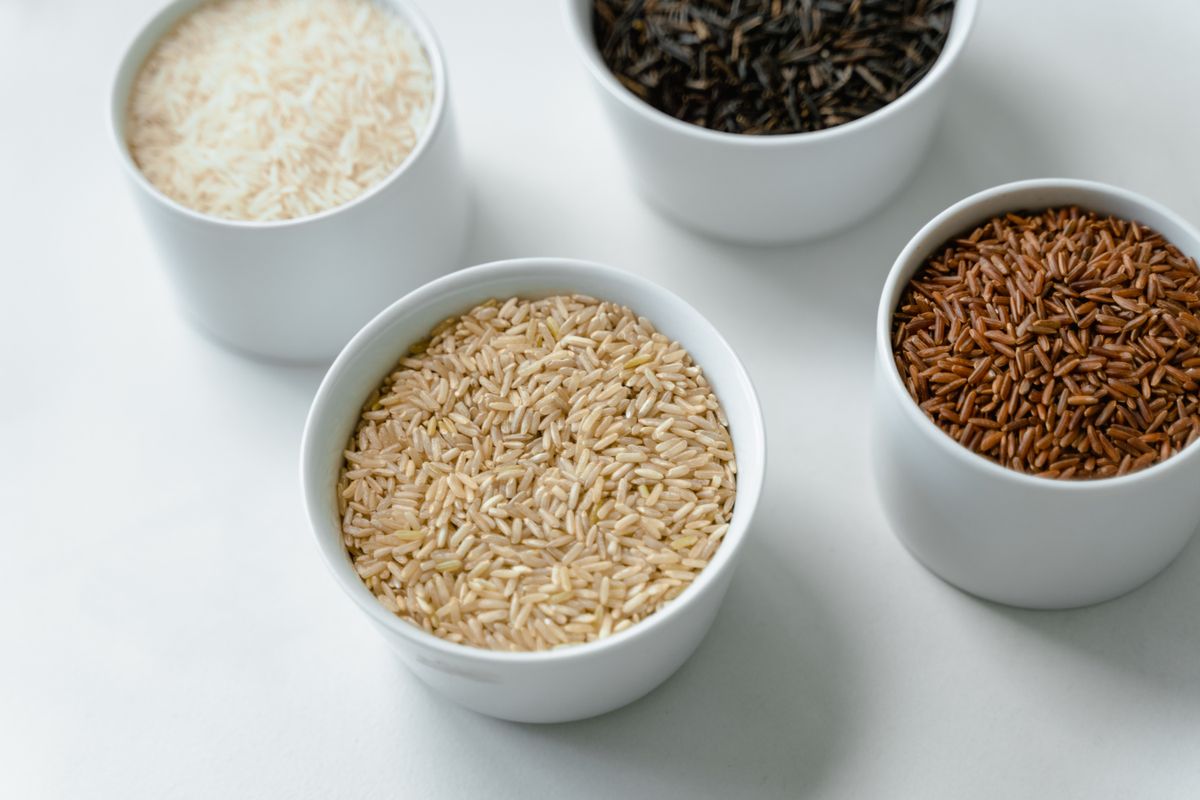
Is rice gluten-free? Yes. Rice is one of the safest staples on a gluten-free diet, and every pure variety, white, brown, jasmine, basmati, wild, and everything in between, is naturally free of gluten. As a food scientist who works on celiac response, this is the answer I give most often and with the least hesitation. But the question hides three real traps, and every one of them has put gluten in front of someone who thought they were eating plain rice. So the honest answer is yes, rice is gluten-free, and here is exactly where people still get caught.
Quick answer: Yes, all pure rice is naturally gluten-free. White, brown, jasmine, basmati, black, red, and wild rice contain no gluten, and neither does plain rice flour. The three things that catch people are Rice Krispies and similar cereals (sweetened with barley malt), cross-contamination from shared equipment, and seasoned or boxed rice mixes that add wheat-based flavorings. Plain rice from a sealed bag is safe.
Is rice gluten-free?
Yes, without qualification for the grain itself. Rice (Oryza sativa) belongs to a different botanical tribe than wheat, barley, and rye, the three grains that carry gluten, so it never developed the gluten-forming proteins that trigger celiac disease. The Celiac Disease Foundation lists rice among its core safe grains, and it is the backbone of most gluten-free flour blends for exactly this reason. Our gluten-free grains guide maps where rice sits among the other naturally safe options like quinoa and buckwheat.
Unlike the heritage wheats that get marketed as “ancient” and “easier to digest” but still contain gluten (our is spelt gluten-free answer covers that trap in full), rice needs no asterisk. The grain is safe. The traps live in what gets done to it after harvest.
Is white rice gluten-free? Is brown rice?
Both, equally. White rice is simply brown rice with the bran and germ polished off, and neither the polishing nor the bran has anything to do with gluten. Brown rice keeps more fiber and minerals, white rice cooks faster and stores longer, but on the gluten question they are identical: both are safe. The same goes for every color and length on the shelf.
| Rice type | Gluten-free? | Notes |
|---|---|---|
| White (long, short, medium) | Yes | The default gluten-free staple |
| Brown | Yes | Whole-grain version, more fiber |
| Jasmine | Yes | Aromatic Thai long-grain |
| Basmati | Yes | Aromatic Indian/Pakistani long-grain |
| Black (forbidden) | Yes | High-anthocyanin heirloom |
| Red | Yes | Whole-grain, nutty |
| Arborio / risotto | Yes | The starch is rice starch, not gluten |
Is jasmine and basmati rice gluten-free?
Yes, both. Jasmine and basmati are aromatic long-grain varieties, prized for fragrance and texture, and aroma has nothing to do with gluten. A plain bag of either is completely safe. The only caution is the same one that applies to any rice: buy it plain. Pre-seasoned basmati pilaf mixes and jasmine rice “sides” in a box are where wheat-based seasonings sneak in, which is the third trap below.
Is rice flour gluten-free?
Yes, and it is one of the most useful flours on a gluten-free diet. Rice flour is simply milled rice, so it carries no gluten and forms the base of most gluten-free flour blends. That includes glutinous (sweet) rice flour, whose name misleads constantly: “glutinous” describes the sticky texture of cooked sweet rice, not gluten content, and it contains none. If you bake gluten-free, a bag of rice flour is a pantry staple; our full rice flour guide breaks down white versus brown versus glutinous and how to use each, and the mochi recipe puts the sweet rice version to its most famous use.
Are Rice Krispies gluten-free?
No, and this is the trap that catches the most people. Rice Krispies are made from rice, but standard Kellogg’s Rice Krispies are sweetened with barley malt, and barley is one of the three gluten grains. The malt is a small ingredient, but it puts the cereal well over the 20 parts-per-million threshold that defines gluten-free, so the classic blue box is not safe for celiacs. Our is barley gluten-free explainer covers why barley malt is such a common hidden source in cereals, granola, and “made with whole grains” products.
The fix is easy: buy a certified gluten-free crisped-rice cereal (several brands make one specifically for gluten-free rice-krispie treats). Always read the label, because “made from rice” and “gluten-free” are not the same claim.
What are the other rice traps for celiacs?
Two more, both about what is added to the rice rather than the rice itself.
- Cross-contamination. Rice sold from bulk bins, or cooked in a kitchen that also handles wheat pasta and soy sauce, can pick up trace gluten. For strict celiac safety, buy sealed bags, and at restaurants ask whether the rice shares water or utensils with gluten-containing dishes.
- Seasoned and boxed rice mixes. Flavored rice sides, pilaf kits, and “rice-a-roni” style boxes frequently contain wheat: the classic version literally blends rice with wheat-based orzo pasta. Risotto stocks and bouillon can hide it too. The rice is innocent; the flavor packet is not. The FDA’s gluten-free labeling rule means anything labeled “gluten-free” has been verified under 20 ppm, so that label is your shortcut past all of this.
Where to go from here
Rice is a foundation, not the whole pantry. Our gluten-free grains guide covers the full safe-grain landscape, from quinoa to sorghum, and the rice flour guide is the one to read next if you bake. Worth knowing: wild rice is not actually rice at all but the seed of an aquatic grass, and it is also naturally gluten-free. When a claim matters to your health, look for the certified gluten-free label and check the ingredient list; with plain rice, both will almost always reassure you.
Frequently asked questions
Is sushi rice gluten-free?
The rice itself is, but sushi often is not. Sushi rice is seasoned with rice vinegar, which is fine, but imitation crab, soy sauce, and some sauces contain wheat. Ask for tamari (wheat-free soy sauce) and skip the imitation seafood.
Is rice pudding gluten-free?
The rice and milk are gluten-free, so a homemade rice pudding usually is. Watch boxed mixes and restaurant versions, which can add wheat-based thickeners or toppings; check the label or ask.
Does rice have any gluten at all?
No. Pure rice of every variety contains zero gluten. Any gluten in a rice product comes from an added ingredient (barley malt, wheat seasoning) or from cross-contamination, never from the rice grain itself.
Is wild rice gluten-free?
Yes. Despite the name, wild rice is not true rice but the seed of an aquatic grass, and it contains no gluten. Buy it plain rather than in a seasoned blend and it is completely safe.
Build a gluten-free pantry that actually bakes
Rice flour anchors most gluten-free blends. See the naturally gluten-free grains and flours we trust, from rice to sorghum to teff.
Browse all grains →