 By Thea Brennan · Published · 1736 words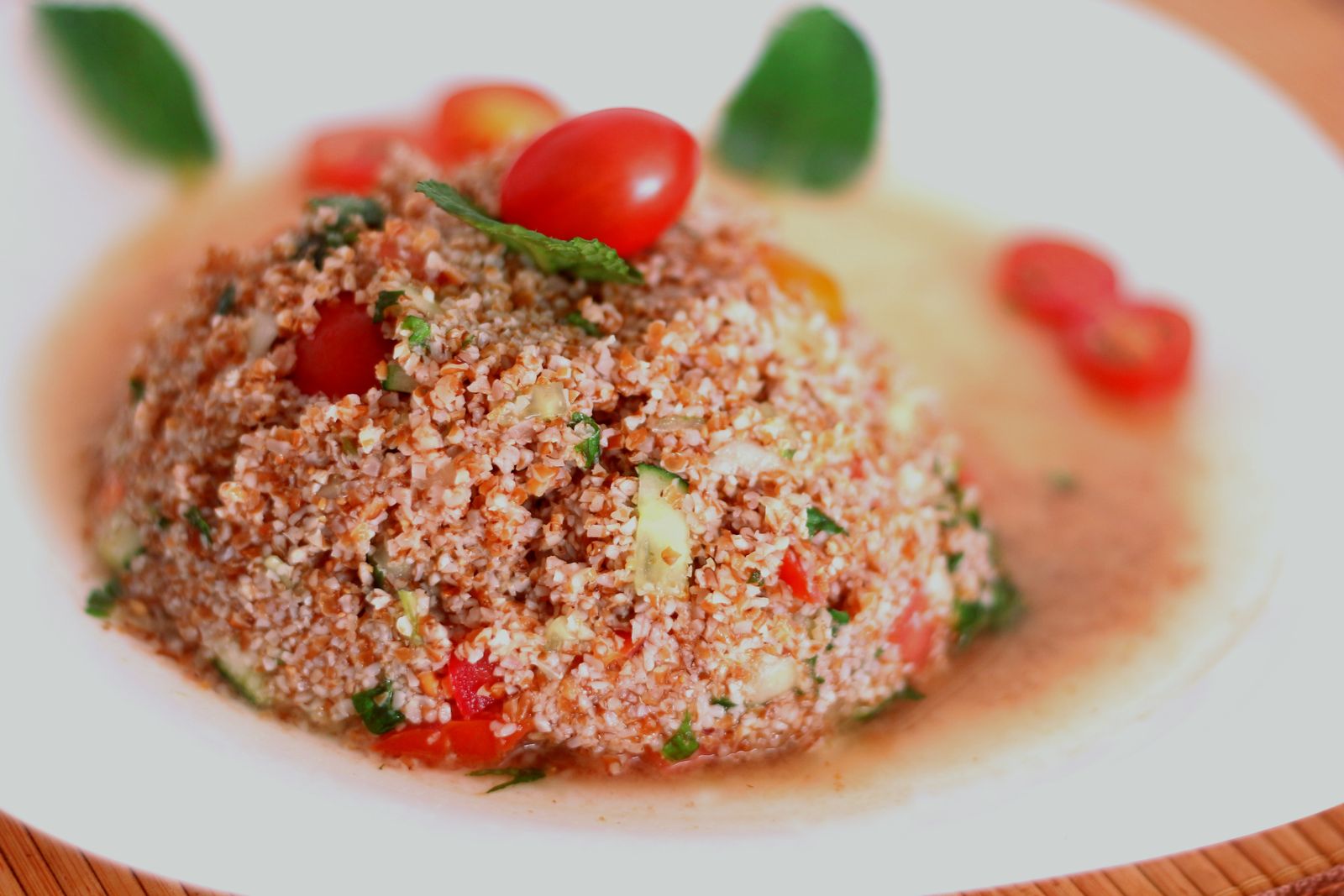
The best bulgur recipes have fed the eastern Mediterranean for thousands of years, long before anyone called grains “ancient.” Bulgur is wheat that has been parboiled, dried, and cracked, which means it cooks in minutes and carries a nutty, wholesome flavor that no quick rice can match. It is a true wheat, so it contains gluten. What it is not is fussy: most bulgur recipes ask only that you let the grain soak or simmer briefly, then build flavor around it. From the herb-flecked tabbouleh of Lebanon to the warm pilafs of Anatolia, here are seven ways to cook with it, starting with the method everything else rests on.
Quick answer: Bulgur is wheat that has been parboiled, dried, and cracked, so it cooks in minutes. Fine bulgur just needs a 15-minute soak in boiling water or stock (1 to 1.5 ratio); coarse bulgur simmers like rice (1 to 2) for about 12 minutes. Use fine bulgur for uncooked salads like tabbouleh, kisir, and kibbeh, and coarse for pilafs and soups. It is a true wheat, so it contains gluten.
How do you cook bulgur?
This is the only thing you need to learn, and it takes one reading. Fine bulgur barely needs heat: cover it with boiling water or stock at a 1 to 1.5 ratio, put a lid on, and let it sit 15 minutes until the water is gone, then fluff. Coarse bulgur is more like rice: simmer it 1 part grain to 2 parts liquid for about 12 minutes, then rest. That is the whole technique. Bulgur is one of the oldest convenience foods in the world, and that is exactly why it spread so far.
- 1 cup (140 g) bulgur, fine or coarse
- 1 1/2 cups (360 ml) boiling water or stock for fine (soaked), or 2 cups (480 ml) for coarse (simmered)
- 1/2 tsp fine salt
Seven bulgur recipes to try
| Dish | Origin | Why it works |
|---|---|---|
| Tabbouleh | Lebanon | Herb-forward salad where bulgur is a supporting player to parsley and mint |
| Kisir | Turkey | Spicier cousin of tabbouleh with pepper paste and pomegranate molasses |
| Kibbeh | Syria / Lebanon | Bulgur bound with minced meat or pumpkin into torpedoes or a baked tray |
| Bulgur pilaf | Turkey | Toasted bulgur simmered with onion, tomato, and stock |
| Mujadara-style bulgur | Levant | Bulgur and lentils crowned with sweet caramelized onions |
| Bulgur grain salad | Eastern Med | Make-ahead bowl with chickpeas, cucumber, and lemon |
| Bulgur breakfast bowl | Modern | Simmered in milk with honey, dates, and nuts |
1. Tabbouleh
The dish most people meet first, and the most misunderstood. Real tabbouleh is overwhelmingly parsley and mint, with fine bulgur as a textural whisper, not a base. Soak the bulgur, then fold it through mountains of chopped herbs, tomato, lemon, and good olive oil. If your tabbouleh looks like a grain salad with a little green in it, you have the proportions backwards.
- 1/4 cup (35 g) fine bulgur, soaked and squeezed dry
- 3 cups (150 g) finely chopped flat-leaf parsley (about 3 bunches)
- 1/2 cup (25 g) chopped fresh mint
- 3 ripe tomatoes, finely diced
- 3 scallions, thinly sliced
- 1/4 cup (60 ml) lemon juice
- 1/4 cup (60 ml) olive oil
- Salt, to taste
2. Kisir
Turkey’s answer to tabbouleh, and bolder. It leans on red pepper paste, pomegranate molasses, and a little heat, with a higher proportion of bulgur to herbs. Served cool, often wrapped in lettuce leaves, it is the kind of dish that disappears at a gathering.
- 1 cup (140 g) fine bulgur
- 1 1/4 cups (300 ml) boiling water (a touch less than the base soak; the pepper paste and molasses bring their own moisture)
- 2 tbsp Turkish red pepper paste (biber salcasi)
- 2 tbsp pomegranate molasses
- 3 tbsp olive oil
- 1/2 cup (25 g) chopped parsley
- 3 scallions, thinly sliced
- 1 tsp Aleppo pepper flakes
- Salt, to taste
- Lettuce leaves, to serve
3. Kibbeh
The showpiece. Fine bulgur is kneaded with minced lamb or beef (or pumpkin and spice for a vegan version) into a paste, then shaped into torpedoes around a spiced filling and fried, or layered into a tray and baked. It is patient cooking, and worth every minute.
- 2 cups (280 g) fine bulgur, soaked and squeezed dry
- 1 lb (450 g) finely minced lamb or beef
- 1 onion, grated
- 1 tsp allspice
- 1/2 tsp cinnamon
- Salt and black pepper, to taste
- 1/2 lb (225 g) minced lamb or beef
- 1 onion, diced
- 1/4 cup (35 g) pine nuts
- Neutral oil, for frying
4. Bulgur pilaf
The weeknight workhorse. Toast coarse bulgur in butter or oil with onion until it smells nutty, add tomato and stock, and simmer until fluffy. It stands in for rice beside almost any stew, and the toasting step is what separates a good pilaf from a dull one.
- 1 cup (140 g) coarse bulgur
- 2 tbsp butter or olive oil
- 1 onion, diced
- 2 tbsp tomato paste (or 1 ripe tomato, chopped)
- 2 cups (480 ml) chicken or vegetable stock
- Salt, to taste
5. Mujadara-style bulgur
The Levantine comfort dish of grain, lentils, and deeply caramelized onions, made with bulgur instead of rice. The onions are not a garnish; they are the point. Cook them slow and dark, and spoon the sweet tangle over the pot with a dollop of yogurt.
- 1 cup (140 g) coarse bulgur
- 1 cup (200 g) green or brown lentils, rinsed
- 3 onions, thinly sliced
- 1/3 cup (80 ml) olive oil
- 1 tsp ground cumin
- 4 cups (960 ml) water
- Salt, to taste
- Plain yogurt, to serve (optional)
6. Bulgur grain salad
The make-ahead bowl for the week. Cooked coarse bulgur, chickpeas, cucumber, and lemon hold together in the fridge for days, and the flavor deepens rather than fades. It is the same make-ahead logic as our farro and quinoa bowls, with bulgur’s quicker cooking as the bonus.
- 3 cups cooked coarse bulgur, cooled
- 1 1/2 cups (250 g) cooked chickpeas
- 1 1/2 cups (200 g) cucumber, diced
- 1/2 cup (25 g) chopped parsley
- 3 tbsp lemon juice
- 3 tbsp olive oil
- Salt and black pepper, to taste
7. Bulgur breakfast bowl
The modern entry, and the one that surprises people. Simmered in milk with honey and dates, bulgur makes a porridge with more texture than oatmeal and a gentle wheat sweetness that needs very little help.
- 1/2 cup (70 g) fine or medium bulgur
- 1 1/2 cups (360 ml) milk, dairy or plant
- Pinch of salt
- 1 tbsp honey
- 4 dates, chopped
- 1/4 cup (30 g) toasted nuts
What is the difference between fine and coarse bulgur?
The grade decides the dish. Fine (or extra-fine) bulgur is for things you do not cook: tabbouleh, kisir, kibbeh, where a brief soak softens it. Coarse bulgur is for pilafs and soups, where it simmers and stays distinct like rice. Medium sits between the two. Buying the wrong grade is the most common reason a bulgur recipe disappoints, so check the bag.
Is bulgur the same as cracked wheat?
Almost, but not quite. Both are crushed wheat, but bulgur is parboiled first, then dried and cracked, while plain cracked wheat is raw. That parboiling is why bulgur cooks so quickly and keeps for months. The Levant’s other processed wheat, freekeh, takes the opposite route: harvested green and roasted for a smoky chew. The technique is ancient, and the history of these wheats runs back to the early grain cultures of Mesopotamia. Nutritionally bulgur is a whole grain, with good fiber and protein; figures are available through USDA FoodData Central.
Where to go from here
Bulgur belongs to the great family of ancient wheats, so if its flavor draws you in, the whole-grain cousins are worth knowing. See our emmer wheat and einkorn wheat profiles for the older grains behind today’s wheat (the what is emmer wheat explainer tells farro’s fuller story), and the ancient grain bread guide for baking with them. For more grain-salad inspiration, our Greek quinoa salad is a natural sibling (modern tabbouleh is often made with quinoa now), and the history of quinoa traces how that swap came to be.
Frequently asked questions
Is bulgur gluten-free?
No. Bulgur is simply cracked, parboiled wheat, so it contains gluten and is not safe for anyone with celiac disease or a wheat allergy. If you want a similar quick-cooking grain that is naturally gluten-free, quinoa or millet stands in well; see our gluten-free grains guide.
Is bulgur good for you?
Yes. Bulgur is a whole grain, so it keeps its bran and germ and delivers good fibre and protein with a low glycemic response, which makes it more filling and steadier on blood sugar than white rice or couscous. It is a genuinely nutritious base for salads, pilafs, and bowls.
How do you store cooked bulgur?
Cooked bulgur keeps in a sealed container in the fridge for four to five days, which is why the grain salads here work so well for meal prep. It also freezes for up to three months; thaw it or reheat with a splash of water, or use it cold straight from the fridge.
Stock the pantry staple
Red bulgur is the coarse grind that holds up in pilafs and warm salads; a four-pack keeps for a year in a sealed jar.
Shop bulgur →