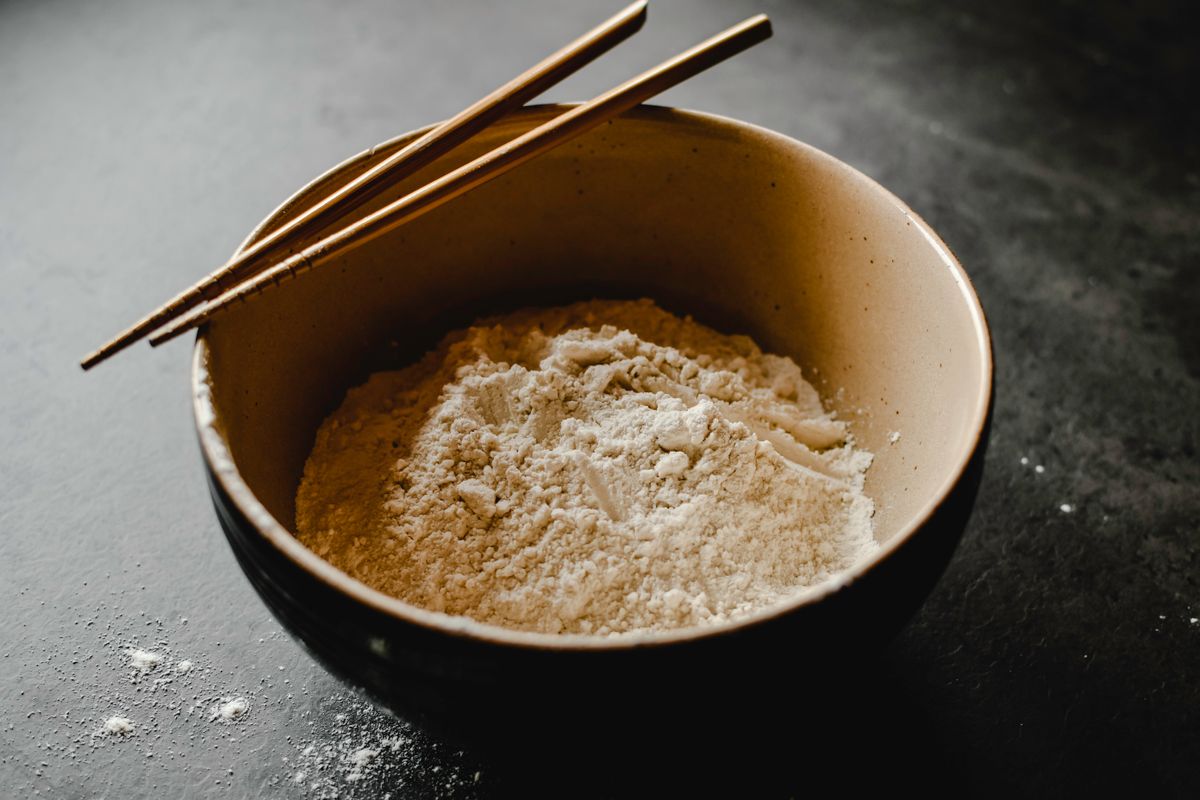
Rice flour is the most widely used gluten-free flour on the planet, and also the most misunderstood bag in the baking aisle, because it is not one flour. It is three: white rice flour, brown rice flour, and glutinous rice flour, which shows up on labels as sweet rice flour, mochiko, or malagkit depending on which cuisine’s shelf you are standing in. I have cooked with all three in kitchens from Mexico City to Beijing, and the fastest way to a gummy mochi or a gritty cake is grabbing the wrong one. This guide sorts them out.
Quick answer: Rice flour is finely milled rice, and it is naturally gluten-free. White rice flour is the neutral all-purpose workhorse, brown rice flour is the whole-grain version with more fiber and a nuttier taste, and glutinous rice flour (sweet rice flour, mochiko, malagkit) contains no gluten despite the name; it is a sticky-starch flour used for mochi, tangyuan, and chewy Filipino desserts. The three are not interchangeable.
What is rice flour?
Rice flour is milled from raw rice kernels, ground fine enough to behave like a flour rather than a meal. Because rice carries none of the gluten proteins found in wheat, barley, and rye, every true rice flour is gluten-free, which is why it anchors most gluten-free blends. The Celiac Disease Foundation lists rice among the safe grains for celiac diets, with the usual advice to buy certified bags if cross-contamination matters to you.
The confusion starts because “rice flour” on a label can mean three different products, milled from different rice types with different starch profiles. Brown rice flour keeps the bran and germ, which is why USDA FoodData Central shows it carrying roughly four times the fiber of white rice flour. The table below is the sorting key.
| Type | Also sold as | Made from | Texture and taste | Best for |
|---|---|---|---|---|
| White rice flour | rice flour, Thai rice flour | Polished long- or medium-grain rice | Neutral, light, slightly sandy if coarsely milled | GF flour blends, dredging, noodles, bibingka |
| Brown rice flour | wholegrain rice flour | Unpolished whole-kernel rice | Nutty, denser, more fiber | GF breads, muffins, sourdough starters |
| Glutinous rice flour | sweet rice flour, mochiko, malagkit | Short-grain sticky rice | Chewy, stretchy, sticky when cooked | Mochi, tangyuan, kakanin, thickening |
Is glutinous rice flour gluten-free?
Yes. The name is the single most confusing label in the flour aisle, and it trips up newly diagnosed celiacs constantly. “Glutinous” describes the glue-like stickiness of cooked sweet rice, not gluten content. Sticky rice is nearly pure amylopectin, the starch that makes things chewy and cohesive, and it contains zero gluten protein. Every form of rice flour is safe on a gluten-free diet; our gluten-free grains guide covers where rice sits in the wider safe-grain landscape.
What is malagkit rice flour?
Malagkit is the Filipino word for glutinous rice, so malagkit rice flour is the same product sold elsewhere as sweet rice flour or, in the Japanese style, mochiko. It is the backbone of Filipino kakanin: bibingka’s chewy crumb, palitaw dumplings rolled in coconut, and the sticky layers of sapin-sapin. If a Filipino recipe calls for malagkit flour and your store stocks Koda Farms Mochiko, buy it without hesitation; it is the same short-grain sticky-rice flour under a Japanese label, and the blue star box has been the reliable standard for decades.
One practical note from cooking across these cuisines: Thai glutinous rice flour (Erawan’s green bag) is milled slightly finer than mochiko, which matters for delicate tangyuan but not for bibingka or mochi brownies. Any of them will work in any of these dishes.
What is rice flour used for?
Four jobs, in rough order of how often home cooks reach for it.
- Gluten-free baking blends. White and brown rice flour form the base of most GF blends, usually 40 to 60 percent, with starches for lift and a binder for structure. Rice flour brings body without flavor interference.
- Chewy Asian sweets. Glutinous rice flour is not a substitute here; it is the ingredient. Mochi, tangyuan, nian gao, and kakanin all depend on its amylopectin chew, and our mochi recipe is the easiest place to start.
- Crisping and dredging. White rice flour fries crisper than wheat flour because it absorbs less oil. It is the secret to shatter-crisp Korean fried chicken and tempura.
- Thickening. Sweet rice flour thickens sauces and gravies without the skin that wheat flour forms, and it freezes without weeping, which is why it is the classic choice for freezer-bound fruit pie fillings.
Can I substitute rice flour for all-purpose flour?
Not one-to-one in most baking. Rice flour has no gluten, so anything that needs structure (bread, pizza, laminated pastry) will crumble without help. The working rules follow from that.
- Dredging, frying, thickening: swap 1:1 with no adjustment. This is the easy case.
- Cookies, quick breads, muffins: replace up to about 25 percent of the wheat flour with rice flour for tenderness without structural collapse.
- Full gluten-free baking: use a blend, not straight rice flour, and add a binder. Psyllium husk is the binder that makes GF bread genuinely workable, and our psyllium husk powder guide covers the ratios; the broader recipe math lives in our gluten-free flour primer.
- Crackers: a rice-flour blend rolled thin with olive oil and seeds is the easiest savoury bake there is; the one-bowl version in our gluten-free crackers guide takes about 20 minutes in the oven.
- Never swap glutinous for regular rice flour in a blend. Sweet rice flour turns a sandwich loaf gummy; regular rice flour turns mochi into a sad cracker.
Unlike spelt or einkorn flour, which carry real gluten despite their heritage-grain marketing (our is spelt gluten-free explainer covers that trap), rice flour genuinely is safe for celiac baking. The trade is that you must build structure some other way.
Which rice flour should I buy?
For white rice flour, Bob’s Red Mill White Rice Flour is the dependable widely stocked pick, milled fine enough for blends without the grittiness cheap bags have. Thai brands (Erawan’s red bag, 52USA) are finer still and cost less at Asian groceries; they are excellent if you have access. For brown rice flour, stone-ground bags labeled “superfine” are worth the upcharge in bread. For glutinous rice flour, Koda Farms Mochiko is the classic; Erawan’s green bag is the Thai equivalent.
Storage matters more than brand: brown rice flour carries oils from the bran that go bitter within a few months at room temperature. Keep it in the freezer, and keep white and glutinous flours sealed against humidity.
Where to go from here
Rice flour is the gateway to a bigger gluten-free pantry. Our gluten-free grains guide maps the full safe-grain landscape, and the grain pages for sorghum and buckwheat cover the two flours most worth blending with rice for flavor. If the name “wild rice” has you wondering, it is not actually rice at all; the wild rice profile explains the aquatic-grass seed that borrowed the name. And for the science of holding gluten-free dough together, the psyllium husk guide is the practical companion to this post.
Frequently asked questions
Is rice flour the same as ground rice?
Functionally yes, but fineness differs. Products sold as “ground rice” are coarser, closer to semolina, and suit puddings; flour-labeled bags are milled fine for baking. Grinding rice in a home blender lands somewhere in between and works for dredging but not delicate cakes.
Is rice flour good for sourdough starters?
Brown rice flour makes a reliable gluten-free starter, and bakers with wheat starters often use white rice flour for dusting bannetons because it does not gum up on proofing linen. It resists sticking better than wheat flour.
What is the difference between mochiko and regular rice flour?
Mochiko is glutinous (sweet) rice flour milled from short-grain sticky rice, nearly all amylopectin starch, so it cooks up chewy and cohesive. Regular rice flour comes from standard rice and cooks up light and dry. They are not interchangeable in recipes.
Does rice flour go bad?
White and glutinous rice flour keep about a year sealed at room temperature. Brown rice flour is the fragile one; its bran oils oxidize in two to three months in the pantry, so refrigerate or freeze it.
Stock the two bags worth owning
Bob's Red Mill white rice flour for blends and crisping, or Koda Farms Mochiko for mochi and kakanin.
Shop rice flour →Build your gluten-free pantry
Browse the full lineup of naturally gluten-free grains and flours, from sorghum to buckwheat to teff.
Browse all grains →