 By Cora Whitfield · Published · 1171 words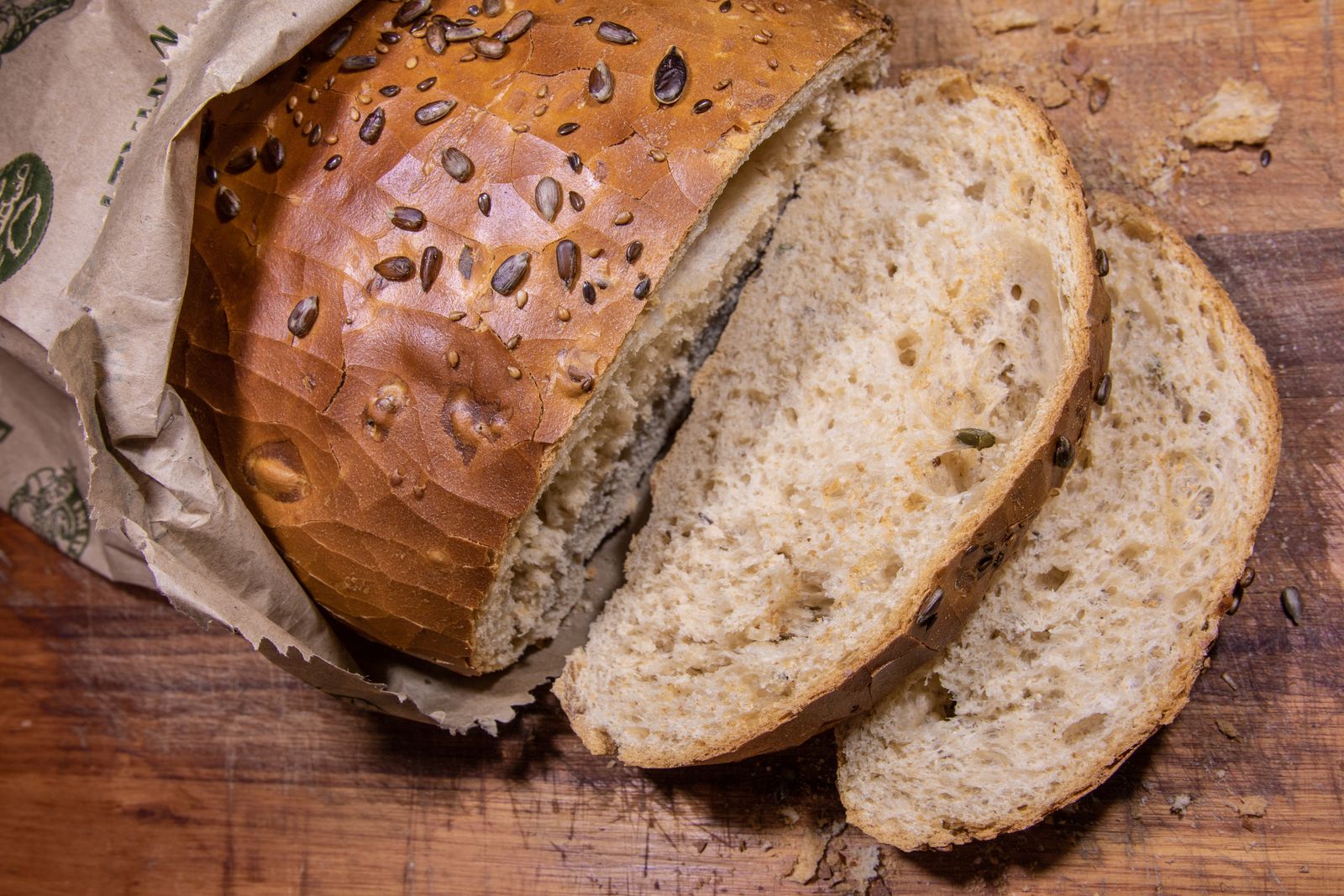
This ancient grains bread recipe blends spelt, einkorn, and rye into one hearty, nutty loaf, the kind of bread that tastes like it has a history, because it does. Ancient grains bread is simply bread made wholly or partly from heritage grains that have stayed largely unchanged for thousands of years, and a blend of three gives you more depth than any single grain can. This is a yeasted loaf, not a sourdough, so it is friendly to a first-time baker while still delivering that deep, wholesome flavor. It does contain gluten (spelt, einkorn, and rye are all wheat-family grains), so it is not a gluten-free bread, mind you. If you want the wider picture before you bake, our ancient grain bread guide covers the why behind every choice here.
Quick answer: This ancient grains bread recipe blends spelt, einkorn, and rye into one hearty, nutty yeasted loaf. A reliable starting blend is 60% spelt for structure, 25% einkorn for golden flavour, and 15% rye for tang, at about 70% hydration. Knead gently, watch the fast rise, and cool the loaf fully before slicing so it does not read as gummy. It contains gluten from all three wheat-family grains, so it is not gluten-free.
What grains go into ancient grains bread?
Spelt for structure and a mellow, sweet backbone, einkorn for flavor and color, and rye for tang and moisture. The blend is where the magic happens, and each of the three earns its share.
- Spelt for structure and a mellow, sweet backbone. It behaves closest to modern wheat, so it holds the loaf together.
- Einkorn for a golden color and rich, almost buttery flavor. Its gluten is delicate, so it stays a minority partner.
- Rye for tang and moisture. A little goes a long way, which is why it is the smallest share.
A reliable starting blend is 60 percent spelt flour, 25 percent einkorn flour, and 15 percent rye flour. You can lean the proportions toward whichever you have on hand, but keep spelt as the majority for a loaf that rises well.
The recipe
For one loaf, by weight:
- 300 g (2 1/2 cups) spelt flour
- 125 g (1 cup) einkorn flour
- 75 g (2/3 cup) rye flour
- 350 g (scant 1 1/2 cups) warm water (70% hydration)
- 7 g (2 1/4 tsp) instant yeast
- 9 g (1 1/2 tsp) fine salt
- 15 g (2 tsp) honey
- Butter or neutral oil, for greasing the tin (if using one)
- Mix. Whisk the flours, yeast, and salt in a large bowl. Add the water and honey and stir to a shaggy dough.
- Knead gently. Work it 6 to 8 minutes until it comes together and smooths out. Ancient grain doughs are softer and stickier than modern wheat, so resist adding much extra flour.
- First rise. Cover and let it rise 1 to 1.5 hours, until nearly doubled. Heritage grains ferment faster than you expect, so watch the dough, not the clock.
- Shape. Turn it out, shape it into a taut round or fit it into a greased 9x5 inch loaf tin.
- Second rise. Cover and prove 45 minutes, until puffy.
- Bake. Bake at 220 C (425 F) for 35 to 40 minutes, until deep brown and hollow-sounding when tapped.
Cool it completely on a rack before slicing. Heritage loaves always seem gummy when warm, and cutting too early is the surest way to think you failed when you did not.
Why is my ancient grains bread dense?
The most common worry, and almost always a fixable one. Ancient grains have weaker, more fragile gluten than modern bread wheat, so they trap less gas and rise less dramatically. That is the nature of the grain, not a mistake. To lift it as much as possible: keep spelt the majority of your blend, do not over-knead the einkorn, and do not let the loaf over-prove, which collapses the delicate structure. A slightly tighter crumb is the honest character of heritage bread, and it makes for wonderful toast.
Can you make this as a sourdough?
You can, and it is glorious. Swap the instant yeast for about 100 g of active starter, reduce the water slightly, and stretch the bulk ferment to 4 to 6 hours with a few stretch-and-folds. A lively starter matters here, which our best flour for a sourdough starter guide helps with. For a deeper rye-forward version, the whole grain rye bread recipe is a natural next bake.
What does ancient grains bread taste like?
Nuttier, sweeter, and more complex than a standard white loaf, with a faint earthiness from the rye and a golden richness from the einkorn. It is the bread that needs nothing but butter, though it also makes exceptional toast and a sturdy sandwich. The fuller flavor comes hand in hand with the fuller nutrition of whole grains, which refined white flour leaves behind. Detailed nutrition for these grains is available through USDA FoodData Central.
Where to go from here
Once you have this loaf in your hands, the single-grain breads are the natural next step. See our spelt bread and einkorn bread recipes to taste each grain on its own, and the rye flour guide for baking with the most characterful of the three. For a flourless heritage loaf built from sprouted whole grains instead, try the Ezekiel bread recipe. The spelt and einkorn wheat profiles round out everything that goes into this bread.
Frequently asked questions
Is ancient grains bread gluten-free?
No. This loaf is made from spelt, einkorn, and rye, which are all wheat-family grains that contain gluten, so it is not safe for anyone with celiac disease. If you need a gluten-free heritage option, our gluten-free grains guide points to the pseudocereals that work instead.
Can you make ancient grains bread with different grains?
Yes. The blend is flexible, so you can swap in emmer wheat, khorasan, or plain whole wheat, or lean the proportions toward whatever you have. Keep a strong-gluten grain like spelt or bread flour as the majority, though, or the loaf will struggle to rise and hold its shape.
How do you store ancient grains bread?
Keep it cut-side down on a board or in a paper bag at room temperature for two to three days; heritage loaves stale a little faster than commercial bread. For longer storage, slice it and freeze in a sealed bag for up to three months, then toast straight from frozen.
Bake with heritage grains
See our hand-picked spelt, einkorn, and rye flour, with the brands worth buying.
Shop spelt →